Key Highlights
- The salient features of the Indian constitution start with it being the world’s longest written constitution.
- The Indian constitution sets up a federal system. But, it gives strong power to the Union in special cases.
- India uses a parliamentary system. In this system, the executive must answer to the Lok Sabha.
- The Indian constitution gives people important rights. These rights can be protected by judicial review.
- The country has an integrated judiciary. The Supreme Court leads this, and it makes sure there is control over the constitution.
- Single citizenship is another key part. It helps bring people together from all states.
Table of Contents
Introduction
The Constitution of India is a strong sign of the country’s promise to democracy, justice, and the rights of every person. It is the longest written constitution. There is a blend of rigidity and flexibility in it. This lets the constitution of india change with time, but it still holds to its main values. It gives a full outline of how the government should work, what rights people have, and what duties the state needs to do. It is rooted in the law and ideas from several places. The written constitution is the main guide for how the country runs. It tells leaders how to act and helps protect the basic rights of all people.
Overview of the Indian Constitution’s Legacy
The Indian Constitution is known for strength and modern ideas. It is the longest written constitution in the world. It mixes both flexible and strict rules, to fit the needs of all its people. The indian constitution has a history of protecting basic rights and pushing for fairness among people, building the base for government in a country where everyone gets a say. A big part of this written constitution is the federal system. This lets power be shared by the central and state governments. It keeps the country together but still honors the different groups and cultures in India.
Historical Background and Framing Timeline
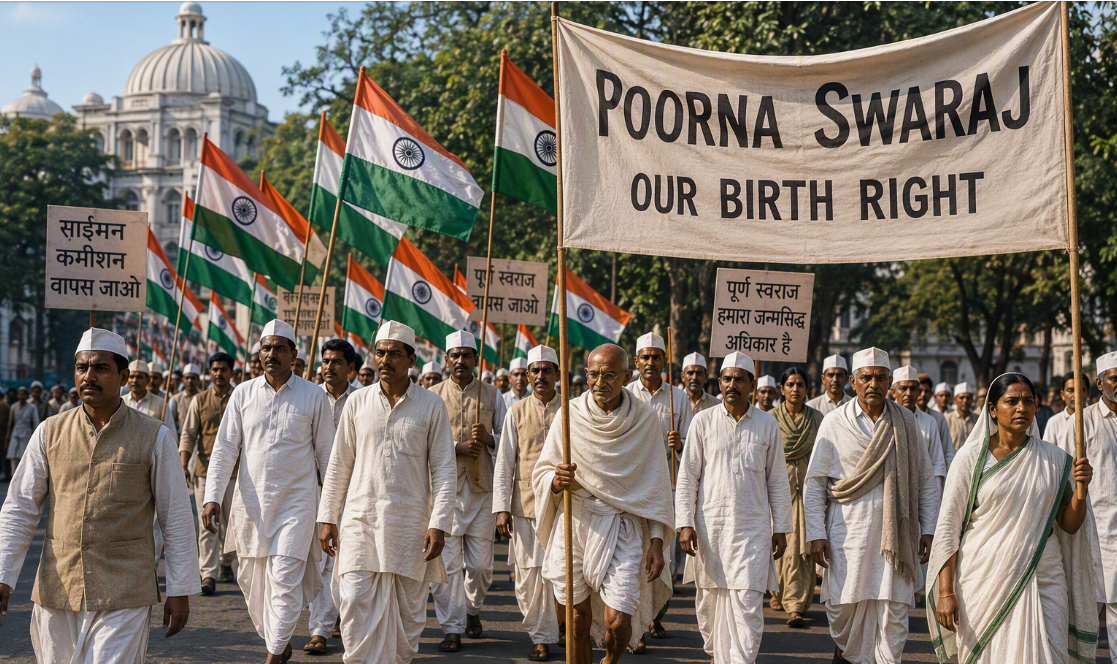
The story of how the constitution of india was written is closely linked to india’s fight to be free. In 1946, the constituent assembly was set up. This group had many top leaders who wanted to build a fair society. They spent almost three years talking about and changing every article. A lot of thought went into this work. The group looked at old records, like the government of india act from 1935, and also at british government ways. The final constitution used a parliamentary form and took ideas from different places. On January 26, 1950, the constitution of india was put into use. This made india a free and democratic country.
Structure and Composition of the Constitution
A detailed plan shapes the structure of the constitution of india. This document has 25 parts, 12 schedules, and 470 articles. It gives a clear outline for how the country should be run. The first parts talk about basic rights, and others talk about the directive principles of state policy. The constitution also has rules for independent bodies, which help keep checks and balances in place. It combines both federal and unitary systems, showing its special way of working. The constitution of india is not just long. It brings together the main ideas of Indian society with the ways government works.
Role of the Constituent Assembly
A big part of how the constitution of india came to be was because of the work done by the constituent assembly. This group was made up of elected people who worked hard from 1946 to 1950. They created a plan that now shapes how the nation is run. The members looked at how other countries did things but made sure the plan fit the needs of india. They showed both good ideas and real-world thinking, with a focus on making sure people have basic rights and that there is a welfare state. Because of their democratic work, the country now has a strong constitution that fits well with the many different people of india.
The Lengthiest Written Constitution in the World
The Constitution of India is the longest written constitution in the world. It shows how the country meets many needs and dreams. Its size is not just about the number of words. The document covers several rules that help lead the country and bring fairness for all.
Every article and rule has a clear job. This makes sure the system is strong and allows the democratic process to work. It also brings together basic rights, duties, and directive principles. These goals help build a welfare state where every person feels included.
In the end, this mix proves India wants to stay true to democratic ideas.
Reasons for Comprehensive Nature
A deep look at the Indian Constitution shows how detailed and wide-ranging it is. The Indian Constitution came from many different historical backgrounds and the changing needs of people in the country. It was created to solve many types of problems. These problems include the rights of each person, how the different states are run, and making sure there is a good setup for democracy.
Things like India’s many different cultures, the need for fair treatment for all, and wanting the country to move ahead with money and development helped shape the Indian Constitution. Because of this, the constitution has many rules to help guide leaders and protect people’s rights.
This focus on including all comes from the idea of a welfare state, where the government works for the good of everyone. By doing this, the Indian Constitution supports fair treatment and equal rights. It also keeps the country strong and united.
Provisions Spanning Central and State Governance
A clear division of powers between the central government and the state governments is key to the federal structure of India. The constitution of India sets rules that help both levels work well. The central government looks after big things like defense and dealing with other countries. At the same time, state governments handle local issues like law enforcement and healthcare. This two-level system helps people have a say in their own area. It also helps all the parts of the country work together, keeping unity and letting every place be different.
Comparison with Other World Constitutions
Many constitutions in the world are not the same. Some are short and basic, while others are long and cover many things. The Indian Constitution is known for being very detailed. It is not like the United States Constitution, which is short and sticks to main ideas. The Indian Constitution includes rules about running the country, people’s rights, and duties.
There is a blend of rigidity and flexibility in how the Indian Constitution works. It can be strict at times and more open at others. This is similar to the South African Constitution, which also puts a big focus on human rights. The Indian Constitution shows the country’s goal for democracy and the well-being of its people. It is made to fit India’s unique society and politics. And, it lets changes be made as time goes on.
The Indian Constitution stands out because it has many rules and can change if needed. This helps keep things good for the people and the nation.
Sources of the Indian Constitution
When making the Constitution of India, the country took ideas from around the world. One of the main influences was the British parliamentary system. The American constitution also shaped several parts, like the separation of powers and judicial review. The constitution of India added new ideas too. The Directive Principles of State Policy show how the country wants social welfare and justice for everyone. There was a mix of many good things to build a strong base for the nation. The constitution tries to be flexible so it can serve the needs of the people of India. Because of all this, the constitution of India shows what the people of India want and stands out with its own style.
Borrowed Features from Foreign Constitutions
Many parts of the Constitution of India take ideas from different countries’ constitutions. The American Constitution brought in the idea of judicial review. This lets the Supreme Court check if laws follow the constitution. The British way of running the government also helped shape India’s system. In India, there is the parliamentary system and the idea that the government is responsible to the people. The rule of single citizenship in India is like the UK’s. The Directive Principles of State Policy also come from the Irish Constitution and show some socialist ideas. All these parts work together to make a strong constitution of India. This mix helps the country deal with its own needs in a good way.
Unique Indian Innovations
The Indian Constitution stands out because it has many special features. These reflect the country’s social mix. For example, single citizenship makes sure that all Indians, no matter the state they live in, get equal rights and duties.
The directive principles of state policy guide the government. The main aim is to build a welfare state that offers social justice and better living for everyone.
Fundamental duties are also given much importance. They encourage each citizen to take part in running the country, which helps give people more responsibility.
All these together show that India values democracy, unity, and welcome for all in its constitutional system.
Major Sources and Their Contributions
Many important sources helped shape the Constitution of India. The British Constitution gave India the parliamentary system and the idea of a responsible government. The British model made it so people have some power in decisions and laws through parliament.
American ideas gave the Constitution of India some important rights for people and the practice of judicial review. These rules help protect the freedom of everyone in the country. Ireland’s laws brought in the Directive Principles of State Policy. These director principles help focus on making life better for all through social welfare. There was also help from French laws that added ideas of equality and liberty.
All these influences work together, creating a system that is just for everyone in India. Because the Constitution of India used these different models, it covers many topics and can change to fit new times. The mix shows that India is dedicated to democracy, being secular, and doing what is right for all people.
Blend of Rigidity and Flexibility
The Indian Constitution has a blend of rigidity and flexibility. This means it can change with the times, but still keeps a strong base. Some parts of the Constitution be changed easily. Other parts need a special procedure. This shows how important stability and change both are in India. For amendments about fundamental rights, the Constitution uses a special procedure. This protects citizens’ rights. Because of this mix, the Indian Constitution has a strong plan to keep law and order. It can also adjust to new democratic ideas and help with challenges in government.
Amendment Procedures Explained
Amendments to the Constitution of India follow three main ways. This shows its mix of firmness and room to change. Some changes need a simple vote in Parliament. Others need a special vote, where at least half the states must agree. This system makes sure many take part in changing the constitution. It also keeps important rules safe.
One key point is the basic structure doctrine from the Supreme Court. This rule protects the Constitution from changes that could hurt democracy or affect people’s rights. This careful setup helps the Constitution of India stay useful over time, as the country and its people keep changing.
Examples of Flexible and Rigid Elements
The Indian Constitution is different because it can change but also stays strong in some ways. For example, changing the fundamental rights in Part III is not easy. It needs a special majority in Parliament, so these rights are safe and do not get removed fast. On the other hand, some parts, like the Directive Principles of State Policy, can be changed more easily. They are made to grow and match what society needs at different times.
This mix of being strong and also able to change helps the indian constitution fit the lives of all people in India and keeps things steady. It lets the country move forward and change when needed but also stays true to important ideas and values of democracy. The way directive principles and state policy work inside the Indian Constitution is good for both growth and holding on to what matters most.
Why This Blend Is Important for India
India’s constitution mixes being firm with being open to change. This helps it keep main ideas safe but also lets it change as time goes on. The important parts do not get lost when those in power come and go. At the same time, lawmakers get the chance to help with problems in society as things change. They do this and still keep the rule of law, welfare state, and other values which matter for us.
This way of changing lets all people feel included. The mix of being strong and flexible helps connect the country’s wishes with the rules that make everyone’s life better. Updates can happen if needed, and the parts that must not change stay safe. India’s constitution works well to keep everyone’s rights, to make sure the laws protect all people, and to help the country be a welfare state for us all.
Federal System with Unitary Bias
The Indian federal system is different because it mixes local control with a unitary bias. In this system, the states can have their own powers, but the central government also keeps a lot of control. This is seen most during emergency times. There is a clear division of powers between the central government and the state governments. This helps both to work well.
At the same time, certain rules like emergency powers give the central government more say. These special powers show the unitary bias in the system. The balance between state governments and the central government is very important. It helps keep unity and order in India. This also supports the guiding ideas found in the Constitution.
What Makes the Indian System Federal
The Indian federal system has a clear divide of powers. The central government handles some matters, and state governments handle others. This setup helps both levels do their own work without interference. It keeps balance and lets each region feel heard.
India has single citizenship, so all people feel united. A written constitution sets rules for how the central government and state governments work together. The federal structure uses a parliamentary system. This lets the government work with others and follow the rule of law. It also helps keep democracy strong.
Unitary Aspects During Emergencies
Emergency times can show the stronger side of India’s federal structure. They let the central government take key steps. When there is a big crisis, the central government can make moves that give it more power for a short time. It can go over what the states can do. This helps India deal with big threats in a simple way. Rules such as the National Emergency in Article 352 give power to the central government and help it keep things safe and steady. Even though this change looks like it moves away from the usual federal structure, it shows why there must be a joined effort in tough times. It keeps the country safe and strong.
Division of Powers Between Centre and States
There is a clear division of powers between the central government and the state governments in India. This helps the federal system work well, letting both levels of government do their jobs. The Constitution shows this division by putting subjects into three lists: Union, State, and Concurrent. The central government handles issues that matter to the whole country. The state governments take care of local things. This setup lets states be independent but also helps keep the nation united. When both sides work together well, they keep peace and balance the needs of all people in the union of states.
Parliamentary Form of Government
One thing that makes India’s form of government different is its parliamentary form of government. The country uses this system to help with accountability and to make sure people are represented. Because of this, both the Lok Sabha and Rajya Sabha can use their law-making powers while the executive, led by the Prime Minister, has to answer to Parliament. The integration of legislative and executive groups is a good example of the doctrine of separation of powers. This approach helps everyone work together in the Indian state. Such a structure builds political democracy. It promotes inclusivity and accountability in India, which helps people see how the parliamentary form of government is built on strong constitutional ideas like the separation of powers.
Key Features of Indian Parliamentarism
In the Indian parliamentary system, the executive and the legislature work closely with each other. This setup helps make sure that the government answers to the people. The Prime Minister leads the government with the help of the council of ministers. Together, they plan and manage how the country works. The Lok Sabha stands for the voters and speaks for them. The group with the most seats in the Lok Sabha forms the government.
All the ministers must stand together on decisions, which keeps the group strong and united. This system is based on the ideas of political democracy and always respects the supremacy of the Constitution. With this kind of governance, the country can be more in touch with what people want and need.
Role and Powers of Executive and Legislature
In India, the parliamentary system connects the executive and legislature to run the country. The executive group, with the Prime Minister and the Council of Ministers, puts laws and plans into action. The legislature has the Lok Sabha and the Rajya Sabha. They make laws. These two sides watch each other to keep balance and fairness.
The Prime Minister is a strong leader and makes many big choices in Parliament. Both sides help to keep checks on each other. They want everyone to be responsible and make sure every citizen has a voice. India follows the idea of political democracy. The supremacy of the constitution protects the rights and good of the people.
Prime Minister and Council of Ministers Provisions
The Prime Minister and the Council of Ministers are a key part of the parliamentary system. They help run the government of India. The Prime Minister is chosen by the President. He leads the executive branch. A group of ministers work with him. Each minister takes care of one department. Together, they make sure all rules and policies match what people need. The Council makes its choices with the help of Parliament. This shows that there is clear responsibility and honesty in the system. These things keep the rule of law strong. They are very important to India’s democracy.
Synthesis of Parliamentary Sovereignty and Judicial Supremacy
Parliamentary power and the control of the supreme court both work in the setup of the constitution of india. This builds a balance of law makers’ duty and the court’s watch. Parliament writes laws that show what people want. The supreme court checks that these laws fit with the constitution. This balance is important to keep the rule of law strong and keep each person safe. A judicial review stops lawmakers from going too far. It makes sure the state does not take away anyone’s main rights. The work of these ideas helps india stand by its promise to be a fair place and to care for all its people.
Legislative Powers and Limitations
In the Indian parliamentary system, both Lok Sabha and Rajya Sabha can make laws for the country. But these powers are not unlimited. The laws they make must not go against the fundamental rights set in the Constitution. They also have to follow the directive principles. The President can refuse to approve some bills, which acts as a check on what the parliament does. This setup helps keep a balance between the center and the states. It makes sure that the work done by the lawmakers fits in with the values of democracy and the rules of the Constitution.
The Role of Judicial Review
Judicial review is an important part of the Indian Constitution. It makes sure the laws and rules fit what the constitution says. The supreme court and high courts check if actions by lawmakers follow the constitutional rules. This helps protect the basic rights and keeps the rule of law strong.
These courts act as the keepers of the Indian Constitution. They have the power to stop any law that goes against what Part III of the constitution says. This keeps people safe from unfair actions by those in power.
Judicial review keeps the balance inside the parliamentary system. It is a sign that democracy is working in India.
Significance in Indian Democratic Framework
The Constitution is very important in the Indian democratic system. It looks after people’s basic rights and makes sure everyone follows the rule of law. This helps to make a strong political democracy where people feel they have power. The ideas of separation of powers and judicial review bring out a way to check and control power, so no one can take too much control.
These values help make the country a welfare state where what people have to say does matter a lot. The Constitution supports unity even if there is so much diversity in India. By keeping to these democratic ideas, India can be stable and make progress for everyone.
Separation of Powers and Checks & Balances
In the constitution, the doctrine of separation of powers is very important. It sets clear lines between what the legislature, the executive, and the judiciary do. Each one works on its own, so no one group gets too much power. This helps keep the democracy strong. Checks and balances make these lines even clearer. Things like legislative oversight, actions by the executive, and reviews by the judiciary stop anyone from using power the wrong way. This setup makes the government answer to the people and helps protect everyone’s rights. By doing this, the rule of law stays safe, and the government is expected to listen to its citizens.
Distinction Between Legislature, Executive, and Judiciary
Knowing the difference between the three branches of government helps you understand how the Constitution of India works. The legislature includes the Lok Sabha and the Rajya Sabha. It makes the laws for the country. The executive is led by the Prime Minister and a group of ministers. They put the laws into practice and run the daily work of the government. The judiciary is made up of the Supreme Court and the High Courts. Courts read and decide what the laws mean. They also use judicial review to check if laws follow the rules of the Constitution of India. This split in power helps keep people’s rights safe. It also stops any one group from taking too much power. This makes the government more fair, open, and answerable to the people.
Mechanisms Preventing Abuse of Power
The Indian Constitution uses different ways to stop the misuse of power. It keeps things steady between the branches of the government. The doctrine of separation of powers fixes what the legislature, executive, and judiciary do. This helps them be honest about their work.
The independent judiciary acts as the guardian of the Constitution. It can use judicial review to keep the other branches in line when needed. This teamwork brings transparency. It protects people’s rights and keeps the rule of law strong in India’s democracy.
Balance Through Constitutional Provisions
A balanced government in India comes from the way the constitution of India sets up the system. The constitution makes sure there is a clear separation of powers between the executive, the legislature, and the judiciary. This stops any one part of the government from having all the control. Each branch can keep a check on the others, so no one gets too much power.
The country also has an integrated judicial system. This system has high courts and the supreme court, which both help keep things fair. These courts make sure the rule of law is strong and people’s rights are safe. All these steps help India have a good political democracy. They keep the country working well as a federal system and help protect all the citizens.
Fundamental Rights in the Indian Constitution
Fundamental rights in the Indian Constitution are basic personal rights that every citizen should have. These are listed in Part III of the Constitution. They help stop unfair treatment and make sure everyone is equal in front of the law. These rights do not just stay on paper. The people have the freedom to speak up for themselves because of them. These rights also make sure the government listens and answers to the people.
From the right to equality to freedom of religion, these rights are at the core of a strong democracy. If you are preparing for UPSC, you need to know about the indian constitution and the rule of law. These rights, shown in Part III of the Constitution, help shape the way our country works and keep justice for all.
List and Scope of Fundamental Rights
Fundamental rights in the Indian Constitution are found in Part III. These rights help to protect people’s freedom and support fairness. They include the right to equality, freedom to speak and say what you think, and the right to not be treated unfairly. The Indian Constitution makes sure these rights cover all citizens, so everyone can feel safe under the law, no matter where they come from. The rights are strong because people can go to court to make sure they are followed. This system helps everyone feel respected as a person, and it shows the democratic way India works. These rights are an important part of how the Indian Constitution is set up.
Enforcement and Protection of Rights
Enforcing rights under the Indian Constitution is very important to keep people free and make sure of fairness in society. If someone feels their rights from Part III are violated, they can go to the Supreme Court or High Courts for help. The courts, through judicial review, help keep people’s basic rights safe and support the rule of law. The laws also push people to know about their rights and speak up, so together we can hold the government responsible. This way, not only are the citizens protected, but it also helps the country build a strong respect for rights and freedoms. This is basic for any democratic society.
Importance for Citizens and UPSC Aspirants
It is important for every person to know the salient features of the Indian Constitution. This is because the Constitution is the base of democracy and the way our country is run. For UPSC candidates, learning about the indian constitution and its salient features is key. When you understand things like directive principles and the parliamentary form of government, you get a better feel of how the political system works. This helps you read questions and solve problems in exams with more confidence. If you know well what the Constitution is about, you will be more aware and you can take part in democracy in a good way. A good understanding of these topics – like fundamental rights, directive principles, and the parliamentary form of government – makes you a stronger citizen and helps you in your studies.
Directive Principles of State Policy (DPSPs)
Directive Principles of State Policy (DPSPs) are an important part of the constitution of India. These guidelines help the government make rules that bring social and economic fairness for all. The goal is to help people and make sure every area grows in a fair way. Unlike Fundamental Rights in Part III, the directive principles are not laws that you can go to court over. But, they work along with basic rights. They push the leaders of the Indian state to pass fair and good laws. This mix of directive principles and rights gives the country a better way to rule, letting all people feel included.
Meaning and Philosophical Background
The Directive Principles of State Policy are ideas that guide the government to create a better life for the people. These directive principles show the values of social justice and caring for everyone’s needs. The main goal is to help the country become more fair and good for all. The thoughts behind these state policy rules came from leaders like Gandhi and Nehru, who wanted India to be just and equal.
These directive principles are different from Fundamental Rights because you cannot go to court to make the government follow them. But they still matter a lot. The directive principles of state policy help the leaders decide on laws and plans that look after things like health, learning, and fairness in money matters. This way, the government can work to build a welfare state. A welfare state helps every person live a better life and feel supported.
Types of Directive Principles
Directive Principles of State Policy (DPSPs) are put into three main groups. These are social, economic, and political types. Social directive principles focus on making life better for everyone by giving each person the right to things like education and health care. Economic state policy makes sure that resources are shared in a fair way. This also helps people who are poor, trying to make the welfare state better for all. Political directive principles want everyone to take part in the government. This includes the idea of universal adult franchise, where each person can vote and play a part. All together, these directive principles help guide the government. They push it to do more to make the country fairer and better for everyone.
Relationship With Fundamental Rights
Directive Principles of State Policy (DPSPs) and Fundamental Rights work together in the Constitution of India. This makes sure there is a balance in how the country is run. Fundamental Rights, written in Part III, help keep the freedoms and rights for each person safe. On the other hand, directive principles want to make life better for all people by improving things like social and economic living.
This mix helps the state take care of people’s rights while also helping the country work towards justice and equality. In the end, this strong link between the two shows how much India cares about running as a fair and equal place. The Constitution of India puts focus on both the needs of single people and the bigger goals for society through these directive principles and state policy rules.
Fundamental Duties Enshrined for Citizens
Fundamental duties are a key part of the constitution of India. These duties remind people about what they should do for the country. They are written in Part IV-A. People should help keep India strong, safe, and united. All citizens need to work together and help create a fair way of life. They should think about their own rights but also care about others. These duties help build the rule of law and keep democracy healthy. When people follow them, they take part in making the country better for everyone.
Overview of Fundamental Duties
Fundamental duties are written in Part IVA of the Constitution of India. These duties remind people in the country about what they should do for their nation. The 42nd Amendment added these duties in 1976. The duties ask everyone to follow good values and show respect for the Constitution of India. They also want people to be kind and work well with each other.
Taking part in the democratic process is important. These duties help people to do more than just ask for their rights. They also help them to do things for other people in the country. When we follow these duties, we feel more united and help keep India a strong and secular state. In the end, these duties help us work together for a welfare state where everyone’s needs are met.
Significance in the Civics Framework
Fundamental duties are very important in building up the civics framework of India. They help people feel responsible for their actions, and push them to take part in the democratic process. These duties remind every citizen that they need to respect the values written in the Constitution, like rule of law and personal freedom. This way of thinking brings people together, helps everyone feel one as a group, and helps make a better and smarter society. Also, knowing about fundamental duties is key for those who want to clear UPSC exams. They show that you have what it takes to play your part in the country’s governance and daily civic life.
Comparison With Other Constitutions’ Duties
In many places, the rules in the constitution tell people what rights they have. The Indian Constitution is different because it also lists fundamental duties, and most other countries do not do this. The American Constitution focuses more on giving people their own liberties. The Indian Constitution wants to balance rights and responsibilities together. The German Constitution asks citizens to help make things better for everyone. These differences show us several ways countries think about civic engagement. India’s idea of fundamental duties helps people feel that they share in the responsibility of looking after each other. Knowing about these differences helps us understand why the Indian Constitution is special.
Secularism as a Salient Feature
Secularism is an important idea in the constitution of india. It makes sure that the state does not favor one faith over any other. The state stays neutral about all religions and keeps things fair for everyone. In a secular state like this, there is no official religion. People are free to practice their own faith and nobody can stop them from doing so. This is called freedom of conscience.
The constitution of india has articles that talk about these ideas. The writers made these rules to make sure every person gets the same rights. This helps many groups live together in peace. A secular state protects personal freedoms and supports political democracy. This stands for unity in diversity, which is the heart of what makes the country special.
Constitutional Provisions Ensuring Secularism
Secularism is part of the Constitution of India. It gives people the freedom of religion and treats all faiths the same. Article 25 lets people practice their religion freely. Article 14 protects the right to equality. It stops any discrimination because of religion. The state does not choose sides. It helps make a place where people with different beliefs can live together peacefully.
The Directive Principles of State Policy call for giving educational rights to everyone, no matter their religion. This shows the promise to keep the country as a secular state. All these rules work together to build a system that shows India’s pluralism. It protects the rights of all citizens.
Major Sections and Articles Related to Secularism
Several important parts and articles in the constitution of india help to keep the country as a secular state. This means the state treats all religions in the same way. Article 25 says that every person has the right to practice, have, and share their own faith. Article 26 gives different religious groups the right to handle their own matters. There is also Article 15, which says you cannot treat someone differently because of their religion. This helps everyone feel part of the community. These rules show that india is serious about being a secular state, where freedom of conscience is very important. Because of these articles, no particular religion gets more power than others. This helps india stay open, fair, and full of many kinds of people.
Practical Application of Secular Ideals
In India, secular ideas show up in the way rules support fairness and respect for many beliefs. People have freedom of religion. This means anyone can practice their faith without the state stepping in. The Constitution says that the government should not favor any particular religion. Different groups celebrate several religious festivals. This shows how there is a mix of beliefs. Schools also try to be open to everyone and give a place for all students, no matter where they come from. These things help bring us together and give the country a rich and lively culture.
Independent Bodies Established by the Constitution
Independent bodies that the Constitution set up have a big job in keeping democracy strong in India and making sure people have their rights. The Election Commission helps by making sure elections are free and fair. This shows how these bodies work on their own, not just following the government. The UPSC and CAG also have key roles in how things run and keeping an eye on money, which helps keep the government in check. The judiciary—like the supreme court and high courts—is a guardian of the rules, watching over the Constitution and making sure the rule of law and basic rights are protected. All these independent bodies work together. They help make the system more open and strong in India.
Election Commission and Its Autonomy
The Election Commission is a key part of India’s democracy. It works on its own and is not under anyone’s control. This helps to make sure all elections are open and fair. The group has a Chief Election Commissioner and some other members. They take care of running each election and see that the rules are followed, like the Model Code of Conduct.
Because the Election Commission is free from outside control, it helps protect the process from political influence. This is important, as people in the country need to feel they can trust the way ballots and voting are handled. When the commission works on its own, it helps keep the process honest and protects the values of democracy. It makes sure that everyone can use their rights every year, each time there is a vote.
Unique Bodies Like UPSC, CAG, and Judiciary
Different independent bodies have a big part to play in making sure the Constitution of India is followed. The UPSC takes care of picking people for civil services jobs. It works to make sure that the best people are chosen and there is fairness in government roles. The Comptroller and Auditor General (CAG) watches how the government spends money. The CAG checks the accounts and helps keep things honest in how the government uses its money.
The judiciary includes the Supreme Court and High Courts. These courts read the rules and laws and make sure people get justice. They also work to protect everyone’s basic rights under the Constitution of India. All these independent bodies work together to keep the government clear in what it does and quick to answer people’s needs. This is very important for any good democracy to work well.
Safeguards for Independence
The Constitution of India puts several checks in place to keep important groups safe from outside control. A big part of this is job security for people in the high courts. This stops judges from being pushed or influenced in the wrong way. Both the apex court and high courts have the power of judicial review. This lets them decide if something that happens follows the rules set in the constitution of India.
There are also rules in the constitution that keep independent bodies, such as the Election Commission and the UPSC, away from too much government control. This makes sure these groups can do their work without interference. Because of this system, the rule of law stays strong. It helps keep the Indian state a good place for democracy and fairness.
Conclusion
To really know the Indian Constitution is to see how much it shapes the country. This document is not only the top law. It shows that India stands for democracy, equality, and doing what is right for people. A blend of rigidity and change lets the Constitution keep its main ideas but also shift with time. When you see why fundamental rights and directive principles matter, you can understand how India tries to balance what people need and what the state must do. If you are getting ready for UPSC, knowing the salient features of the Indian Constitution will help you to do well and play your part in India’s democracy.
Why is the Indian Constitution described as the “lengthiest written constitution”?
The Indian Constitution is often called the “lengthiest written constitution.” This is because it has a lot of details. It talks about many rules about how the country should run. It also covers the rights and responsibilities of the people. The indian constitution is written in this way to meet the different needs of the people in India. It helps to make sure there is a strong set of laws for the country.
How does the Indian Constitution balance federal and unitary features?
The Indian Constitution has a special way to keep things balanced between the center and the states. States get some freedom to run their own things. But, when there is an emergency, most of the power can go to the center. This set-up gives the country stable rules. The center takes charge when the time comes. It helps the government deal with the different needs of people in each part of the country, but still keeps everyone under the same system.
What are the main criticisms of the Indian Constitution?
Some people say that the Indian Constitution is too long and hard to understand. This can make parts of it unclear or open to different meanings. There are also worries about power being centered at the top. The slow legal process means justice often takes a lot of time. Many feel that minority rights do not have enough protection. These are common issues people talk about when they look at how well the indian constitution works and if it can change with time.