Key Highlights
- Welfare schemes give quick social protection to people in vulnerable groups.
- Development goals help with economic growth, making jobs, building infrastructure, and working on stronger institutions.
- India must give both relief right away and also focus on long-term human capital formation.
- Social justice gets better when welfare supports education, health care, and skills for people.
- Electoral populism can put stress on public finances if spending does not help with productivity.
- The best path is to connect welfare schemes with development goals so progress is balanced and fair for all.
Table of Contents
Introduction
India’s policy debate often asks a basic question. Should the state focus more on welfare schemes or on long-term development goals? In reality, the country needs both. Welfare schemes help with social protection. This happens through food support, pensions, subsidies, and cash transfers. On the other hand, development goals help build economic capacity. They do this by working on new infrastructure, education, health care, and employment generation. For UPSC, this topic is important. Good governance does not mean you choose only one side. It is about knowing how relief, opportunity, and strong institutions can all work together.
Distinguishing Welfare and Development in Indian Governance
Welfare systems are here to give quick help. They help vulnerable populations in many ways. With social welfare, people get food aid, pensions, cheaper services, and cash payments. The main goal is to make sure everyone gets basic needs. These social welfare policies want to give people some safety and cover the simple things they need.
Development goals do more than boost income. They look at economic growth, how productive people are, how good roads and buildings are, education, and how strong groups are inside a place. Amartya Sen’s capability approach says real development is about more freedom and what people can do with their lives. For UPSC mains, it helps show the key difference so you can give better answers. In the next two sections, both ideas will be made clear.
Defining Welfare Measures and Their Scope
Welfare measures are steps the government takes to give quick help and share resources. In India, social welfare works to make life better for vulnerable groups, and helps meet their basic needs. That is why social protection is so important for the government and for democratic politics.
You can spot welfare schemes by looking for their direct and easy-to-see benefits. These often have signs like:
- Food security is given by the public distribution system and nutrition support.
- Poor households get free electricity or help with paying for power and other services.
- Cash transfers and financial assistance go straight to the people who need them.
- There are public services like pensions, health care support, and other welfare benefits.
Welfare is not just about giving out help. The idea of a welfare state has a place in the Constitution through the Directive Principles. When you prepare for the civil services, keep in mind that welfare helps with the needs people have right now. On the other hand, development is about building up what people can do in the future.
Understanding Development-Oriented Policies
Development-oriented policies look at changes that last for a long time. These are not just about growing GDP. In Indian governance, development is about making systems stronger, so people can work better, have more chances, and build up their institutional capacity as time goes on.
You can see this way in rules that help:
- The country can get economic growth when industries grow and when people and businesses become more competitive.
- Productivity enhancement is possible when we use better technology and improve how things are run.
- There will be employment generation in manufacturing, services, and when the government puts money into different projects.
- Infrastructure expansion includes highways, railways, digital networks, and public goods.
Another important part is human capital formation. Good education, better health care, and more skills help people earn more. They also give people a better chance to move up in life. Right now in India, people often talk about welfare versus development like you have to pick one. But that is not true. Government groups now try to connect social welfare to how productive people are. This way, support and help today can lead to better development in the future.
The Evolution from Welfare to Agency in Social Policy
India’s welfare systems started with relief, protection, and giving out resources. This was needed because there was a lot of poverty, not enough food, and big differences across regions. Over time, the thinking about policy changed. It grew to more than just giving support to people.
Now, more people are talking about agency, empowerment, and the capability approach. This shows that people are not just looked at as people who get help. They are now seen as those who take part in development. Social justice gets stronger when welfare programs help with capacity building. To really get this change, look at the history first. After that, see how agency-centered policy started to grow.
Historical Phases of Welfare in India
India’s welfare journey shows the idea of a welfare state. This is built on values found in the constitution. In the beginning, the state focused on public services and social welfare programs. The goal was to help people be safe from hunger, feel less insecure, and not feel left out. As time went on, government programs and social welfare programs grew. They now cover more areas and help certain groups in the country.
An easy way to see how this changes over time is by using the table below:
| Phase | Main focus |
|---|---|
| Early welfare approach | Relief, redistribution, basic public services, food support |
| Expansion phase | Social welfare programs, pensions, health support, wider state reach |
| Delivery reform phase | Public distribution system improvement, DBT, Aadhaar-linked transfers, reduced leakages |
| Current direction | Welfare plus empowerment, human capability, and development linkages |
This change shows how government agencies have shifted the way they make policies. Before, the main goal was to make sure people had access. Now, there is focus on being quick, open, and making choices that last a long time. That change is why many now pay more attention to what each agency does.
The Rising Focus on Agency and Empowerment
Agency is your power to make choices and change what happens. In social policy, this shift means people are not seen only as receivers who just wait for help. The new goal is to build up human capabilities. This way, people can take part in growth instead of only trying to get by during tough times.
This change can be seen in what is important for rules, such as:
- Capacity building should be done, not just one-time relief.
- There needs to be skill development that can help people get a job and have a better income.
- Women must have more power by being more involved and taking the lead.
- The design should focus on giving people the power to act. This links support with new chances.
The impact is big. When the well-being of women gets better because of development led by women, the rules in society start to give more value to their voice, work, and power to decide. After that, the government soon starts to make plans that bring together social justice and give women a stronger role in earning money. In words often used in UPSC, this is when the focus changes from just giving relief to building a type of rule that helps women feel strong and free.
Integration of Welfare and Development Goals for Holistic Growth
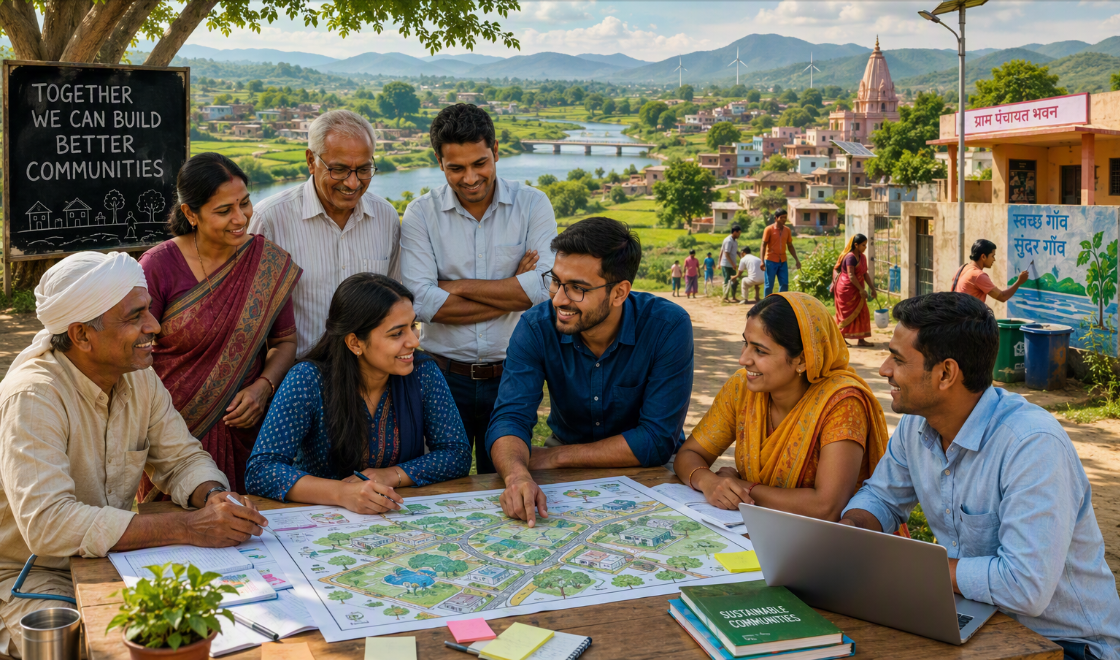
The best way to plan policy is to join welfare schemes and development goals together. You do not need to keep them apart. When people get quick help, it can keep poor families steady. If you add in long-term plans, it helps them work better and deal with hard times. This is the path that can make inclusive growth work for everyone.
Think of welfare like a starting point, not the finish line. Food support helps kids stay in school. Health care help can keep money safely coming in. Support that connects to skills can make jobs better. When welfare helps push for sustainable development, the state can move away from just short-term fixes and go toward strong and lasting social and economic growth. The sections below will show how this works.
Strategies for Converging Welfare Schemes with Development Initiatives
Convergence is about making welfare benefits help people build for the future. This idea is a key part of the “security plus productivity” model. A good public policy gives support so people feel less stress. It also helps them grow and move forward.
Useful strategies include:
- Connecting what people eat, their school life, and the care that they get to help them build their skills and fitness
- Putting money together with learning new things and making jobs for people
- Getting help from digital tools for public services to make them clear and quick
- Making welfare systems work well with bigger plans in education, transport, and health
This way of thinking changes how government groups make rules. They stop seeing welfare as just people using help. Now, they start to see some types of spending as things that will help in the future. When giving help leads to better learning, health, and the ability to work, it is not only about giving help anymore. The line between welfare and development is now more useful and much less about fighting over ideas.
Case Studies: Welfare Leading to Sustainable Development Outcomes
India shows how welfare programs can help with sustainable development. The best results come when the support helps families feel secure. This then leads to better schools, health, and the way things are run. This is not the same as welfare populism, which is only about short-term political gains.
Examples include:
- Food support helps families keep children in school and eat well. This boosts human capital and helps with human capital formation.
- Cash transfers using DBT cut leaks and make the delivery better.
- Aadhaar-linked systems make sure welfare is given in a way that is fair and focused.
- Investing in health care and education helps everyone. These public goods also give good results for the economy over time.
These examples show a main idea: welfare can help with sustainable development if it focuses on building skills, not just spending. If the help is there only to win voter approval right now, the country does not see much growth in the long run. But if the support helps people be strong and gives them chances, the results are much better.
Challenges in Balancing Welfare and Development for UPSC Mains
The biggest challenge is to keep things in balance. India has to give welfare programs, as there is poverty, many still work in informal jobs, and there is a lot of inequality. All these things touch millions of people. But public finances are not strong, and economic capacity is just not enough to take care of endless promises.
Another thing to watch for is electoral populism. Quick wins often get more support from people than changes that take years to help. This can make it hard to keep strong fiscal discipline. It may also leave less room for capital investment. For UPSC mains, you need to show both sides. Point out why social protection is important. At the same time, explain the risk of harm to long-term development if spending is not planned well.
Navigating Electoral Populism versus Long-Term Development
Welfare populism looks good to people because the benefits show up fast. A new road, factory, or school change can take years before we see what it does for us. But things like free electricity or cash help can change how people vote right away. That is why political actors often go for steps that help them get quick electoral gains.
The risks start to get worse when this pattern grows bigger:
- Public debt can go up when the government spends more money than it gets.
- Fiscal discipline starts to fall when there is more revenue spending.
- Money for important investment in roads, railways, research, and health may go down.
- The political talk moves from how to run things well to just giving out money right away.
Recent debates in India are not about saying no to welfare. Instead, they ask if the country’s policy helps people grow skills and power, or if it is just about giving what people need right now. For UPSC, you have to show that the real problem is the way welfare is set up and if it can last for a long time. It is not just about saying all welfare spending is bad.
Core Issues and Debate Points for UPSC Civil Services Exam
For UPSC mains, you need to be very clear with your ideas. Knowing the difference between welfare initiatives and development will help you write a better answer. Welfare is for solving problems people face now. It is about giving social justice to people who need it. Development is for a bigger change in society. Development helps bring structural transformation. It happens by better work, new chances, and building strong groups for people.
Important debate points include:
- There is a question about if support should go to everyone or just to those who need it most.
- Some people feel schemes set to the poverty line may not help people build enough skills.
- Amartya Sen’s capability approach says that welfare links with freedom and dignity.
- There is a worry that too much redistribution can lower the money for big changes in the future.
A good answer should not be too one-sided. You should say that welfare is both allowed by the law and needed by society. At the same time, it has to help people build skills and improve the economy. This way of thinking is the best for India right now and shows that you know a lot about policy.
Conclusion
To sum up, you need to know about the move from welfare to agency when you prepare for the UPSC exam. This helps you if you want to be a civil servant. If you get how welfare steps and development plans work together, you can better see how things work in Indian government. This full picture makes your thinking stronger and helps you face tough subjects in your exams. As you go through your UPSC journey, use these ideas to shape your way of studying. If you feel you need more help, feel free to ask for support. Use what you know here, and let it help you on your road to doing well in public service.