Key Highlights
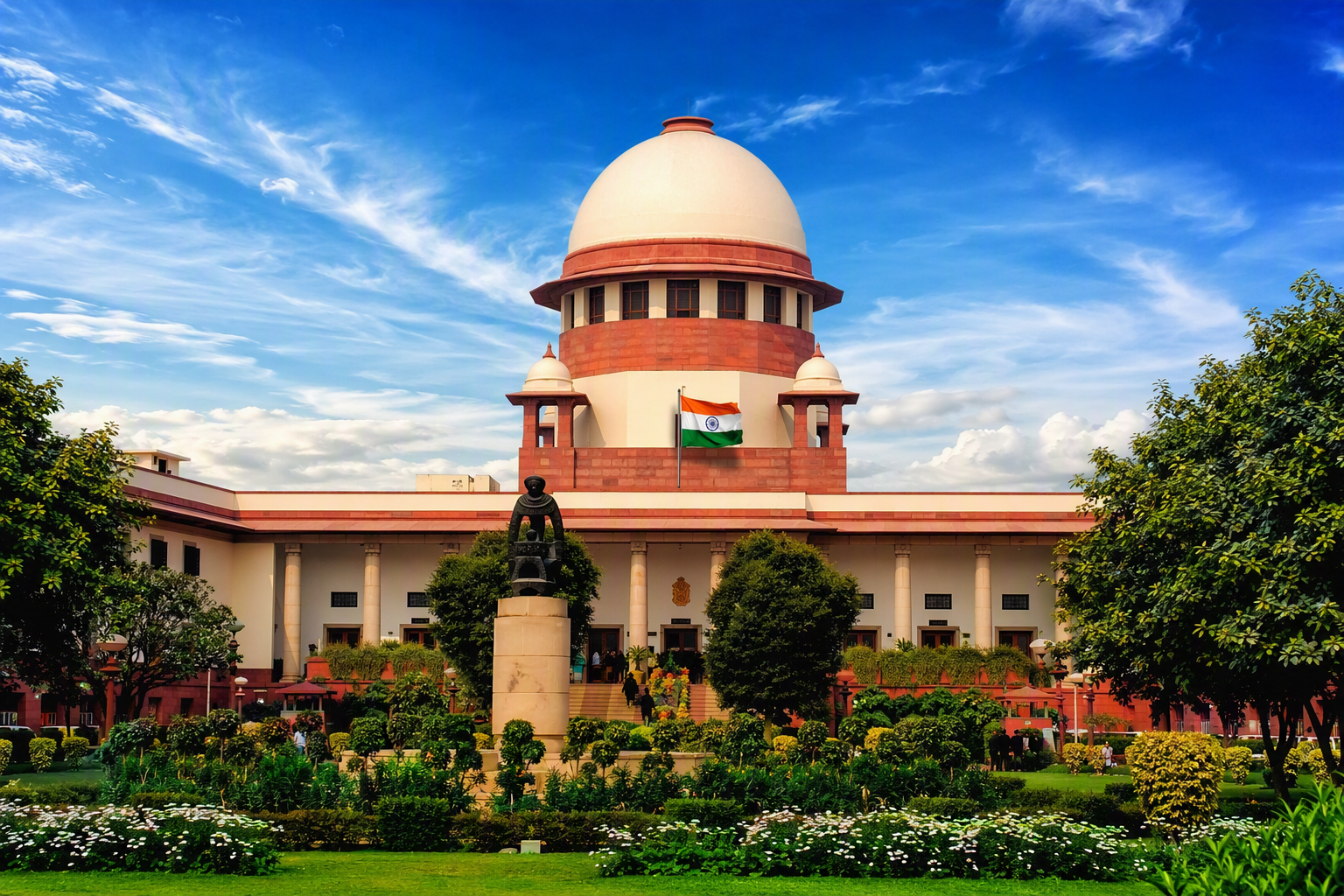
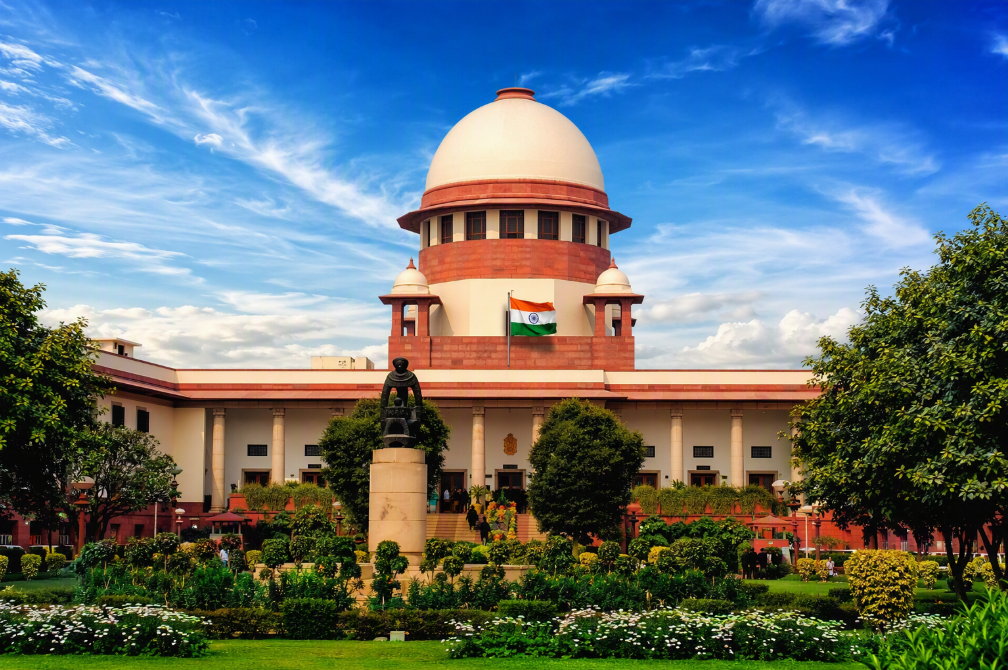
- The supreme court is the highest court in India’s judicial system. It is also the final court of appeal.
- The supreme court of India protects fundamental rights of people. It makes sure that the rule of law is strong in a democracy.
- It has the power of judicial review. This means the supreme court can test government laws and actions to see if they go against the constitution of India.
- The basic structure doctrine does not let anyone make changes that would hurt the basic structure of the constitution. This keeps important values safe.
- The court of appeal in India works on first cases, appeals, writs, and gives advice if asked.
- The supreme court of India is a trusted constitutional court because it has judicial independence.
Table of Contents
Introduction
The Supreme Court of India is the highest court in the country. It works under the Constitution of India. This court is a big part of democracy in India. For UPSC, you should know the main job of the supreme court. The supreme court protects the rule of law. It makes sure that no one crosses the limits set by the constitution. It takes care of people’s rights. This court is the final court of appeal for big disputes. If you want to know how democracy works in India, you have to see how the supreme court of india does its work.
Historical Background of the Supreme Court of India
The Supreme Court of India was not set up right after the country got free. It started much earlier, from some old groups that came in when the country was under other rule. These old groups helped shape the judicial system people use now. They made it possible for people to appeal, settle problems between states, and set up a clear way for how the court should work.
Before 1950, the Federal Court and the Privy Council were a big part of how the courts worked in India. The Government of India Act gave the rules for the federal court and the supreme court. What these courts did is still important today. The reason is that the Supreme Court of India later took their place. Now, the supreme court is the main court for the people in the country. The Supreme Court is the most important court in India.
Establishment and Evolution Since 1950
The supreme court began in 1950, after the Constitution of India came into effect. The supreme court replaced the federal court of India following Independence. The supreme court is now the highest court in the country. This was a big step under the Constitution of India. This means India has its own top court. It is not controlled by any outside group or rule.
The court was set up with a plan to handle constitutional problems. It works to keep people’s rights safe. It is also the final court of appeal. Issues about the Union of India and different states are brought here. Because of this, the court has a big role in making federal rules.
With time, the institution became stronger. It got more power and could say more on things that matter. It first started as a new constitutional body. Later, it became a strong court of appeal. It also watched over the rules of democracy in the country. This growth shows India’s work to build a steady legal system after colonial rule.
Predecessor Courts and Their Influence
To know about the current court, you need to look at the ones that came before. In colonial India, the Judicial Committee of the Privy Council was the top court for appeals. Then, the federal court was set up under the Government of India Act. This gave India a system of its own.
The Federal Court of India was made in 1935. It began its work in 1937. This federal court listened to federal disputes and some appeals. But the Privy Council was still the top place for appeals. This set-up with two levels has a big role in how the modern court came to be made later.
Here is a quick comparison:
| Predecessor body | Main role and influence |
|---|---|
| Judicial Committee of the Privy Council | Final appellate authority for colonial India; shaped appeal culture and legal precedent |
| Federal Court of India | Heard federal disputes and limited appeals; introduced a national judicial layer |
| Government of India Act framework | Provided the legal basis for the federal court and early federal adjudication |
These earlier courts played a big part in making India’s courts work the way they do now after 1950.
Major Milestones in Judicial History
As the supreme court grew, it started to do more than judge cases. It began to shape how the country’s rules and laws work. The story of the supreme court is tied to ideas like judicial review. It also puts limits on what states can do, and helps more people get fair treatment. This is why the supreme court is so important for how democracy has changed over years.
One key thing changed in Kesavananda Bharati v. The court made the basic structure doctrine. This said that Parliament cannot change the most important parts of the Constitution, even with an amendment. Another big thing was how public interest litigation grew. This let more people go to court to get justice for a public interest.
Key milestones include:
- Kesavananda Bharati v was an important case. It made the basic structure doctrine. This means the basic structure of the Constitution must not be changed.
- Now, courts can do stronger judicial review. This lets them check what lawmakers and people in government do.
- The courts made public interest litigation bigger. This lets the public get justice. It is good for many public interest problems.
These steps help us see why the court is now an important part of our democracy.
Constitutional Provisions for the Supreme Court
The Constitution of India gives a legal base for the supreme court. Articles 124 to 147 in Part V tell us how the supreme court works. They talk about what the supreme court can do, its power, and the way things are done. These articles also help the supreme court act as a constitutional court in India.
This framework matters because it shows the supremacy of the constitution. The court is not just like other groups. It is there to read the constitution and to make sure people follow it. To know what power it has, you should look at the main things that make up its role.
Important Articles Defining the Supreme Court
There are several articles in the constitution that talk about the court. These articles show where the court stands and what it can do. Article 124 explains how the court began. It also tells us what is in the court. This article covers the appointment of judges. It sets the rules on how the court will work.
Article 131 is important because it gives the court original jurisdiction for cases between the Union and the states. The other rules in the constitution near this one talk about writs, appeals, the court’s advice, and how the court does its work. All of these things make the court key in how the country is run as per the constitution.
Important provisions include:
- Article 124 talks about how the court is set up, who will be in it, and how they are picked.
- Article 131 explains the court’s original jurisdiction. This means the court handles arguments when the federal government and a state, or two states, have a fight.
- Articles 124 to 147 cover the main plan and rules for how the court will work in the constitution.
These articles were later very helpful for the court. They gave the court support when it made new ideas such as the basic structure. The court read and understood these articles and this helped a lot.
Key Constitutional Amendments Impacting the Court
Talks about changing the Constitution of India have changed how the court does its work. The main thing people ask is not if Parliament can make changes to the constitution. They want to know if there are any limits to that power. This is where judicial review became very important.
The court used the basic structure doctrine to answer the question. It said that a constitutional amendment should not take away key parts of the constitution. This helped the court to keep the basic structure of democracy safe from big changes.
A debate began with the 99th Amendment and the National Judicial Appointments Commission. In 2015, the court stopped this change. The court said that the move was tied to the independence of the judiciary. For a supreme court judge, these things were important. They showed how the country uses the power to change the constitution and works to protect it, including issues like supreme court judicial appointments and the role of independence of the judiciary.
Composition and Structure of the Supreme Court
The supreme court works well and fair when it is set up the right way. The judges of the supreme court include the chief justice of India and other judges. These judges are picked as per the rules that are in the constitution. Parliament can also change the number of judges of the supreme court at any time.
Right now, there are 34 judges. The Chief Justice of India is included in this number. The way the court is set up matters. Benches are made up of the chief justice, senior judges, and other judges. The next parts will show how the number of judges on a bench, the chief justice’s role, and who gets picked for benches can change what happens each day.
Number of Judges and Benches
The court began with eight judges. One of them was the chief justice. As the years went by, Parliament decided to add more judges. This helped the court with all the work it had to do. Now, the court has 34 judges and also has the chief justice of india.
This rise is important because the amount of work in the supreme court has gone up. When there are more judges in the supreme court, more benches can be at work at the same time. A supreme court judge usually sits in a smaller bench to hear normal cases. Bigger benches in the supreme court handle big questions about the constitution.
Here is a simple table:
| Feature | Details |
|---|---|
| Original strength | 8 judges, including the Chief Justice |
| Current strength | 34 judges, including the Chief Justice of India |
| Bench types | Smaller benches for regular matters; larger benches for major constitutional issues |
| Why benches matter | They help distribute cases and improve institutional functioning |
So, the judges of the supreme court and the way the bench is set up can change how well the supreme court works.
Role and Powers of the Chief Justice of India
The Chief Justice of India is the main person in charge at the supreme court. The chief justice leads how the supreme court runs and looks at the court’s work, too. He or she does not just look after cases, but also makes sure things go well inside the court. The chief justice’s job is set by rules in the constitution. There are also some things the chief justice must do every day in practice.
One of the most important jobs that the chief justice has is to take care of the court. The chief justice makes the roster for the court. The chief justice also sets up benches and checks how work is done in the court. This helps the chief justice choose which cases to hear. It also helps to handle all the work that comes into the court.
The Chief Justice has a big part in choosing judges through the collegium process. Because of this, the office means more than just handling cases in the courtroom. The Chief Justice of India is not only the senior-most judge. He is also the one who organizes how the court works every day and helps with judicial appointments.
Diversity and Representation in the Supreme Court
Representation and diversity matter because courts help people from many places and ways of life. When people look at the judges of the supreme court, they start to think about if the supreme court looks like the rest of the Indian judiciary and the country as a whole. This is important, because it helps us know how much we can trust the court.
The information we have shows that there is not much diversity. People here often talk about gender, caste, and religion. There have only been eleven women judges since the court started. This shows how big the gap is.
This issue is about more than just an idea. A better mix of the people in the group is good for social justice. It can help more people feel that they can trust what the courts say. If the group has people from many backgrounds, the institution will show that it is open, fair, and ready to help. It works for the people, and it takes care of the values in the constitution for all.
Appointment and Tenure of Judges
The way judges are chosen helps to keep a high level of work and makes sure they can work without anyone telling them what to do. The President of India is the one who picks all judges. The Chief Justice of India and some senior judges help the President and give advice during this step. Over time, people started to call this way of picking judges the collegium system.
Tenure is important because judges keep their jobs until they are 65 years old. This fixed time in the role helps keep things steady, and it makes sure there is less outside pressure. To understand how checks and balances work, you need to see who can be a judge, how people get the job, and the group rules about retirement.
Qualifications and Eligibility Criteria
The Constitution explains who can be a judge of the supreme court. A judge of the supreme court must be a citizen of India. This person also needs to have some work experience in law, or be known for doing good work in the legal field. These rules help make sure that the judge of the supreme court is good at the job.
A judge can be picked if the person has worked in courts, worked as a lawyer, or is an expert in law. This helps the system check both court work and skill in law. The President of India names judges by following the rules in the constitution.
Eligibility includes:
- A person needs to be a high court judge for at least five years. Or, he can be someone who has worked as a judge in two or more high courts one after the other.
- A person must have been an advocate in a high court for at least ten years. Or, he should have worked in two or more high courts one after another.
- A person must also be seen by the president of india as a well-known jurist.
These criteria define who may enter the court.
Procedure for Appointment
The President of India has the main right to give a formal appointment. The President gives out the appointment order. But now, things have changed when it comes to judicial appointments. Today, the judges get to have the biggest say in this process. This change took place to keep the courts free and let them work on their own.
The Second Judges Case in 1993 said that the chief justice’s view must be followed for appointments, if done in the right way. In the Third Judges Case in 1998, this rule changed. Now, the chief justice has to talk with the four most senior judges as well. This is how the collegium system started.
A supreme court judge is not picked just by what the top leaders want. There is a process to be sure that no group has all the power. The President is the one who hires the supreme court judge in the end. But before that, most of the decisions come from talking with other judges. This means the supreme court gets judges picked by more than one group.
Tenure, Retirement Age, and Reappointing Judges
A supreme court judge keeps the job until turning 65. This age limit helps the supreme court be steady. It lets judges focus on their work and not worry about the daily political problems. This way, people in the court feel more protected in what they do.
Security of tenure is very important. Judges do not do their jobs just because the government tells them. They can only be taken away from their jobs in the way the constitution says, and for a few reasons. This helps the court feel safe when they make decisions. It means they do not feel pressure from leaders who have a lot of power.
The Constitution gives the court power to handle some reappointment tasks in certain cases. A retired judge can come back on the job under Article 128 if needed. The court can also get ad hoc judges by using Article 127 when it needs extra help. These rules help the court keep working well. They do not take away any of the main protections the court has.
Independence of the Supreme Court
Judicial independence is important. The court has to look at what the executive and legislative branches do. If judges worry that they can lose their jobs or pay, they do not feel safe. They may not be able to stand up for the rights of people. This will not be good for us. The independence of the judiciary is needed in any democracy.
The Constitution helps judges keep their jobs. It also looks after how they work and helps keep them safe. If someone wants to take away their job, there is a careful process that must be followed. In a country where separation of powers is key, an independent court makes sure one part of the government does not get too much power. The next parts will talk more about how these protections work.
Constitutional Safeguards for Independence
The independence of the judiciary is protected by several rules in the constitution. A supreme court judge is picked through a process that tries to keep political people out. After a judge is chosen, it is not easy for anyone to remove the supreme court judge. This makes sure the decisions from the supreme court are not influenced by people outside the court.
Security of tenure is a key way to protect judges. A judge will not lose his job unless a strict process is followed. This rule is set in the Constitution. It is used only when there is bad behavior or if the judge can no longer do the work. Judges’ pay, benefits, and pension come from the Consolidated Fund of India. This lets them have money freedom.
There are more rules that help keep the independence of the courts. In Parliament, people cannot talk about the work and behavior of judges unless it is about a plan to remove them. Judges who have retired cannot now work as lawyers in Indian courts. These steps are there to make sure the courts stay strong and independent, both in practice and in how they are built.
Impeachment and Removal Process
Judges cannot be removed easily. This is done to stop the government or people who are in power for a short time from acting too quickly. A judge will only be taken out if they do something wrong or are not able to do the job well. Many people call this process impeachment.
The process begins in Parliament. To start, a motion has to be signed by at least 100 people from the Lok Sabha or 50 people from the Rajya Sabha. If this motion is accepted, there is a group of three members who check the charges. After that, both Houses talk about the motion.
Key points are:
- The process starts in lok sabha or rajya sabha when they get the needed signatures.
- A group of three checks the claims.
- Both lok sabha and rajya sabha must agree with a special number of votes. Only then can the President give the removal order.
This strict system helps independence stay strong. At the same time, it makes sure there is someone to answer for actions.
Importance of Judicial Independence for Indian Democracy
Judicial independence is important in Indian democracy. A lot of things end up in court. These include rights, elections, federal disputes, and state action. If judges cannot act honestly, the rule of law gets weaker. When this happens, promises in the constitution do not mean much anymore.
An independent court can make choices that help the public interest. At times, these choices might not be good for powerful groups. The court can look at what leaders do, check new laws, and make sure the constitution is safe. This is how the separation of powers works when it is used, not just talked about.
For UPSC, remember this main point. Judicial independence keeps democracy safe. It stops the rule that removes limits. It makes sure the constitution is followed, not just what benefits politics at the time. This helps deal with big disputes in the country. That is why judicial independence is needed for a constitutional system to work well.
Jurisdiction of the Supreme Court
The supreme court has many powers because of the Constitution. The work of the supreme court is more than hearing appeals. It judges new disputes as they come up. The supreme court can issue writs to keep rights safe. Sometimes, it also gives advice to the President. This wide setup makes the supreme court a strong part of the Constitution.
For the UPSC exam, you should know about four key areas. These are original jurisdiction, appellate jurisdiction, writ jurisdiction, and advisory jurisdiction. The court uses these powers to solve cases with the union of india, give answers about the constitution, and keep people’s rights safe.
Original Jurisdiction Explained
Original jurisdiction is when a case can begin in the supreme court. The case does not need to move through the lower courts first. Article 131 allows this for certain arguments between federal units. The supreme court has this job as a main part of the constitution.
These problems can come up between the Government of India and one or more states. There can also be problems between states. For example, the Union of India and the State of Kerala might have a federal issue, and it can go straight to the court.
Original jurisdiction is important because it helps keep the federal balance right. The Constitution gives the court a neutral role. It does not just leave these fights for political talks. So, original jurisdiction is one way to manage India’s federal system in the Constitution.
Writ Jurisdiction and Its Importance
Writ jurisdiction gives the court a lot of power. The court can use Article 32 to issue writs and keep fundamental rights safe. This is why people say the court is the protector of rights in the Constitution.
If someone’s freedom may be lost, or if a group that deals with the public does something wrong, the court can act fast. This makes sure rights are something real and not just words on paper. The court’s power to issue writs is an important part of what it does in the constitution.
Important writ-related points include:
- The court can issue writs like habeas corpus, mandamus, prohibition, quo warranto, and certiorari.
- Habeas corpus is there to keep personal liberty safe if there is any unlawful detention.
- Writ jurisdiction gives the court the power to help protect and enforce fundamental rights.
For UPSC, you need to know that Article 32 is a part of the Constitution. It gives a direct way for people to ask for help. If your rights are taken away, you can use Article 32 to go to the court.
Appellate Jurisdiction of the Supreme Court
The court is known as the top court of appeal. It has the highest power because of its appellate jurisdiction. This means it is the final court of appeal. The court looks at important cases in constitutional, civil, and criminal matters that come from the high court. So, it has the last word in many big disputes.
In criminal cases, the high court gets many appeals. A lot of these happen when someone is given a strict or serious punishment. The court is asked to see appeals in both rules about the country’s laws and everyday legal fights. This way, the law is the same for all people in the country.
Another important point is special leave under Article 136. With special leave, the court can check appeals from almost any court or tribunal. But it cannot do this for cases about the Armed Forces. This power makes the court the top judge in India.
Advisory Jurisdiction and Its Significance
Advisory jurisdiction lets the President of India ask the court for advice when there are big legal or real questions that are important to people. This comes from Article 143. It shows that the court does more than handle normal cases.
When the supreme court is asked for help, it shares its opinions about the problem. These opinions make it easier for the constitutional system to handle hard questions by following the law. This creates a special connection between the executive and the judiciary.
This function matters a lot. It helps with running the country as set by the constitution of india. Many problems do not turn into big court cases.
In the constitution of india, advisory power lets the court give advice. The court can share what it thinks on things that are important for the people. This is a special and helpful power that comes from the constitution of india.
Functions and Powers of the Supreme Court
The court has several roles, but there are three main jobs for UPSC. It does judicial review, it helps people understand what the constitution means, and it keeps rights safe. As a constitutional court, it checks to see that people in power follow the law. This helps make the rule of law strong.
You can say that the Supreme Court is the final interpreter of the constitution. The power of judicial review lets the court check if the laws and actions are in line with the rules of the constitution. The next parts will show how the power of judicial review changes the Indian polity and how it affects our practice of the constitution in daily life.
Judicial Review and Its Impact on Indian Polity
Judicial review lets the supreme court see if laws or actions from the government match the constitution of india. The supreme court can stop or end rules that go against what the constitution of india says. This is one of the most strong ways for the supreme court to keep the constitution safe.
Judicial review is very important in Indian politics. It makes sure that Parliament, the government, and state leaders do what the Constitution says. Judicial review tells every public office that their power does not go on forever. They have to stay true to the law set by the Constitution.
The basic structure doctrine gave the court more power. The court said that changes to the Constitution cannot change the most important parts. This helps keep the main ideas of the Constitution safe. For UPSC, this is a good example of how judicial review protects the main way democracy works in our country.
Interpretation of the Constitution
The supreme court is the interpreter of the constitution. When people do not agree about what the text means, the supreme court steps in. There are a lot of phrases in the text that are broad. Many times, different groups or institutions feel these phrases say different things. When this happens, the supreme court steps in and gives the text an official meaning.
This role keeps the supremacy of the constitution strong. If every part of the government read the constitution in its own way, there would be fights all the time. The court’s job is to read the constitution and make things clear. This helps make sure that everyone across the country follows the same constitutional rules.
This job of explaining things is also very important when there is a constitutional amendment. When people ask about what the Constitution lets us do or not do, the court steps in. The court will say what is allowed and what is not. Because of this, people often see the court as the one who protects the rules set out in the Constitution.
Protection of Fundamental Rights
The court has an important job. It has to protect fundamental rights. Under the Indian Constitution, people can go to the court if someone does not respect their rights. This means the court is a big part of what happens in public life.
A supreme court judge checks cases about freedom, fairness, and illegal holding. A judge can also help when people say their rights are being ignored. The supreme court have the power to issue writs. This is a good way to fix problems that show up. So, rights are not just looked after by people in politics.
This function has a strong link with social justice. When there are groups or people at risk and they do not get their rights, the court steps in. The court can help by giving solutions that protect the Constitution. If you want to do well in your UPSC exam, you need to know this point. The court does not only say what is right. It also gives practical ways to make sure people get their rights.
Supreme Court as the Guardian of the Indian Constitution
The supreme court is called the guardian of the constitution. It makes sure that no one breaks the constitution or tries to change it in the wrong way. The supreme court does this by reading the law, telling people what it means, and making sure that rights are safe for all. It also uses the power of judicial review to check other laws. These things help the constitutional system stay strong and fair.
Its role became stronger after the basic structure doctrine. A constitutional court makes sure that no one can harm the most important constitutional values. If you want to know about its job as a protector, you should look at things like checks and balances, the limits set by the constitution, and the rule of law.
Principle of Checks and Balances
Checks and balances help make sure that no part of the state gets too much power. In India, the supreme court plays a big role in this. The supreme court can check the actions of both the executive and the legislature if there is a problem with the rules in the constitution. This helps keep the group in charge working the way it should.
The idea is about separation of powers. The courts are not there to run the country. They make sure the Government of India and its officials follow the law. This is a check set by the constitution. It is not about politics.
Without this review, democratic groups could act in ways that are not right. The court helps by stopping anything that goes against the law. It makes sure there is balance. For UPSC, you can say the judiciary keeps checks and balances by making sure all rules are used the right way. It watches that power is not used in the wrong way or taken too far.
Enforcement of Constitutional Limitations
Every country has a constitution that puts limits on what the government can do. These limits control how people make laws, run the country, and change the laws. The supreme court checks that these rules are followed. If there is a problem with these limits, the supreme court will get involved and make a choice. This is one of the most important things the supreme court does. This is how it helps keep our system fair for all of us.
Judicial review is how this works. If the government of India or any state group does something that the law does not allow, the court can check it and stop it. This helps make sure the government of India and others follow the law. It is not just about what people want to do.
This type of enforcement helps make the rule of law strong. It shows leaders and people that the Constitution will always be the top rule. By doing this, the court looks after not only the words in the law but also the way we follow rules in how the government works.
Role in Upholding Rule of Law
The rule of law means the government has to use its power by following the law, not by what someone wants. The supreme court helps keep the rule of law since it makes fair choices when there are arguments. The court also checks that leaders follow the rules from the constitution and the law. The supreme court is a big part of how democracy works.
Judicial independence is very important in this place. If the judges can not do their job without pressure, the rule of law gets weaker. People with power may not get treated the same. An independent court helps people trust the judicial system. It also helps people feel like promises in the constitution are real.
The Indian judiciary sets high standards because the top court leads the way. What it says matters. Lower courts and others follow its words. The role of this court is very big. It must make sure the country, along with its rules, works under the law.
When you get ready for UPSC, link rule of law with our rights. Think about how it keeps people in check and stays close to what the Indian Constitution says. The Indian judiciary shows that rule of law keeps people safe. It also keeps leaders in control. It puts limits, so no one gets too much power. Lower courts and others watch these rules every day and follow the law in their work.
Landmark Judgments and Their Impact
Landmark judgments of the supreme court can change how democracy works. These decisions do more than just end arguments. They help to make the rules in the constitution clear. Many times, the supreme court gives people new rights. Sometimes, it also makes sure there is more accountability. These cases are very important for UPSC. They show how the law and real life make democracy better as time goes on.
One big example is Kesavananda Bharati v. It changed the way amendment law works in India with the idea of the basic structure. Some other judgments helped the court become more active in making things better for social justice. A few of these rulings were clear signs of judicial activism at work. The next parts group these judgments by theme. This will help you go over them more easily.
Fundamental Rights and Social Justice Cases
Some of the court’s biggest decisions are about fundamental rights and social justice. These choices have helped people feel safe and know that the Constitution is there to watch over them every day. The court’s actions have also made the Indian judiciary more respected by many people.
Public interest litigation played a big part in bringing this change. It gave more people a way to go to the court. Now, cases that matter to many can get heard. This step made sure constitutional justice was not only for personal fights. Public interest litigation helped it reach more people and groups.
Important themes include:
- People now have more chance to get justice because of public interest litigation.
- The courts are working harder to make sure that fundamental rights are followed in public law cases.
- Judges now look more at issues about social justice.
These changes helped the court be a part of daily life in a democracy. They also made constitutional rights feel real for people.
Election and Reservation-Related Judgments
The court has been a part of democracy by making choices about elections and reservations. The things the court says can change who feels like they are being given a fair shot, how fair things look to people, and if they feel they can trust what the government does. Because of this, what the court decides about these topics is important for both how politics work and the rules the country uses.
Decisions about reservation have changed the way the country uses affirmative action in its laws. There are also cases about elections that check if the rules are fair and decide how much power leaders should get. In both of these, the court looked at people’s rights, rules, and how the law works.
For UPSC, know that these cases matter because they are about how people take part in a democracy. Whenever the court checks problems about the Government of India, fair elections, or rules about reservation, the way the court thinks often shows bigger things from the constitution. A lot of the time, this talks about the basic structure and the basic structure doctrine.
Recent Landmark Decisions Influencing Democracy
Recent choices by the supreme court show that it still shapes democracy in the US. It does this in new ways. The problems it looks at are not only about old federal rules or laws. Now, the supreme court also talks about accountability, civil rights, and how fair actions are for people in groups. All of this is changing as society changes.
One big area the court has looked at is sexual harassment. In these cases, judges have shaped how people can be safe at work and how their rights are talked about. Some other cases in recent times have made people think about how much power the state has, how the public can get answers from their leaders, and how rules in the constitution are used. These choices help the court stay important in today’s democracy.
What is important about these rulings is how they connect to public interest and the values in the Constitution. Even when the facts are not the same in every case, the main job for judges is to keep power under the law. From this view, new rulings help keep the Constitution safe for all of us.
Supreme Court and Balance Among Organs of Government
The Indian Constitution creates the different parts of the government. But it wants them to work within clear limits. The supreme court helps to keep a balance between these parts. The supreme court looks at what each branch can do. It also settles problems that come up. If something goes against the Indian Constitution, the supreme court can stop it.
This does not mean the supreme court will do the work of those who are chosen by the people. It means the supreme court sees that each group stays in its right place. This is what checks and balances are about in a democracy with rules.
When you look at it this way, separation of powers is not just about keeping each part separate all the time. It is a system where every part checks and helps balance the other in the Indian Constitution. The court plays a big part when there are problems between the Union and the states, or between the executive and the legislature. In these cases, judicial review is used to bring things back to order under the Constitution. The next sections will show how it works in federal disputes and also when problems come up between the executive and the legislature.
Regulating Center-State Relations
Center-state relations play a key role in how Indian federalism works. When the Union and the states do not agree, it can affect how the country is run, how money is shared, and who holds the power. The supreme court is also important in this. It can hear some of these problems directly, using its original jurisdiction.
This role matters because not all federal conflicts can be solved through politics. A fair court is needed for the constitution when the Union of India and the states do not agree or want more power. The court gives everyone a place to talk things out. This helps stop fights in the federal system from creating bigger problems for the country.
The high court often works on many things at the state level. But there are times when there are bigger problems that have to do with the rules written in the constitution. These cases need the top court to get involved. When the court makes a decision on these problems, it helps keep things running well between the state and the main government. It also helps to make the rules clear for both state and central governments.
Role in Executive-Legislative Disputes
Fights between the people who run the country and the people who make the laws often cause big questions about the law and the rules for how the country works. These questions can be about power, how to do things, or if what a state does is okay. When these things come up, the courts step in and try to see what is the right thing. The supreme court is the one that has the final answer. The supreme court helps everyone know what is correct.
The court does not run the executive or lawmaking groups. Its work is to make sure both follow the limits set by the Constitution. This is a big part of separation of powers. Each branch has its own job to do, but none can be above the Constitution.
When the court looks at these kinds of fights, it helps keep democracy working in the right way. The court does not step in for small or daily political matters. The judiciary is important when there is trouble between big parts of the government. For UPSC, you should know that the court keeps the balance of the constitution. The court does this by using the law and rules when there is a fight between government branches.
Supreme Court Challenges and Reforms
The supreme court is still strong. But it does have some big problems. The main thing is that the supreme court has many cases waiting. When there are many matters on hold, justice can take a long time. People might start to feel that the judicial system is not fair. Some also talk about how judges are picked. A few feel that the court sometimes does more than it needs to do. Others ask why there are not many different judges in the supreme court. These things do not make the supreme court less important. But they do show that even strong groups must keep trying to get better.
People have already talked about some ways to make things better. If there are more judges, it may help to cut down the number of cases waiting. Using new technology, such as e-filing, online hearings, and going paperless can help speed up work. It’s also good to be open about how people are chosen and to have people from different backgrounds. This can help people trust the court more. Special groups for tough cases may help speed things up. In the end, these changes are there to help the court work well, open to all, and trusted by people. The number of judges also can make a big difference.
Backlog of Cases and Pendency Issues
There are a lot of court cases waiting to be heard in the judicial system. This is a big problem. A large backlog causes long waits for people who want answers. Judges, benches, and others in court feel a lot of stress because of this. When it takes a long time to get justice, many people begin to lose trust in the judicial system. It does not just affect the main court at the top, but all courts.
The issue is not happening by itself. There is pressure from the lower courts. More people go to court to solve their problems. The supreme court does not have enough judges or workers. All these things together make the problem grow. By April 1, 2024, the supreme court had 80,194 cases still waiting for answers. This large number shows why many people talk about changing the way the supreme court works. They use simple words, not just ideas, so everyone can understand.
A quick table makes the issue easier to revise:
| Pendency issue | Details |
|---|---|
| Pending cases in the supreme court | 80,194 as of April 1, 2024 |
| Main impact | Delayed justice and strain on judicial functioning |
| Wider cause | Pressure across the judicial system, including lower courts |
| Common reform suggestions | Increase judges, use technology, create specialized benches, improve procedures |
Bringing down the backlog is important. It helps constitutional justice run better.
Reforms and Initiatives for Improving Efficiency
The supreme court of India has made new changes to work better and move faster. The supreme court stands strong as the guardian of the constitution. A big move was the starting of the collegium system. This system helps the process of judicial appointments. Itis meant to keep things fair and make sure judges can work on their own.
The supreme court has also started e-filing and case management tools. Now, itis easy for people to give papers online and follow their cases. These tools help cut delays and let the supreme court work well. Public interest litigation is also getting more attention. This has helped more people get involved in public interest matters and ask for justice for all.
These changes show that the supreme court wants to stand with the rule of law. The steps the supreme court is taking help build trust and show the public that everyone can get social justice from the supreme court of india.
Conclusion
The Supreme Court is very important in Indian democracy. It acts as the guardian of the constitution. The court works to keep the rule of law. The Supreme Court protects the fundamental rights of citizens.
This court uses judicial review and looks at constitutional provisions. It makes sure the powers in government stay balanced.
As the final court of appeal, the Supreme Court stands up for social justice. It also helps defend personal liberty. The Supreme Court is a key part of the judicial system. Its decisions shape the country’s laws. The Supreme Court supports fundamental rights and helps keep the values of democracy strong.
Why is the independence of the Supreme Court essential for Indian democracy?
The independence of the supreme court is very important for Indian democracy. The supreme court helps to keep people’s fundamental rights safe. It makes sure the branches of government do not have too much power. The independence of the court helps keep the rule of law in the country. A free supreme court makes things fair and keeps people honest. It also protects people from wrong acts by the state.
How does the Supreme Court protect the fundamental rights of citizens?
The Supreme Court is there to keep the basic rights of the people safe. It reads and knows the Constitution well. The Supreme Court makes big choices to make sure there is justice for all. The Supreme Court acts like a shield. It keeps the state or private groups from taking any rights from you. It stands for everyone being equal and also takes care of your rights, like your freedom, what you want to say, and how you want to express yourself.
What is the significance of landmark Supreme Court judgments for UPSC aspirants?
Landmark Supreme Court judgments are very important if you want to prepare for UPSC exams. These judgments show the main ideas from the Constitution. They also set rules for the law. When you know about them, you get to think better and have good skills to study things with care. This helps you see how the law has changed over time, and it is not just for your exam—it helps you be a good citizen.