Key Highlights
- India’s foreign policy started with ideas that were against colonies. Later, it became a bigger plan to keep the nation’s own needs safe.
- The country’s foreign policy has always kept strategic autonomy as a main point. This was true in the Cold War, and it still matters after the Cold War ended.
- Jawaharlal Nehru shaped many early ideas in india’s foreign policy. He believed in not joining groups, followed Panchsheel, and took part at the United Nations.
- In the years after that, there was more focus on national security and how to keep things calm in the area.
- Economic diplomacy started to matter more after 1991, when the economy changed in a big way.
- For UPSC studies, india’s foreign policy can be thought of as keeping a few basic things the same but changing its actions as time passes.
Table of Contents
Introduction
India’s foreign policy is about how the country keeps up with the changes in the world and at home. It brings together its past, where it is on the map, its leaders, and global events into one big story. From the first prime minister, India tried to keep control over its own choices, act on its own when needed, and protect its national interests.
If you are getting ready for UPSC, you need to understand how india’s foreign policy has changed. This tells you that while the ideas stayed the same, policies changed to deal with new problems, new chances, and changes in the global order.
Foundations of Indian Foreign Policy IAS
To get ready for this topic, you need to start with the basics. India’s way to manage international relations is built on a few key ideas. These help the country protect its rights. They also support peace. And they take care of its national interests.
At the same time, how India gets along with other countries shows that it follows its constitution. India also likes mutual benefit, and often looks at the world in a practical way. These things are basic if you want to know about the main principles and goals of Indian foreign policy for UPSC. The next parts will explain each point in a simple way.
Core Principles and Constitutional Basis
India’s foreign policy is shaped by some important ideas. These ideas are staying non-aligned, peaceful coexistence, respect for the sovereignty of other countries, working for regional stability, wanting peace in the world, and backing disarmament. All these things give India a strong moral voice. They help India be free to act in many situations.
Another big idea in this is strategic autonomy. India does not want to depend too much on countries that compete with it or on outside powers. It wants to keep control over its own choices. This helps India speak and work with many countries. But at the same time, India keeps its decisions with itself. If you look at UPSC, you will see that strategic autonomy comes up a lot over the years.
The constitution tells us how foreign policy works, but it can change at some times. It stands for peace, international cooperation, and mutual respect when we deal with other countries. If you want to read about the main points and goals of Indian foreign policy for UPSC, you need to remember things like sovereignty, making choices on your own, and peaceful coexistence.
Objectives of Indian Foreign Policy
The aims of India’s foreign policy are easy to remember once you link them to survival, growing stronger, and gaining power. India’s foreign policy is made to guard territorial integrity, hold on to its own rule, push growth, and stay at peace at home and in other places. These goals keep their national interests safe.
You can summarize the main objectives like this:
- Protect national security and make sure the country’s territorial integrity is safe.
- Work with other countries for international cooperation in peace, trade, and development.
- Move ahead with mutual benefit by talking with others and using economic exchange.
There is a social and cultural part too. India wants to look after all people who live outside the country. The country also tries to show its history and all the good things about it around the world. India works for world peace by talking to other countries and working together with them. For UPSC, the goals are not only about the country’s borders. They also include safety, wealth, respect, and doing the right thing in the world. The main idea is to keep all these things in balance.
Determinants Shaping India’s Approach
India acts in other countries for many reasons. The main things that guide its actions are wars, problems with borders, trade needs, and shifts in power between countries. As time goes on, these things all help shape what India does in the world. UPSC often asks why India does these things.
The major determinants include:
- There are worries about security in South Asia. These include terrorism and troubles at the borders.
- Countries have strategic interests because the balance of power is shifting.
- There is a need for economic growth in the region. This covers trade, new technology, and people asking for more investment.
- What happens with neighbors in South Asia and in other places also affects things.
There is also pressure from the world around us. Big countries are always trying to get ahead. Worries about energy and talks online between countries can also influence choices. India’s foreign policy does not come from just one thing. It is shaped by security needs, development, geography, and long-term strategic interests. This is the best way to answer what shapes India’s foreign policy for UPSC.
Key Terms for UPSC Preparation
If you want to give stronger answers in the mains syllabus, it is good to have a short list of important words on hand. The foreign policy of India often talks about things like non-alignment, Panchsheel, strategic autonomy, South-South cooperation, soft power, and economic diplomacy. You will see these words a lot in current affairs and regular questions.
You should also know phrases like mutual respect, peaceful coexistence, diplomatic relations, and regional stability. These words are more than just simple topics. They help show the way India joins values with the real needs of people. Keeping this balance is important for the UPSC.
In phase-based preparation, you need to know the main timeline. This has what took place before independence. Then there is how the Nehru era made things start. After that, there were big security changes in the 1960s and 1970s. When Rajiv Gandhi came, the region became more important. A shift in the economy happened after 1991. Later, actions focused on countries that are close to us. These phases help you put your answers in order and make them easy to read.
Historical Context Pre-Independence
India’s decisions after 1947 are rooted in the past. They did not come from nowhere. These decisions came from the years India spent under British rule. The discussions and moves around foreign relations, human rights, justice, and freedom made during the struggle against the British helped guide what India did once it became free.
The time after World War II and the rise of anti-imperial ideas changed a lot for people. Many did not like being told what to do by outside powers. People felt close to others who wanted freedom. There was more interest in helping each other in the world. If you want to talk about how Indian foreign policy has grown since India became free, this is a good reason to start with.
Colonial Legacy in Foreign Affairs
The colonial past shaped India’s early thinking. When Britain ruled India, the UK handled things like foreign affairs. India did not get much say in the world order. After independence, India wanted to make its own choices.
Living under colonial rule made people feel against imperialism. The leaders who stood up to British power did not want anyone to control them again. This is why, after India became free, it chose to be on its own. India did not join other strong countries. This way of thinking shaped how India stayed out of big world groups. India also supported freedom for other countries.
There was another effect as well. British rule connected India to the rest of the world for both government and money. India was not given equal status in this system. After 1947, India wanted to stay connected to the world, but it did not want to feel like it depended too much on others again. Because of this past, India is open to world issues, but it stays careful when dealing with big power politics.
Impact of World War II on India’s Global Position
World War II changed the world order. The old empires were not as strong as before. In India, this was very important. This change gave new countries a chance to have their own say in world politics. More people wanted freedom after that. They also began to ask for better and fair ways for everyone in the world.
The war had an effect on india’s foreign policy in many ways.
After the war, india’s foreign policy changed. The country started looking at its ties with other places again. There were new plans to keep the nation safe and strong. Now, india’s foreign policy had to fit what the people needed and what they wanted. These changes helped india move ahead in the years after that.
- It showed there are limits to how much power any one group or empire can have.
- It helped to start new groups like the United Nations, so people and countries can work together more around the world.
- It made people think more about peace, safety, and being together against colonial rule.
As the old system got weak, India found a way to do things on its own. This shows how the country’s foreign policy changed with the world order. India did not try to get bigger quickly or push others. Instead, it looked to find its own road, wanted peace, and became part of new groups with other countries.
Independence Movement and International Support
The fight for independence was not only about pushing back against rule of other countries at home. It also helped people talk about what is right and what is wrong. This new way to think began to shape the way India makes choices in its foreign policy. After 1947, the ideas of freedom, dignity, equality, and human rights became part of how India deals with other countries.
International support for people fighting colonization helped Indian leaders know why it is good to build diplomatic relations with more than just big countries. Because of this, India often gave support to decolonization movements in Asia, Africa, and the Caribbean in the early years. India’s foreign policy was shaped by the memory of people coming together when they were oppressed.
For the UPSC, it is important to know that after India became free, one of the top goals in its policy was to link the inside freedom of the country with how it acts outside. India saw being free as more than just something for its people. It also linked this idea to fairness for people all over the world. This step made people see India as a country that fights against colonies and helps bring peace around the globe.
Formation of Initial Diplomatic Structures
When India became free, it had to make its own plan for foreign relations. The country needed to build teams, send people to other places, and set rules to work with other countries. It was not easy to do this job. But this also showed the strategic interests of India.
Early buildings and systems were made so leaders could make choices. India needed ways for people to talk, fix problems, and do trade. It also needed to be part of international cooperation. These groups took big ideas and helped turn them into real actions. Without the work they did, plans like non-alignment would stay as ideas. They would not turn into steps that people could take.
This time shows something important for policy. The main point is state capacity. A country’s foreign policy does not depend only on what it wants or what it fears. It also depends on how well the country can act again and again. India began by making a clear process for its leaders to talk and deal with other countries. This process helped India say what it wants, keep its goals safe, and work with the world in its own way.
Evolution After Independence: 1947–1964
The first phase after India became independent built the foreign policy of India. At this time, the first prime minister wanted to show where India should be in the world order. India did not join any military groups in those years.
This was the time when India chose not to join sides with the big powers. It wanted to make its own choices. India’s foreign policy was to stand with countries that wanted to be free. The country joined worldwide groups and tried to be at peace with others. At the same time, India made sure it would keep its own control. If the UPSC asks about how indian foreign policy changed after India became free, this is the first big step you should talk about.
Prime Minister Nehru’s Vision
Jawaharlal Nehru was the main person to make Indian foreign policy in the beginning. He said that India needs to act by itself and not join any big groups. He wanted the country to stand for peace, even if the world order was not fair. Because of him, the way Indian foreign policy worked stayed like this for years.
A big part of Nehru’s plan was to keep strategic autonomy. He wanted India to choose its own path when working with major powers and other countries. Nehru was always looking for mutual benefit in talks, not to be in charge. Because of this, India built strong ties with many growing countries in Asia, Africa, and the Middle East.
For UPSC, all students need to know about Nehru’s time. In this period, you will find things like non-alignment, Panchsheel, and how India spoke out against colonial rule. Nehru also had India take part in international groups. He knew how to mix ideas and real action when he was running the country. A lot of plans that came later used his thoughts. Some were changed because a few things in his plan did not work.
Policy of Non-Alignment
Non-alignment was the way India handled the cold war between some rival groups. India did not want to be alone or do nothing about it. At the same time, India said no to joining any military group led by the major powers. Because of this, India got time to look at each issue on its own and choose what was good for the country.
This policy let India be flexible at the United Nations and in other places. It made it easier for India to talk with many countries and still keep its own way of thinking. Non-alignment also showed there is mutual respect among the new countries that just got their freedom and did not want others to control them.
For the UPSC, remember that not joining sides was an important part of early plan. After some time, it shifted. The goal became to get more freedom. This idea was about having full say, standing up to other countries, and making smart moves around the world. In the cold war, it was about values, but also about smart steps for the country. This shows the good aim, and also the real plans during the cold war.
Early Relations with Neighboring Countries
India’s foreign relations in south asia began to develop because of the country’s location and what it needed for safety. India is the biggest country in this area, so it had to act as a regional power. At the same time, it needed to get trust from other nearby countries. This job was not easy.
The early years were all about getting started with diplomatic relations. A lot of time was spent talking to nearby countries. In India’s foreign policy, having peace and stability around us was seen as something important for development. Because of this, regional issues have always been big in India’s foreign policy.
For the UPSC, this part helps you see what affects the way India acts. Neighbors matter a lot. They can affect security, trade, and people moving into or out of the area. They also help the area stay steady. India’s way of dealing with south asia is a mix of being careful, having talks, and finding ways to keep good ties with other countries in the area.
Panchsheel Principles and Their Global Relevance
Panchsheel means the Five Principles of Peaceful Coexistence. These ideas came from the 1954 Sino-Indian Agreement. The five principles are:
- mutual respect for each country’s sovereignty and territorial integrity,
- mutual non-aggression,
- non-interference,
- mutual benefit and equality,
- peaceful coexistence.
The Panchsheel principles have become a big part of how India talks with other nations. They help to guide India’s foreign policy and show the importance of mutual respect, mutual benefit, territorial integrity, and peaceful coexistence.
Panchsheel is important for UPSC because it shows how India wanted to set rules for countries in a tense world order. The ideas helped manage relations without using force or trying to control others. This gave India a way to talk with clear principles in world affairs.
They have a big role in Indian foreign policy. You see this in the things they show us and what they do. Panchsheel stands for sovereignty, equality, and peace. Even when things get tough, these rules are still very important in India’s foreign policy choices. India often goes back to these principles, even as times change. They help keep india’s foreign policy steady over the years.
The Challenges of 1960s and Shastri Era
The 1960s was a hard time for India’s foreign policy. Food was not enough, and fights broke out in the region. Other countries also put pressure on India. Because of that, national security became the main thing for the country’s decisions.
India worked for peace and wanted to make its own choices. At the same time, it had to give a strong answer whenever there were changes in the balance of power. The time when Shastri was running things is important. It shows what stayed the same and what changed. You can see this in the Indo-Pak War and in the way India talked with the other countries nearby.
Response to Regional Conflicts
The 1960s pushed India to think more clearly when it saw trouble near its borders. India did not stop hoping for a better future, but it knew it had to focus more on keeping the country safe. India needed to act more like a regional power. Still, it did not want to be in any military alliance.
This phase showed both continuity and change:
- Keep making your own choices and do not count on any group.
- Focus more on defense and make strong security a goal.
- Pay close attention to the balance of power in the area and to your strategic interests.
For UPSC, this time was a big change, and it helped India learn some big lessons. India always worked for peace. But, it saw that to keep peace, you need to be strong and careful too. In your answers, you can say that Indian foreign policy started to focus more on security, but it still followed its own style. This shows how Indian foreign policy changed but also stayed the same during that time.
Indo-Pak War 1965 and Foreign Policy Adjustments
The Indo-Pak War of 1965 was a hard time for India and its foreign policy. It showed that you cannot keep security and how a country talks or deals with other countries apart. The things that happened in Kashmir and close areas made it more tough for India to look after its national security.
Shastri’s leadership during the fight showed a practical way to deal with others. India stood up for what it wanted. At the same time, it was ready to work for peace. This was clear during the Tashkent Agreement. This way of being strong but also careful later became a big part of India’s foreign relations.
For UPSC, the change is clear to see. India kept its strategic autonomy. But the country became more alert to direct security threats. The 1965 war did not end old ideas. It just made defense, being ready, and regional stability more important for those who make choices.
Shifts in Diplomatic Partnerships
The Shastri period showed that the partnerships with other countries can change over time. A country can still keep its independence. India did not join any group of major powers then. But India needed to manage its foreign relations with them better. This happened because pressure in the area was rising. Because of this, foreign relations became more practical.
Food shortages made India depend more on other countries and ask for help. Under the PL480 program, the United States gave support to India. This help did not stop India from keeping its strategic autonomy, but it did show that people’s needs in the country can shape their foreign policy choices. Now, foreign policy started to link more with what is needed for the economy and for security.
For UPSC, this step matters because it shows a turn in direction. India held on to its freedom and began to work in a way that was more open with big countries. This new style of working became clear when India started to use economic diplomacy and formed a strategic partnership with others.
Consolidating National Security
After what happened in the 1960s, national security began to be much more important in India’s foreign policy. Security was no longer something in the background. It turned into one of the main things that guide the choices that India makes in its foreign policy, defense plans, and the way it works with other countries around it.
This made people focus more on defence cooperation and capacity building. India had to be strong enough to keep its own freedom safe in the world order that is changing. Security was not only about fighting wars. It was also about how there was instability in the area and about the constant strategic pressure.
For the UPSC exam, you need to know how national security shapes a country’s policy. A country sets up its foreign policies by looking at risks, its own strengths, and what is happening in other countries near it. In India, these things got clear and more important in the 1960s. Since then, national security has stayed as an important point when India deals with other countries.
Indira Gandhi’s Impact on Indian Foreign Policy
Under Indira Gandhi, India’s foreign policy was strong and paid a lot of attention to safety. During this time, a lot happened with Bangladesh. India grew closer to the Soviet Union. India also took its first big step to have nuclear power.
The main goal was to look after national interests with strategic autonomy. For UPSC, this time shows how India changed how it deals with the world. India found ways to handle hard times in the area. It also worked to keep its own place in world politics by using strategic autonomy.
Bangladesh Liberation and India’s Role
The Bangladesh liberation crisis in 1971 was a big event for India’s foreign policy. India gave support to Bangladesh when it wanted to break away from Pakistan. India also sent its military to help. This changed the way South Asia looked for everyone.
The episode showed that India can make strong choices when regional stability and the safety of people are at risk. It also showed that India’s foreign relations are now about more than just giving support or making statements. India now takes action by using both power and principle. This shows how India’s foreign relations are growing and changing with time.
For UPSC, this is one of the main parts you need to know. It shows how India began to play a bigger role in the area. It says India used force only when it was really needed. It also mentions how India worked to keep nearby countries safe and how India worked with them. This time lets us see why people feel that the 1970s was a more bold and strong time for India when it comes to dealing with other countries.
Treaty with USSR and its Significance
The 1971 Treaty of Friendship and Cooperation with the Soviet Union was an important step in the foreign policy of India. The deal made the two countries stronger in the military, money matters, and politics. At that time, there was a lot of stress in the area. This agreement helped the national security of India. It also showed that India wanted to work with the Soviet Union through its foreign policy.
India did not give up its own control. The country used a strategic partnership to look after what was important for it. India did not join any group or bloc. It tried to find support where it could help with its security at that time, especially when things were hard.
For UPSC, the treaty shows what countries think when there are threats around. When risks go up, the way countries make friends and talk to each other also changes. India stayed close to the Soviet Union at that time. This move was smart for India. It was not because of any big idea. This is an important thing to write for your exam. It means that India kept its strategic autonomy, even when it made changes for a short time.
Nuclear Policy Initiatives
India carried out its first nuclear bomb test in 1974. People know this event as Smiling Buddha. The prime minister then was Indira Gandhi. This test changed the way people around the world looked at India. It made clear that India wanted to be strong. India also wanted to use new technology to keep the country safe.
The test showed that India wanted to make its own choices. It wanted strategic autonomy in a world order where some countries had more power. These stronger countries also used better technology. The nuclear policy made India feel safe. It kept India’s right to decide things for itself. It also let the country stay independent for a long time.
For the UPSC, this text is about what changed and what stayed the same. India made a big change by moving into a new area with nuclear weapons and defense. At the same time, one thing did not change. India kept making its own choices, thinking about national security, peace, and trying to get rid of weapons.
Expansion of International Influence
Indira Gandhi was leader during a time when India raised its global standing. People started to see India as a country that would stand up for itself. It was not only about high ideas anymore. India began to play a bigger part in international relations. Because of this, other countries saw India in a stronger way.
Key signs of that expanding influence included:
- India will have a bigger part to play in the region after Bangladesh.
- A lot of people will see India as having more power and a more important role in the area.
- India will keep working with different partners and groups like the World Bank.
India’s image was made by more than security. It used soft power to help build its name in the world. India showed the world strong political leadership. The country also gave support to end colonization. When you read for UPSC, you must know that balance was at the heart of what India did. It took steps to build its place in the world, but it did not let go of talks or working with other nations. India kept its strong voice, especially with other developing countries.
Foreign Policy in the Rajiv Gandhi Period
Rajiv Gandhi’s time in office changed the way foreign policy worked. Security stayed important, but now there was also a big focus on modernization and technology diplomacy. Regional cooperation started to matter more too, as the world order began to shift.
This part is important for the UPSC exam because it brings together old thoughts with new actions. India started to work with its neighbors more often. It gave support to SAARC and reacted to new changes in the world by planning ahead. The next parts will explain this change in an easy way.
Modernization Efforts and Technology Diplomacy
Rajiv Gandhi’s time as leader is often called an era when India started to change for the new world. In foreign policy, he wanted the country to use technology more and focus on development. There was a lot more talk about how working with other countries can help at home too. The plan for dealing with other countries grew, and it was not only about keeping safe.
Technology diplomacy became more important because economic growth and capacity building needed open access, people working together, and the sharing of ideas. India saw that making good links with other countries could bring new changes for people here. This was a wise move, as science and technology began to matter more in what makes a country strong.
For UPSC notes, India faced the changes by making shifts and thinking ahead. India kept its freedom to choose its own path. The country began to use foreign policy and work with others more often. This helped India go for development goals. Foreign policy soon became a main way to help the country grow, modernize, and build stronger systems.
Response to Changing Global Dynamics
India had to think about new international issues more carefully when the Cold War began to change. In the time of Rajiv Gandhi, India’s foreign policy showed that the world was going in a new way. The old ways were not strong, so India had to be flexible with the global order.
India did not leave its old ideas. Strategic autonomy stayed at the center. The way India spoke with other countries changed. India wanted to be independent and also manage new things in diplomacy and development. This is an important thing for UPSC notes.
India saw shifts in the world order and reacted by making changes. India changed how it worked but held on to its main ideas. The country began to focus more on technology. India also started talking more with others in the area and became more active in the world. These years were like a bridge going from old ways of thinking, which were part of the bloc era, to new money-focused policies of the 1990s.
Regional Relations and SAARC Formation
Regional cooperation started to matter more in this time. People in south asia saw that foreign relations cannot just focus on problems between two countries. The area needed a larger platform where all can talk and work together. That is why SAARC began.
For India, SAARC was there to help keep peace and safety in the area. It helped people trust each other and made a way to work together. India knew that things that happen in south asia can change what it will do in the future. A peaceful south asia helps development, strong bonds with others, and gives more safety for all in the coming years.
| Aspect | Relevance to India |
|---|---|
| SAARC formation | Created a regional forum for structured dialogue in South Asia |
| Regional cooperation | Helped address shared concerns through cooperation rather than confrontation |
| Foreign relations | Added a multilateral layer to India’s neighborhood engagement |
| Strategic meaning | Linked regional stability with India’s wider policy goals |
For UPSC, you should know that SAARC helps show how India wants to lead and work with the nearby countries.
Key Diplomatic Visits and Outcomes
Rajiv Gandhi used the foreign policy to talk and connect with other countries at a high level. This helped India build good diplomatic relations with its neighbors and big countries, or major powers. India wanted to show it is going forward and getting better with time. These trips were important. They helped build trust between India and other countries. They also made it easier for different agreements to take place.
Broad outcomes of these engagements included:
- Foreign relations can get better if there is direct contact between leaders.
- Strategic ties grow when countries work together in important areas.
- More people now around the world look at what India thinks is important.
For UPSC, what matters most is how you do things. After India became free, its foreign policy did not follow only written rules or win by fighting wars. The country’s way with other nations got stronger because of talks and working together over a long time. Leaders coming together and speaking face to face helped a lot. In Rajiv Gandhi’s days, meeting other leaders and moving the country forward both helped India’s foreign policy.
Liberalization and Narasimha Rao’s Approach
The year 1991 was important for India. It changed the economy and the way India talked to other countries. The economic reforms made India’s foreign relations pay more attention to trade, investment, and working with other countries.
Under Narasimha Rao, strategic autonomy was still a key idea. He made changes to match new needs at the time. The Look East Policy, better links with other countries’ economies, and moves to fit a world after the big power blocs ended, were main points in this phase. This time is very important for UPSC preparation.
Economic Diplomacy and Reforms
Economic reforms after 1991 made big changes to foreign policy. India started to use economic diplomacy more to help the country grow and get stronger again. The country also began to work more with other nations. Earlier, the main focus was on security and what the leaders believed. Now, things shifted with more focus on working together and using economic power.
Economic diplomacy is about making stronger links for trade, money, and development between countries. The World Bank got an important role in this way of working with other countries. India also began to use international relations to help bring change inside the country, and not only focus on safety outside.
If you are looking for UPSC notes, this text gives the most clear answer to how the world order changed after the Cold War. India made changes by opening up to others. The country began to talk with more places and joined development with its work outside the country. The main idea of being on its own did not go away. Instead, it can be seen as smart moves in the world economy, not just staying apart from it.
Reshaping Priorities with Look East Policy
The Look East Policy was one of the biggest new ideas in the 1990s. India started to pay more attention to Southeast Asia. The country saw the area as a good place for trade and travel. It also wanted to have bigger plans in the world. This look east policy was a simple shift in what India wanted to do.
The policy was made to help with regional cooperation and economic growth. India wanted to be closer to Southeast Asia. India has old links with these areas. At the start, the goal was mainly about economic and strategic things. India wanted to play a bigger part in this lively region near it.
For UPSC, this policy helps you see how India acted when the world was changing. India did not close itself off. It started to work with new partners and found new chances in places close by. The Look East move changed both business and how India talked with other countries. It shows that foreign policy changed because there were new facts to face, but India kept its own way of making choices.
India’s Response to Post-Cold War World
The end of the cold war changed the world order in a big way. India saw that it could not keep following the old ways of dealing with other countries. There was a clear need to think again about how to talk to the major powers and work with them. At this new time, India had to set some new main goals and also find ways to keep its strategic interests safe.
India took steps with care. It did not lose control. It also did not start to depend on others quickly. The country picked to grow many types of ties. At the same time, it worked with more groups and started to put focus on making money. This is a slow change that helps India deal with a world that is no longer just in two clear sides.
For UPSC notes, the main idea is that India tried to stay steady and make changes when needed. During the cold war, India kept its options open. It worked on building new friendships with other countries too. So, you should see this time as a shift in India’s foreign policy. It was not a total change from what India did before in its foreign policy during the cold war.
Integration into Global Economy
After 1991, India wanted to be a part of the world economy. The country started to increase trade. It also began to work with other countries. The reason for this was to help money growth at home. Now, India’s foreign policy had a clear focus on development.
Working with the World Bank and other big groups in the world started to be more important at this time. India began to link money coming in, new tools, and finding new places to sell goods with its own growth. The plan also made sure that inclusive development was a big part of this.
For the UPSC, you need to know that when India joined the world economy, it did not lose its strategic autonomy. India wanted to be a bigger part of the world market, but at the same time, still make its own choices. This way of being open while also staying independent is key to understanding India’s foreign policy after the reforms. It also helps people talk about india’s foreign policy right now, especially when they look at strategic autonomy.
Gujral Doctrine and Strategic Partnerships
The Gujral Doctrine made the neighborhood policy feel softer and kinder. It was meant to help build trust between countries. One big idea was to not ask small neighbors to do something in return. It also aimed to make diplomatic relations in South Asia better.
This is important for UPSC as it shows that keeping peace in a region can change what countries choose to do. India kept its national interests in mind at every step. It tried to reach its goals by building goodwill, speaking with others, and helping to grow the region. This way of working is a good example of using key principles to work with others around us.
Principles of Gujral Doctrine
The Gujral Doctrine came about when I. K. Gujral was the prime minister. It said that India should not expect smaller neighbors to give the same help back, should not push into their matters, should respect their land borders, and should fix problems by talking. The Gujral Doctrine changed the way India acts with its neighbors.
The main idea was to have mutual respect and live in peace with others. India did not ask for fast returns every time. The country showed that it is calm and steady in the area. India wanted to lower doubts and help trust grow. A big country can make others feel worry or stress, so this way can help all feel better.
For UPSC, the doctrine helps you know about the main points and goals of Indian foreign policy. It shows that India can build a strategic partnership and look after its national interests. India can do this by being generous, talking with others, and staying calm. The doctrine also matches well with the bigger values found in Indian foreign policy and diplomacy.
Focus on South Asian Neighborhood
The Gujral phase put focus on South Asia. The main idea was simple. India’s growth and safety depend a lot on what is happening in the countries around it. The policy for neighbors tried to lower problems. It also tried to help with regional cooperation whenever it could.
This idea comes from older views about Panchsheel. Those stressed that each country should be respected. They also said there should be no interference and there must be peace between neighbors. The old situations were not the same, but the lesson is much like what you see now. A steady foreign relations in the area happens when people have trust and keep things calm, not only when there is strength.
For the UPSC exam, this part tells how Panchsheel connects to later practice in policy. The ideas of Panchsheel are not only from the 1950s. They still mean a lot today. You can see them when people in power try to make south asia more friendly. Leaders work to bring down stress between these places. They also want to make a better and good way to work together.
Developmental Assistance in Foreign Policy
Development aid started to be an important part of India’s foreign policy, especially for countries close to it. This gave India a new way to help with inclusive development in the area. At the same time, it helped India make stronger and longer ties with these countries. This kind of support was part of a bigger plan in India’s foreign policy. It happened along with meetings between countries.
This way of doing things shows there is both change and sameness. There is change in how development cooperation is used. Now, it is more of a tool for policy. The thing that does not change is the main goal. The goal is to help with stability, goodwill, and strategic interests, but not with force. People have seen this in different ways over the years.
You can say that, for UPSC, India’s foreign policy is not just about working with other countries. It also gives aid, helps build roads, and creates more ways to connect with others. The country helps to make development possible, too. All of these actions are part of a plan that helps India reach bigger goals in other places. Even then, the main aim of india’s foreign policy is the same. India wants to keep its own interests safe, keep things calm around it, and become stronger by working with others.
Promotion of Regional Stability
Regional stability the be very important to India’s foreign policy. In the Gujral period, this idea got much attention. India worked to build trust and peace with countries close to it. The goal was to work together and keep things calm. For India, regional stability was not just the right thing. It was also needed for its strategy.
A stable region helps India have peace, good trade, and growth inside the country. It also makes it easy for India to keep the balance of power in south asia. India does not have to face a new crisis all the time. That is why India’s policy toward neighbors uses both patience and strength. This way, India has long-term strategic interests, but at the same time, it stays careful with its actions in the short term using diplomacy.
For the UPSC exam, you can use this theme in many answers. It does not matter if the time is of Nehru, Gujral, or after them. There is always a need for regional stability. This is one of the clearest signs that India’s foreign policy stays the same after independence.
Diplomatic Evolution Under AB Vajpayee
The Vajpayee period was an important time for the foreign policy of India. During this time, the country carried out nuclear tests. This led to a big change in how other countries looked at India. The country wanted to have better ties with strong nations. Because of the foreign policy of India at this time, this period is special for UPSC preparation.
What makes this important is how taking chances and reaching out worked together. India acted, spoke for itself, and got some pushback. But it kept going to make its strategic partnership stronger and get more deals with the other country. The first thing to know about this part is the story of the nuclear tests.
Nuclear Tests and Global Reaction
The nuclear tests that happened under AB Vajpayee were an important moment for India. These tests showed that India wanted to be clear about its security choices, even if the major powers did not agree. This was one of the times when India spoke up the most in the world.
The tests made the idea of strategic autonomy stand out more. India showed that it will choose how to handle big security issues. India will act without waiting for other countries to agree or disagree. Still, the country talks about nuclear disarmament. This keeps its old policy in place.
For UPSC, this phase matters a lot for people who are preparing. It shows what stayed the same and what became different. The big change was that India told the world it has nuclear power. What stayed the same was India’s focus on making its own decisions, being safe, and wanting the world to be fair about nuclear disarmament.
Building Relations with Major Powers
India makes foreign policy an important part of how it deals with the world. The country works to build strong ties with major powers like the United States and Russia. This helps India create mutual respect and understanding with other countries. It also lets India balance its own national interests with what is happening in the world. These strategic ties give India a better spot in international relations. They help with economic diplomacy and let India work together with others on big problems such as climate change and national security.
India also takes steps to make sure there is peaceful coexistence in the world. The country wants the world to be stable, so its people and economy can grow well. India thinks good diplomatic relations everywhere help support this goal. By focusing on strategic ties, India shows that it is ready to change with the world order. India believes that strong bonds with other countries help it deal with the challenges that come up in the global environment.
Strengthening Bilateral Agreements
A big part of India’s foreign policy is to build strong deals with other countries. These deals are based on mutual respect and working together for shared goals. This helps push economic diplomacy and builds good partnerships. India works with major powers to boost its global standing and to keep its national interests safe. You can see that India takes part in trade, defense, and climate change. This shows India wants full international cooperation with others. Strong ties with other countries help India’s security and economic growth. It also helps bring regional stability and peaceful coexistence in the world.
India-US Partnership Initiatives
Through step-by-step work, the partnership between India and the US has become strong in its strategic ties. Both want mutual benefit and aim for economic growth. The partnership is wide and covers technology, defense, and education. It brings in new ideas and helps both countries build capacity in these fields. There are also important steps like the QUAD alliance. This shows both nations care about maritime security and want regional stability in the Indo-Pacific region. When India and the US face world problems like climate change or changes in international relations, the partnership shifts and grows with the time. There is mutual respect, and both focus on democratic values. This partnership helps India become better in its global standing. It also supports development, with the two sides working together in many areas.
Contemporary Era: Manmohan Singh & Modi
The Indian foreign policy today is shaped by leaders like Prime Minister Manmohan Singh and Prime Minister Narendra Modi. Singh focused on economic diplomacy. He wanted India to build strong relationships with major powers. His work also aimed to keep the region safe and steady, with steps like the Look East Policy. Modi, in contrast, sees India playing a bigger role in the world. He makes national security and strong friendships a priority. A lot of his effort goes into the Indo-Pacific region.
The steps taken by both leaders show that mutual respect is important in India’s international relations. India works to find a way between not taking sides and meeting the needs of the new world order. This let us protect our own interests in many places across the globe.
Civil Nuclear Agreement with USA
The civil nuclear agreement with the USA was a big move for India in foreign relations. This started a new phase of strategic partnership between India and the USA. The deal was a way for both countries to work together on civil nuclear energy. The hope was to help economic growth and handle worldwide problems like climate change and nuclear disarmament. The agreement also made their diplomatic ties stronger. It showed that India looks for peaceful coexistence and wants mutual benefit in international relations. Because of this partnership, India’s global standing has improved. It has also helped India connect its energy needs with sustainable development goals.
Act East Policy and Asian Diplomacy
The Act East Policy is an important shift in India’s foreign relations. It looks to build better ties with Southeast Asia and the Asia-Pacific area. The goal is to make strong, mutual benefits for all who take part. India uses economic diplomacy, trade, and cultural exchanges for this.
India wants to connect with other countries by using soft power and mutual respect. It hopes to keep its strategic autonomy and bring regional stability. The act east policy brings new steps that grow India’s reach.
With this plan, India works on several international issues too. This includes maritime security and climate change. The policy moves India closer to major powers. It also shows that India is ready to be more active and open in Asian relations.
India’s Role in Multilateral Forums
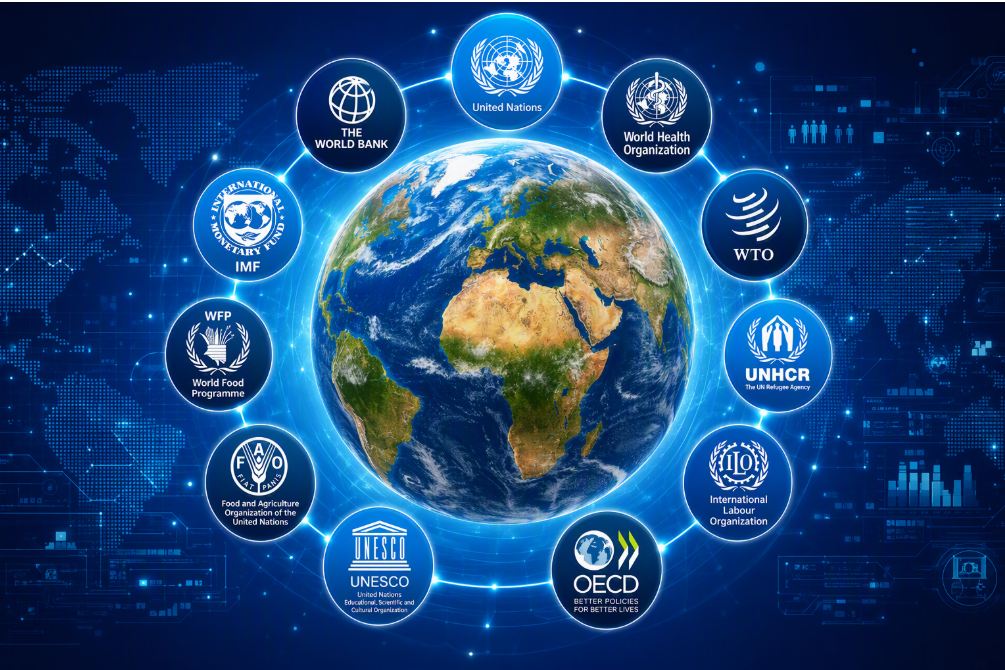
Multilateral forums are important places where India can use its soft power and work with other major powers. Being part of groups like the united nations or the World Trade Organization lets India say what the country thinks about big issues like climate change and human rights. This lines up with India’s national interests and with what matters to the world.
When India takes part in these meetings, it builds good ties with other countries. It helps people feel more peaceful and safe in the indian ocean region. It also gives India more strength among other major powers. India gets seen as a country that works for all people.
India’s moves like the act east policy go well with this. These moves show that India wants to help with inclusive development and wants better cooperation and growth in the indian ocean region.
Foreign Policy Directions (2014–19 and Beyond)
The time after 2014 brought many new steps in India’s foreign policy. With Prime Minister Narendra Modi leading, the country worked to build strong strategic ties with major powers. There was also a push to grow regional cooperation in South Asia. The Act East Policy and plans for a safer and more linked Indian Ocean Region showed India saw the changes in international relations. Even with problems like climate change and security, India stayed steady with its foreign policy. The goal was always economic growth, mutual respect, and peace. National interests were kept first at all times.
Continuity and Change in Indian Foreign Policy IAS
When you look at India’s foreign policy, you see both the old and the new. The main ideas are still there. These include mutual respect and not taking sides. But now, India does more when it comes to problems in the world. It puts a lot of value on strategic autonomy. This is key because we now have new big countries coming up and changing international relations.
India talks to and works with major powers. This shows that it is open to new things. But, the country always puts its national interests first. India uses old ways along with new ways. This shows that the country wants to stay close to its past. At the same time, it wants to have a big role in the world. Doing this helps keep regional stability. It also leads the country to sustainable development.
Balancing Tradition and Innovation
India shows how you can mix old ways with new ideas in international relations. It stands strong on its values of mutual respect and peaceful coexistence. These values come from Jawaharlal Nehru. They still matter a lot in its foreign policy today. At the same time, India uses economic diplomacy to take care of its national interests. It works with other countries all over the globe.
India faces changes in the world. Still, it keeps its history close. The country builds strong partnerships with others. These connections help make the area safer. They also bring economic growth. India’s approach makes major powers respect it more and helps regional stability. Its foreign policy brings good things to people in its region and in the globe.
Adaptation to Shifting World Order
India’s foreign policy works in a world that keeps changing. The country tries to keep old ways and also face new problems. A big goal is to have strategic autonomy. India wants to make strong ties with old friends, and also reach out to new partners. This open way helps India handle big world changes such as multipolarity and growth in economic diplomacy.
India is clear that working together helps all sides. There is a focus on mutual benefit. This gives India a better global standing and lets it do more in international relations. When new problems and chances show up, like climate change or regional trouble, India’s foreign policy can change to meet them. These steps help keep national security and also back up sustainable development. It is the best way to work for progress in the busy world order.
Trends in Cultural, Space & Sports Diplomacy
In the past few years, India has put a lot of effort into culture, space, and sports. This is done to build strong connections with people and countries all over the world. India shares its art and music. This helps to show its soft power and improve its global standing in the eyes of other nations. By doing this, India gets closer to major powers and their ties grow stronger.
India has also started to do more with space. The country works with other nations on space missions and research. This shows the world that India is good with technology. India wants to use space in a peaceful way.
Sports play a big part in this. India uses cricket and other sports to make friends and build positive international relations. All these efforts show that India values mutual respect. It is ready to work together with others on the world stage. In the end, these things are key to India’s strategic interests because they help India reach out and make better ties with others.
Conclusion
In international relations, it is good to know about india’s foreign policy. Over the years, there have been many changes. The country has tried to hold on to tradition while also looking at new needs, such as keeping its own strategic autonomy and trying to get more economic growth. Leaders like Jawaharlal Nehru, Manmohan Singh, and Narendra Modi have all shaped india’s foreign policy. They have helped india become a strong regional power and have worked to give the country a big voice in the world.
Looking ahead, india will want to work more with other countries. The country will focus on sustainable development and also use soft power to make friends in new places. These steps in india’s foreign policy will be important for national security, and will help make more international cooperation happen.
What are the core principles of Indian Foreign Policy for IAS aspirants?
The main ideas of Indian foreign policy are non-alignment, having its own say, respect for world law, and working for peace and safety. These guide how India deals with other countries. India likes to talk and work with others to solve problems in the world. These show how important dialogue, strategic autonomy, and teamwork are for its decisions about foreign policy.
How has Indian Foreign Policy evolved since 1947 for UPSC notes?
Since 1947, Indian foreign policy has changed a lot. At first, India did not take sides with any big groups. Now, Indian foreign policy is more active. India wants to build good ties with major powers. It also helps with links in its own area and joins talks with many other countries. A key change in policy was to make better ties with the major powers. India keeps changing what it does based on the world, and works to fix any problems that show up.
What is the impact of Panchsheel principles in India’s diplomatic history?
The Panchsheel principles started in the year 1954. They had a big effect on how India talked with other countries. These ideas were about peaceful coexistence and mutual respect. They helped India work in good ways with nations that are close to it. The principles were also part of India’s choice not to join any big power group in the world. Because of these ideas, India became important in international relations. The world saw India as a country that wants all nations to have the same rights and to respect each other.