Key Highlights
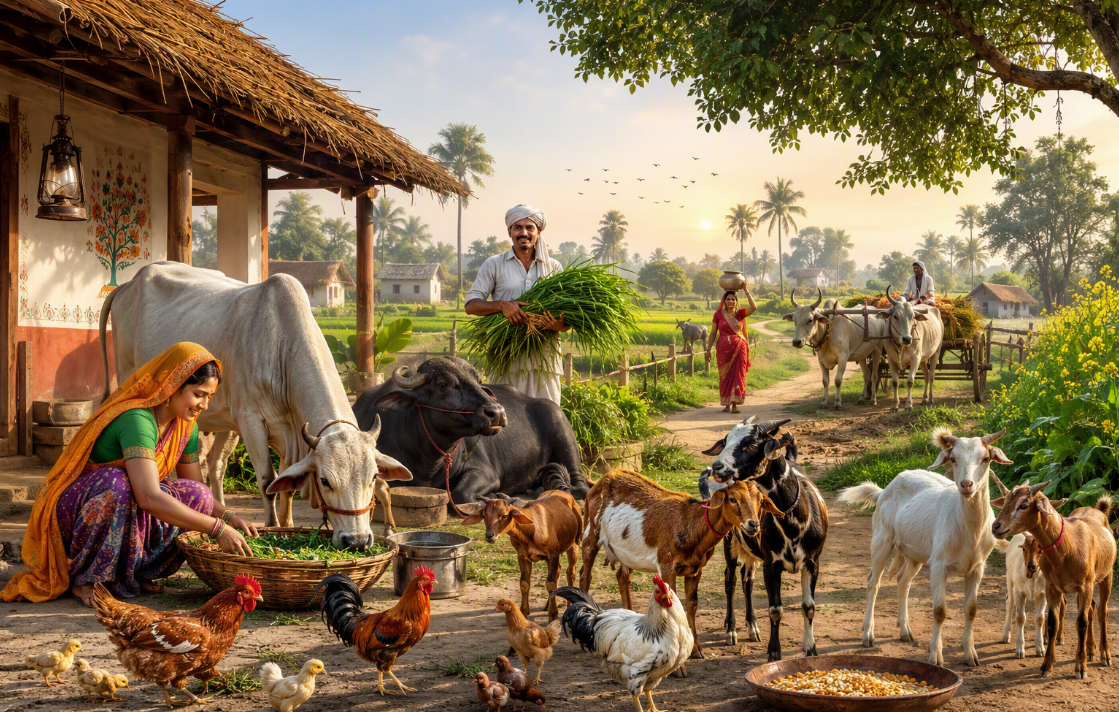
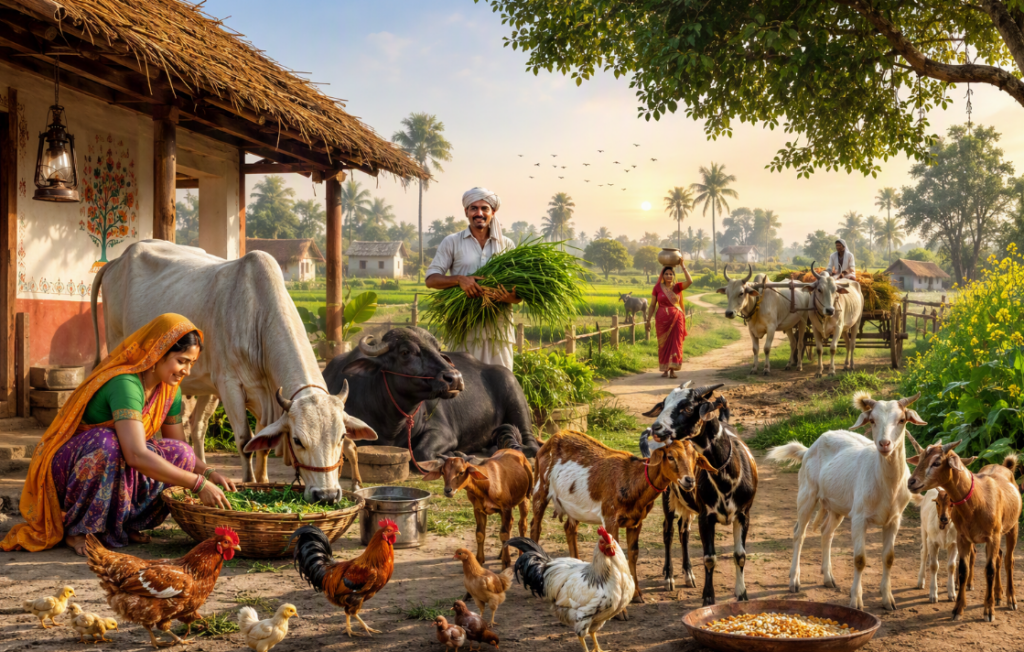
- Animal husbandry plays a big role in India’s farm sector. It gives work and a way for millions of people in rural areas to earn.
- The livestock sector adds a lot to agricultural GVA. It helps in a good way when crops give less money to people.
- India is the world leader when we talk about milk production. The country is also doing good in egg, fish production, and meat.
- Animal rearing gives people a regular income. It creates jobs for small farmers and women, too.
- Schemes like Rashtriya Gokul Mission and National Livestock Mission help this part of farming grow fast.
- UPSC candidates have to check data, know about challenges, and watch how policies in the livestock sector and animal husbandry are changing.
Table of Contents
Introduction
Animal husbandry is not just about looking after animals. It is an important part of the Indian economy. Many people in rural India depend on animal rearing for food and their work. For someone who wants to take the UPSC exam, animal husbandry is a key topic. It links to agriculture, job creation, food, women’s jobs, and what the government does. You will find questions about dairy, fishing, livestock, and development of villages in GS Paper III. If you know how the money part of animal rearing works, you can give better and more complete answers.
Significance of Animal Rearing Economics in India
The livestock sector is now a strong part of India’s farm economy. It gives about 30.38% to agricultural GVA. The livestock sector has been growing faster than crop farming in the last few years. This shows how important it is for seeing change in agriculture.
At the same time, it helps people in rural areas. They get steady money, animal products, and more income from value addition. Things like milk, eggs, meat, and fish help keep good nutritional security. If you want to do well in UPSC, you should know why this is important for the exam and how it helps rural development.
Importance for UPSC Exam Preparation
For UPSC, animal husbandry is not a small topic. You will find it in GS Paper III as part of agriculture, food security, and rural economy. The questions might be about livestock rearing, growing the dairy sector, fish farming, how women take part, or plans for improving this field. So, it is important to make good notes and keep up with the latest facts about animal husbandry and livestock rearing.
What makes animal husbandry even more important? It links the field of economics to society. Animal husbandry gives a big boost to agricultural GVA. It helps meet food needs, and provides money outside farming jobs, especially in rural areas. It also helps you think about ways to grow together and stay strong when crop output is not certain.
In exam writing, this topic helps you a lot. You get useful statistics, good examples, and many ways to talk about policy. You can add points about milk production, growth in fisheries, disease control, not having enough fodder, and breed improvement in one answer. This wide range makes it a strong theme for both Prelims and Mains.
Role in Agricultural Economy and Rural Development
Across India, the livestock sector gives steady support to rural households. Animals can bring in regular income. People sell milk every day. They also sell eggs now and then, or other livestock products like meat, wool, and manure. This helps families cover their expenses all year.
Another big benefit is that it helps with employment generation. Agriculture usually offers only a limited number of workdays. But the work that comes from livestock helps fill that time when farming is slow. Dairy work alone gives jobs to over 8 crore farmers. Fisheries help about 28 million people earn a living. For many groups who own little to no land, this is a good and practical way to get work.
From a rural development view, animal rearing helps people be stronger when problems come up. It makes food easier to get, helps local markets grow, and gives families something to use when they need support. This is why UPSC talks about animal rearing with things like income safety, helping people feel safe in society, and keeping rural areas growing in a good way.
Major Sectors in Indian Animal Rearing
Indian animal rearing covers more than just cows and buffaloes. It also includes the dairy sector, fish production, poultry, as well as keeping sheep and goats. People are involved in piggery and meat production too. All these give us a large range of animal products for us to use, trade, and sell.
This diversity matters because people in different places and income groups need different types of livestock farming. Some people depend on milk. Others get what they need from egg production, meat products, or fisheries. First, we will talk about livestock and dairy. Then, we will look at poultry, meat, and fisheries.
Overview of Livestock and Dairy Sectors
India has a huge number of animals. The 20th livestock census found there were 536.76 million livestock and 851.81 million poultry birds. This large group helps boost dairy, meat, manure, and other jobs in small towns and villages. It also shows why this sector plays a big part in India’s economy.
The dairy sector is very important. India is now the top country in the world for milk production. It has reached 247.87 million tonnes in 2024–25. The per capita milk availability is 485 grams each day. This number is higher than the global average. This not only helps improve nutrition for people, but also gives a steady cash flow to farmers.
Dairy cooperatives have been important for this success. This model connects the producers to the markets. It also helps lower the need for middlemen. Because of this, more dairy products like butter, paneer, and yogurt are made.
Livestock and dairy are good for the farm economy. They help to grow, stay strong, and let many people take part.
Poultry, Meat, and Fisheries Sectors
Poultry is one of the fastest-growing parts of animal rearing in India. In 2024–25, egg production in the country reached 149.11 billion. This puts India in the second spot around the globe. Both big commercial farms and small backyard systems play a role in this. Poultry is good for giving people protein and also helps support small businesses in rural areas.
Meat production is still very important in India. In 2024–25, the country made 10.50 million tonnes of meat. This made India the fourth biggest in the world. But there are still problems with meat processing. The value addition in this area is not as high as it is in other countries. A lot of slaughter and retail places do not have good hygiene. Many also do not have proper cold chains.
Fish production has grown a lot in the past few years. The amount went up to 197.75 lakh metric tonnes in 2024–25. India is now the second biggest in the world for fish production. For the UPSC exam, you should know these areas change what people eat, help with exports, and show why the country needs better roads and support through every step of the value chain.
Key Drivers of Growth in Animal Rearing Economics
Growth in animal rearing does not just happen by itself. It needs breed improvement and genetic improvement. Better feeding and strong disease control also play a big part. A higher demand in the market helps too. These things help people get more from every animal and make more money.
There is still a gap in how much work people in India can get done compared to the global average. So, making things better in this area is important. The way technology keeps getting better and better processing helps to drive change. Both exports and more people in India buying things are making new chances for growth. The next two sections will talk about these reasons for growth in a clear way.
Technological Advancements and Modern Practices
Technology plays a big part in the improvement of animal rearing economics. New breeding tools, better ways to watch animal health, and ways to manage animals using science help raise output and cut down on losses. In India, the artificial insemination programme led by the Nationwide Artificial Insemination Programme is key to the genetic upgradation of animals.
Modern practices help with infrastructure development. Milk chilling, processing plants, feed systems, and cold chains make the milk better and stop waste. At the same time, stronger disease control makes cattle healthier and protects farmer income.
Key growth drivers include:
- The artificial insemination programme helps breed improvement reach more areas.
- The INAPH system is used to tag and track cows and other cattle.
- There is better support from vets and good vaccination systems to help with disease control.
- Cold chains and processing facilities are used for handling milk, meat, and fish.
These tools help people get more work done. They also help the industry make more money. This is good for both small and big producers.
Market Demand and Export Opportunities
Demand is a strong force in this sector. When people have more money and change what they eat, the need for milk, eggs, meat, and fish goes up. This makes more people put money into livestock products, dairy processing, and transport systems. If you are preparing answers for UPSC, do not forget about this side of demand.
Export chances are also important. India is big in seafood exports and has been one of the top bovine meat exporters. But, weak processing standards, low value addition, and poor market access hold farmers back from getting more gains. This gap is a key exam point.
If you are going to write a UPSC answer, talk about how production is growing. You should also say what the gap is with the global average when it comes to how much one can make. Next, look at how the market is growing and what is needed for better infrastructure.
Add one point about policy and mention one challenge. This way, your answer will feel balanced, clear about today’s situation, and show you are thinking in a smart way.
Contribution of Animal Rearing to Rural Income and Employment
Animal rearing helps rural households with their money needs. It lets marginal farmers and families without much land make money apart from what they get from crop farming. They can sell milk every day, get some income from poultry, and trade small animals to bring in a regular income through the year.
Animal rearing plays a key part in giving people work. Women, family members, and people from the area often help with feeding, milking, processing, and selling. This makes animal rearing a way to earn money and gives the people a support system, too. The next sections will show how this works in practice.
Role in Women Empowerment and Small Farmers’ Livelihoods
Animal rearing and women empowerment go hand in hand in India. A big part of the livestock work force is made up of women. They do about 69% of the work. A lot of these women work in rural households. They take care of feeding, cleaning, milking, and other care for the animals. In many places, women are the main people who run dairy and poultry work in their homes.
For small farmers, this is important. Livestock needs less land, unlike many other ways to farm. A few milch animals, goats, or backyard birds can help support your household cash. The income from milk, eggs, or value addition from making local dairy products helps families cover regular needs. They do not have to wait for the main harvest time.
UPSC wants to know about livelihoods in a real way. The answer is simple. Animal rearing gives income, good food, and helps people handle hard times. It lets women take a bigger role in earning, helps families get more say, and makes the way small farmers live much stronger.
Economic Impact on Rural Households
The way animal rearing helps people in a village is big and felt right away. It is good for income in the village. People can get money often, when they need it, and not just in harvest season. This is why animal rearing is so important for small farmers and those families who do not have land.
Its benefits go up when livestock productivity gets better. A higher milk yield, fewer losses from disease, and stronger ties to the market can change how money comes in for a household. Even one good dairy animal can give the family a steady income.
Key household-level gains include:
- You get regular income from selling milk every day.
- If you need emergency cash, you can sell goats, sheep, or poultry when needed.
- A farmer can use manure from animals better, which helps the farm and also cuts down on other costs.
- Your family will eat better from having milk, eggs, and meat at home.
- As milk yield and livestock productivity go up, you see higher returns and make more money.
This is why the UPSC sees animal rearing as a tool that helps the economy and also helps people in society.
Challenges in Animal Rearing Economics
This sector has some good points. But there are still big problems that need to be fixed. Low productivity is the main issue. This is clear when you look at cattle output in India compared to other countries in the world. Weak fodder development, not enough credit, and poor services also make it hard for farmers to get good returns.
Animal health is a big worry for many people. Disease outbreaks like lumpy skin disease, mouth disease, and African Swine Fever lead to money loss fast. On top of this, prices can change a lot, and markets are often weak. These things make income hard to count on. Let’s look at these problems one by one.
Issues of Fodder Supply, Breeding, and Animal Healthcare
A main problem in animal rearing is with the basic inputs. Farmers face shortages of green fodder, dry fodder, and good animal feed. If animal feed does not meet the right standards, milk output drops. Fertility goes down. Overall, returns to the farmer also drop. This is bad for farm economics.
Breeding is still a big challenge. Progress in breed improvement has not been as fast as people hoped. There are still not many crossbred cattle in the total population. The low genetic value of these animals keeps them from giving as much as they could. This also keeps the difference in how much they produce for a long time.
Key issues include:
- There is a lack of green fodder and dry fodder for animals.
- A shortage of balanced animal feed and other needed concentrates is there.
- Breed improvement is slow and not reaching all animals.
- Many places do not have good animal healthcare.
- Lumpy skin disease and Foot and Mouth Disease cause heavy losses.
If we do not fix problems with fodder, breeding, and looking after animal health, people will not see a fair increase in their income from this sector.
Market Access and Price Fluctuations
Even if there is better production, the livestock farmers may still not get a fair price for what they sell. This happens because they do not have good ways to reach the market. In many areas, there are no collection centers, places to store products, or units to process goods close by. This makes the farmers sell in a hurry and they have less power to set the price.
Changes in price add more things to worry about. The price of milk, eggs, meat, and feed often do not change in the same way. Feed can get more costly while the price of what you sell stays low. This can quickly cut into the profit for small producers. This is hard for the people who need money each day from their animals.
That is why infrastructure matters. Steps taken with the infrastructure development fund and other support can help with processing, storage, and transport. Better markets are good not just for traders. They also protect the income of those who do animal rearing. This makes the business of animal rearing more stable.
Government Policies and Schemes Supporting Animal Rearing
The government’s rules are very important for this sector. In India, the government has put in some plans for breed, health, and infrastructure. These plans help farmers get more from their animals, fight sickness in their cattle, and make the whole value chain better. For the UPSC exam, these plans are very helpful for scoring as they mix policy ideas and real changes in the economy.
Important names in animal husbandry are the National Livestock Mission, Rashtriya Gokul Mission, Animal Disease Control Programme, and the Animal Husbandry Infrastructure Development Fund. These programs give the sector financial assistance, technology support, and long-term guidance. Now, let’s look at these key initiatives on animal husbandry, animal disease control, and infrastructure development in more detail.
Key Government Initiatives and Their Impact
India has started several plans to help with animal rearing. These plans aim to make breeds better, stop diseases, improve processing, and support people who want to start new work. This is important for UPSC because it shows how the government helps people do more things on farms and helps families in villages earn more money.
Each scheme focuses on a different problem. Some are there to help breeding. Others work on building more infrastructure. A few feel aimed at lowering losses from disease. When there is updated livestock census data and new production numbers, it is easier to see how well these schemes do over time.
Key initiatives include:
- The National Livestock Mission works on breed improvement, better fodder development, and animal husbandry entrepreneurship.
- The Rashtriya Gokul Mission helps develop and protect local bovine breeds.
- The National Animal Disease Control Programme aims to stop Foot and Mouth Disease and Brucellosis. This is an important animal disease control step.
- A Nationwide Artificial Insemination Programme is there for better animal breeds through animal husbandry and artificial insemination programme.
- The Dairy Processing and Infrastructure Development Fund helps modernize dairy work and support dairy processing.
- The Animal Husbandry Infrastructure Development Fund helps increase private investment and bring value addition into infrastructure development.
These steps focus on national livestock mission, disease control, mouth disease, infrastructure development fund, and improving animal care in the country.
These schemes work together to help boost output. They also help cut down risk and get things ready for the market.
Recent Reforms and Budget Allocations
Recent changes show that there is now a bigger focus on the whole value chain, not just on giving help for production. This means there will be more use of the infrastructure development fund model. There is also more backing for private investment. Livestock and fisheries programs are working together in areas that need more help. This wider way of doing things is important when you write answers for exams.
The budget is now paying more attention to other important areas too. Fisheries got more support than ever before in 2025–26. Support for breeding and dairy set-up is also still going on. The rashtriya gokul mission has been given more time, and now it is part of the bigger Rashtriya Pashudhan Vikas Yojana until 2026.
For UPSC, you need to focus on the schemes that deal with breed improvement, disease control, and building the right infrastructure. The Rashtriya Gokul Mission aims to make native breeds better and increase their numbers. The national livestock mission helps grow the livestock sector. It supports breed development and gives help for setting up farms too.
NADCP is important for disease control. It works to stop major animal diseases. DIDF and AHIDF help set up good dairy and animal husbandry infrastructure. These schemes show how the old and new ideas shape our policies. Right now, the focus is on both supporting farmers and improving animal standards for the country.
Current Trends and Data in Animal Rearing Economics
UPSC answers are better when you use new production numbers. In animal rearing, numbers on milk, eggs, meat, and fish production can help make your answers more strong and reliable. Trends from the livestock census also help you see how big the animal sector is and what it looks like.
The dairy sector is still the top performer. Meat production and fish production are growing as well. State leaders play a big part in this, and it is good to keep that in mind. The next parts will show the main numbers and give some good case examples.
Latest Statistics and Production Figures
If you want to do well in current affairs questions, you should remember a few key numbers. In 2024–25, India made 247.87 MT of milk. It also got 149.11 billion eggs, 10.50 MT of meat, and 197.75 LMT of fish. These numbers are important for the UPSC exam.
Another thing to note is capita milk availability. In the year, it was 485 grams each day. This is higher than the world average. This means there is strong growth in dairy and people now have better access to good nutrition.
| Indicator | 2024–25 Figure | Key Note |
|---|---|---|
| Milk production | 247.87 MT | India ranked #1 globally |
| Capita milk availability | 485 g/day | Above world average |
| Egg production | 149.11 billion | India ranked #2 globally |
| Meat production | 10.50 MT | India ranked #4 globally |
| Fish production | 197.75 LMT | India ranked #2 globally |
These numbers help you write answers that are clear, current, and based on facts.
Case Studies and Model Practices
Using state examples can really help your answer stand out. Don’t talk in a vague way. Use the top producers to show how animal husbandry is different in each region. These examples are simple and easy to remember. They also help a lot when you write your Mains answers.
Uttar Pradesh is a leader when it comes to milk production. This shows how big the dairy economy is there. Andhra Pradesh is out in front in egg production. This tells us how strong commercial poultry is in that state. West Bengal is one of the top states in meat production. It is also very active in eastern India when it comes to livestock. These facts make it easy to show how each part of the country is known for something.
Keywords: milk production, egg production, Uttar Pradesh, West Bengal, Andhra Pradesh
Useful examples include:
- Uttar Pradesh is known for being a top milk-producing state.
- Andhra Pradesh is leading in egg production.
- West Bengal is well known for being a large meat producer.
- Dairy cooperatives that follow the Anand Pattern are seen as a strong model for how groups can work well together.
- The PMMSY-led plan for growing fisheries is a good example of how policy support can help targeted growth.
These cases add depth to your UPSC answers, but they do not make things complicated.
What are the main drivers behind growth in animal rearing economics?
The big reasons for this growth are breed improvement, more use of artificial insemination, better infrastructure development, more people buying, and stronger disease control. When farmers have healthy animals, good processing help, and sure places to sell, they make more and get better pay. These things help explain why this area keeps getting bigger in India.
How does animal rearing contribute to rural development according to UPSC syllabus?
Animal rearing helps people in rural areas in many ways. It creates jobs, brings regular income, and makes sure there is better nutritional security. Small farmers benefit a lot from animal rearing, because they get money even when their crops are not growing. Products like milk, eggs, meat, and fish also improve what people eat. In village economies, keeping livestock is also a useful asset for every household.
Which government schemes are most relevant for UPSC regarding animal husbandry?
The Rashtriya Gokul Mission, National Livestock Mission, and National Animal Disease Control Programme all help the dairy sector. There are also infrastructure development fund programs like AHIDF and DIDF. These plans be made to give help with breed improvement, fodder, and people wanting to start new things. They also work on disease control and growing the value-chain.
Many questions come up about animal husbandry and how the livestock sector helps people in rural areas. People ask what the National Livestock Mission does, and how it works to control disease and improve breeds, especially for marginal farmers. Some want to know about dairy cooperatives, how they help with dairy processing, and the ways they help people get more milk yield. Many also ask how the livestock sector can help with employment generation and how financial assistance can boost livestock health and productivity in places like Uttar Pradesh and West Bengal.