Key Highlights
- The global south is made up of developing countries. The people in these places care about issues like inequality, climate change, and economic development.
- Globalisation has brought the world closer, but not everyone has gained in the same way. There are big differences between the global north and the global south.
- The Brandt Line shows how the world is split in international relations between rich regions and poor regions.
- A multipolar world is now giving more room for voices from the global south to be a part of global governance.
- India uses south-south cooperation, talks in the G20, and diplomacy to bring more attention to these concerns.
- Changing institutions like the World Bank is still important for making the order more fair.
Table of Contents
Introduction
Globalisation has helped countries be more connected by trade, technology, and different groups working together. But not every place gets the same benefits. The term global south talks about developing countries in Asia, Africa, Latin America, the Caribbean, and Pacific Islands. A lot of these places have some things in common like past colonial rule, being treated unfairly, and having less of a say. These developing countries have a big part of the world’s population. Now, they get more attention in big talks around the world. For UPSC, knowing about the global south is important because it links things like economy, development, and how countries work with each other.
Understanding the Concept of Globalisation
Globalisation is when the world starts to be more connected in trade, money, technology, and new ideas. This has an effect on how countries grow and work with each other. It also changes how they compete and get along. For many, it has a big part in their economic development and how they take part in international relations.
At the same time, globalisation is driven by markets. It is shaped by major powers and international institutions like the World Bank. So, its impact is not equal. Some countries got quicker growth. Others did not and are still dependent or feel weak. To know it well, you should look at its meaning, what pushes it, and how it changes global politics.
Definition and Evolution of Globalisation
Globalisation means that goods, money, new ideas, and technology move between countries more than before. In simple words, it shows how the world became more connected. This change has shaped trade, culture, and international relations. It also affects all the people and how governments make their rules.
The modern time of this started after the end of the second world war. Countries had to rebuild. They set up new places and rules that made it easier to trade between borders. This made some regions get economic growth and be more linked to global markets.
Some countries went on to build industry and have wealth. At the same time, many places that are still developing stayed as ones giving raw materials or cheap work. This big gap is a reason why the term global south is there in talks around the world. The term global south is not just about where places are on a map. It also talks about the history and place of people in the world’s population who share the same story.
Drivers of Globalisation in the Modern World
Global trade is one of the main reasons for globalisation. Countries buy and sell things, invest money, and build supply chains across the world. Because of this, developed countries and developing countries are now more connected than in the past. As markets got larger, production moved to areas that have lower costs and more people to work.
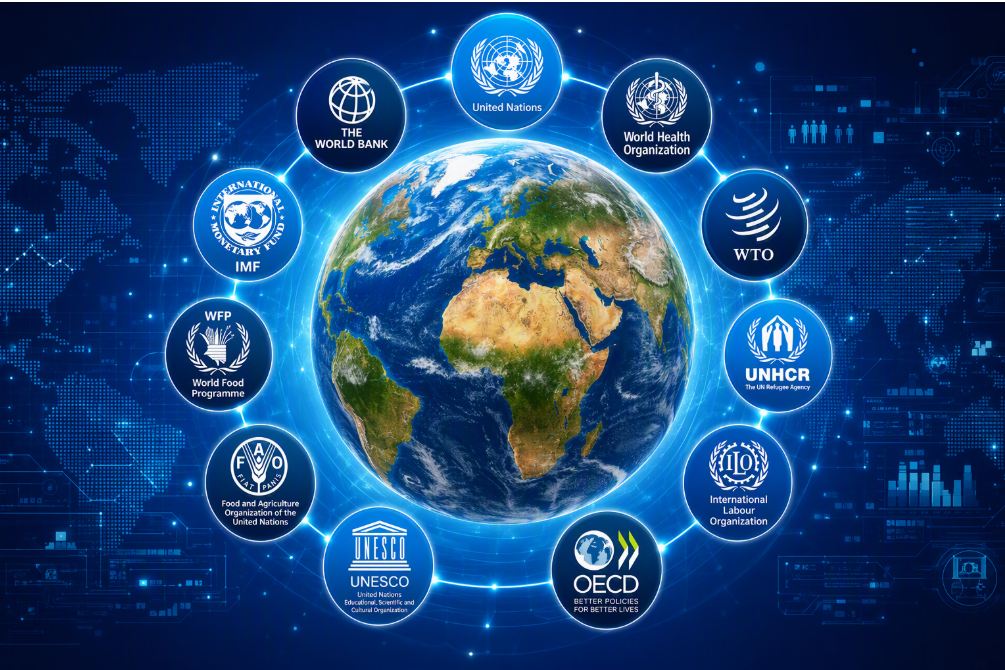
Another thing that helps is the role of international institutions. Groups that handle money, development, and setting policies help countries take part in the global economy. The way they set rules can change how trade works, what development matters most, and what goals countries try to reach.
Technology is making things move faster, but not in the same way for everyone. The digital divide makes it hard for some societies to use digital tools, finance, and knowledge as much as others. That is why globalisation helps the global north faster. The global south has some barriers like less ability, less access, and more risk when it comes to trade and technology.
Impact of Globalisation on International Relations
Globalisation has made international relations more connected. The countries depend on each other more now. Trade, money, technology, and health care cross borders with less trouble. A thing that happens in one place can have an effect on others fast. This is true in times of need, like when there are problems with food, energy, or supply.
Global governance is now more important. Countries use multilateral groups and big organizations to talk about trade, debt, reform, and economic development. Still, weaker states feel that these groups do not show their needs or give them a strong voice.
For the global south, the effects are not all good or bad. Globalisation helped these countries reach new markets and grow. At the same time, it brought problems like more unequal wealth, debt, and climate change. Many of the poorer places feel these changes harder. They did not cause most of these issues, but they still deal with them. This mix of the good and the bad is a big part of the talk about the world today.
Defining the Global South in Global Affairs
The global south is a term people use in world affairs to talk about developing countries. These countries face problems like inequality, a history of colonialism, trade that is not fair, and not having enough say in big decisions. The global south is not a group you can join. It is also not just countries in the southern part of the world.
In practice, the term is used for many countries in Asia, Africa, Latin America, the Caribbean, and the Pacific areas. The meaning got stronger after the Cold War and talks about development. Today, you will find the word in diplomacy, climate meetings, and reform talks that the World Bank and other big groups have.
Historical Context of the Global South
The idea of the global south started after the end of the second world war. At that time, many new countries in Asia, Africa, and Latin America wanted to grow their economies and keep their freedom after colonial rule. They had many big problems in the global system.
During the cold war, people often called these countries the third world. This name was for states that did not join fully with the united states or the soviet union. With time, many leaders wanted to use a word that talked more about their development needs, and not just about which group they joined.
The Bandung Conference in 1955 was a big moment for the developing world. This meeting let countries that were once under foreign rule talk about their own needs and work better together. After this, people started to use the words “Global South” more in international relations. The Global South points out the gap and unfairness in the world. It also shows how these countries want things to be more fair for all.
Key Features Distinguishing the Global South
The global south includes many different countries. Still, there are things that many of them have in common because of history and development. A lot of these countries are developing economies. Many went through colonialism in the past. They often started industry later than other places. A number of these countries depend on raw materials or simple factories for income. These things shape what the government can do and how people live in these countries.
You can see that the same features appear in many of these groups.
- There are higher levels of poverty. Income inequality is big too.
- Many people depend a lot on farming or natural resources.
- There are limited educational opportunities. Health gaps are there as well.
- Poor infrastructure hurts transport, energy, and services.
- There is greater exposure to outside shocks. Debt stress is high too.
These features are not the same in every place. Still, they help show the big difference between the global south and richer parts of the world. The term global south is used because many countries face some of the same problems. It does not mean a set area, so some countries in the northern hemisphere can also be part of the global south.
Relation between the Global North and Global South
The link between the global north and global south is built on unequal power, trade, and history. The global north stands for developed countries that have strong systems, modern industries, and make more money. North America and other rich places are good examples of this group.
The developing world and the global south often do not have much power when it comes to money, technology, or global decisions. Many countries in this area rely on export markets. They also need to bring in technology and money from outside. This sets up a relationship that is linked but not equal.
Globalization made this connection stronger. It gave many chances to grow. But it also made poor countries feel more stress over debt, prices going up, and changes in rules. The Global North gets more from the push to be open in the world. At the same time, the Global South keeps asking for fair rules, more say, and easy ways to get development tools.
Theories and Perspectives on Globalisation and the Global South
Different theories show you why globalisation does not help the global south in the same way as other places. They talk about how things like history, trade, power, and institutions can change development for each country. This is important because the story is not just about growth. It is also about who has control and who gets to have a say.
Three helpful ways to look at the global south are dependency theory, world systems theory, and the postcolonial view. Each one helps us see why some places move ahead and others do not. Looking at all three can help us better understand talks about globalisation and the global south, which is important for UPSC.
Dependency Theory and the Global South
Dependency theory says that poorer countries often need richer ones for money, new tools, and ways to sell things. In this view, the world’s economy is set up so that the global south stays in a weaker spot. Growth, then, is not just slow. Unequal links between countries also shape it.
This shows why income inequality stays high in many places, even when they join global trade. A country may sell raw materials or cheaper goods. Then, it buys costly technology and finance from others. This kind of trade often keeps the country from making big changes over time.
For UPSC, this theory helps us see how development is tied to global structures, not just things happening in a country. The theory shows why many in the global south ask for changes in groups like the World Bank. They want better trade, more honest finance, and a fair voice for all countries. These are needed to deal with the big economic challenges the world still faces.
World Systems Theory Explained
World systems theory sees the world’s economy as one big, linked system. In this system, countries have different places. Some are in the center. These countries have the best industries, strong money systems, and more power in politics. Other countries are on the edge. They usually give work, raw goods, or small-value stuff to richer places.
This framework helps us see why there is a gap between developed countries and the developing world. It also shows how wins from globalization do not always get shared in a fair way. The countries at the top make the rules for trade, money, and how goods move around. They do this to keep their edge over everyone else.
The Brandt Line is a clear way to show the big gap between rich and poor areas. It is not perfect, but it made people talk about how global institutions and economics are not the same for everyone. For the global south, this idea shows that joining the world does not always bring equal progress.
Postcolonial Perspective on Globalisation
A postcolonial view looks at how colonial rule still affects the world today. It shows that many developing countries joined the global economy after being used for a long time. These countries had little industry and rules made by people from outside. This past still shapes the choices their leaders make and how strong or weak their governments are now.
From this side, the global south is not only made up of countries that have less money. It is also a group of people where the way of life and growth was shaped by outside rule and not-so-equal trades. The history of empire and control from others is a big part of it. This is why today, topics about dignity, fairness, and how they are seen matter a lot for people of the global south in discussions.
This view puts focus on national sovereignty. Many countries want to be in control of development plans, technology, and talks with the world. The Global South has many people in the world’s population, so their need is clear. They ask to take part in globalization but not lose their voice, fairness, or the power to decide for themselves.
Major Differences between the Global North and Global South
The gap between the global north and global south is more than where they are on a map. It is about how much money and power they have, their industry, and the way people live there. Developed countries be better set up, while many places in the developing world still have some limits that hold them back.
The Brandt Line helped people see this divide, even if the line was not always perfect. Today, there are clear differences you can see in income, health, education, infrastructure, and how people get online. The next parts will show how the Brandt Line relates to economic, social, and technology changes. This will help you understand the divide in a simple way.
Economic Disparities and Development Gaps
Economic gaps between richer places and poorer areas still stand out around the world. Developed countries usually have many types of industries. They also have stable systems and do well in making things. On the other hand, the economic souths rely more on farms, raw goods, or simple factory work. The economic souths also have more debt and depend on the outside for help.
The gap between these places can be big. Based on gathered numbers, World Bank data from 2023 says the average income for each person in Sub-Saharan Africa was about $1,623. In North America, it was about $79,640. This shows how income inequality is not just inside one country. It also happens between different parts of the world.
| Indicator | Global North Pattern | Global South Pattern |
|---|---|---|
| Income levels | Higher average incomes | Lower average incomes |
| Economic base | Diversified industry and services | Agriculture, raw materials, low-value production |
| External dependence | Lower dependence | Greater dependence on imports and outside finance |
| Development gaps | Smaller | Wider and more persistent |
Social and Cultural Contrasts
Social contrasts between the two big groups often show long-term development conditions. In the Global South, basic services are not the same everywhere. This is especially true in rural and poor places. It can change the quality of life, how people move around, or what chances they get in life.
Some major social and cultural contrasts include:
- Many people live less years in many poorer regions.
- People have limited educational opportunities and there are bigger gaps in education.
- Rapid population growth puts more pressure on these places.
- Poverty has a stronger effect on health and the way people live.
These points do not say societies in the global south are not dynamic or do not have strong cultures. The difference is about development results and not about value. For UPSC, it helps to see how social signals link to the type of economy, how much the public spends, and history of disadvantage in countries that have a lot of differences in their past.
Technology and Infrastructure Divide
The technology gap is a big difference you see between the global north and the global south. A lot of developing countries still do not have good access to the internet and digital services. Many people in these places can’t use advanced technology like others do. This digital divide can make it hard for them to get work done, learn new things, and for their government to do its job well.
Poor infrastructure makes the problem worse. There are big gaps in transport, power, health, and communication services. These issues slow down investment and cause costs to go up. When countries have problems with their roads, energy, or how they move goods, it becomes hard for economic growth to happen. It also means not everyone can take part in this growth.
At the same time, this area gives many chances. A good digital public infrastructure can help countries. It lets them offer better services, manage money, and give people easier access to welfare. Renewable energy does this as well. It helps by letting more people use power and stops them from being at risk. This is why technology and infrastructure are now very important in talks about development in the global south.
Key Challenges for the Global South in a Multipolar World
A world with many strong countries lets the global south be seen more, but it does not fix big problems. Many developing countries still have economic challenges. They feel debt pressure and have weak bargaining power. These countries are also open to bad surprises from outside. There are also differences inside the group, and this makes it hard for them to work together.
Another issue is that there is political instability, climate change, and big countries fighting for power. These things can split countries apart. They can also put stress on budgets and make it hard to stick to plans. To see the problem in a clear way, you have to look at three main things. These are who gets to speak for each country, unfair trade between them, and problems with the environment.
Political Marginalization and Voice in Global Governance
Many global south nations feel that global governance is not fair. They say the current setup does not show what is really happening now. When big choices get made about peace, money, trade, and development, developing countries do not have much say in them. This makes it hard for people to trust the international system.
The need for the voice of the global south to be stronger is now bigger than ever. Many countries want things to be more fair when it comes to having a say in finance and diplomacy. They think the way decisions are made must change. These countries also feel that development should be a key focus for everyone in the world, not just the plans and interests of a few. This is what the global south voice is asking for now.
Recent steps show that more people are noticing this push. In 2023, when India was in charge, India backed the idea for the African Union to be a permanent member in the G20. People saw this as progress for bigger representation. Still, the reform is not finished, mainly for groups linked to the united nations and other places with power.
Economic Inequality and Trade Barriers
Economic inequality still stops many developing countries from having a lot of choices in making rules. These countries take part in global trade, but the deal is not fair for them most of the time. A lot of developing economies depend on basic goods, have to get technology from other places, and need money from outside. This makes them feel pressure when prices change in the market.
Common barriers include:
- A country may rely on raw materials or sell things that are not worth much.
- A country may have a lot of debt and not much money to spend.
- A country can face sudden changes in prices for food, energy, or fertilizer that it needs to bring in.
- A country may not get much technology or fair rules for trade.
These limits are important in a world with many powerful countries. The fight between big powers does not always help smaller countries get better results. If global south countries do not have more say or real teamwork, many of them might stay left out of growth. This can happen even if things change in the world around them.
Environmental Concerns and Sustainable Development
Environmental concerns are at the heart of what the Global South talks about today. A lot of people in poorer countries feel the impact of floods, heat, lack of food, and energy problems because of climate change. But their past pollution is much less than what big industrial countries put out.
This is why many now ask for climate justice. Countries want climate finance and help with technology. They also ask for help to adapt. They feel that sustainable development cannot happen if green changes ignore development needs. These changes must also take into account their limited capacity.
The big challenge for the Global South is to grow and also stay strong. Many places in these states do not have enough energy, good roads, or enough jobs. Renewable energy looks like it can help, but there are problems. Not everyone has the money or technology they need to get it. For the Global South, care for the environment and development go together. They are both about making things fair and safe for people.
Multipolarity and its Significance for the Global South
Multipolarity is when power is not all in one or two places anymore. This is important for the global south. It means new places of power are rising. With this change, countries in the global south can talk more and make deals in new ways. They also get more choice in who to work with. There is more space to move and act, so countries are not pushed into just one way of doing things.
This change puts more pressure on global institutions to give a better voice to everyone. People are talking more about reforming groups like the World Bank and other big organizations. This is because developing countries now have more people and bigger economies. Multipolarity is now very important in the world and affects how countries work together.
Emergence of New Power Centers
For many years, global politics was run first by colonial powers. Later, it was about big groups fighting for influence. In the cold war, the united states and soviet union were at the top. A lot of smaller countries did not get much chance to act alone in the time when things were so divided.
In the past few years, things have shifted. The developing world now has new centers of power. Countries in these places play a bigger part in trade, technology, and talking between nations. This change has had an effect on how world talks happen and how groups get made.
For the global south, this is important. New players are coming in and they break the old hold on what gets talked about. The largest economies are now showing up from places outside the old western group. Because of this, developing countries get more chances to work with others. They can feel more sure when making deals. They will also push more, wanting the rules to change in groups that did not listen to their needs before.
Shifting Alliances and Global Governance
Multipolarity has made it easier for countries to switch partners and work together in new ways. Nations in the global south now team up with others for things like trade, energy, technology, money, and development. This helps global south countries work with a mix of partners. They do not have to depend on just one group anymore.
These changes also have an impact on global governance. More states now ask to be part of the decisions. People question the old ways of doing things. International institutions feel pressure to include more voices. This is important when it comes to decisions about debt, food security, climate, and technology access.
Platforms where people can talk and share ideas are getting more important now. The global south summit, which is India’s Voice of Global South Summit, gave a space for developing countries to talk about what they feel and plan their messages together. These forums may not fix every problem, but they help turn what the global south feels into a clear path for talking with others in this new world.
Opportunities and Risks in a Multipolar Order
A world with many strong countries can be good for the developing world. Countries like these can find new partners and not only count on one big country. They can talk and try to get better deals in trade, money matters, and development. If they use this chance in the right way, it can help their economic development.
The picture is not easy at this time. When there are more places with power, it can bring more fights, pressure, and breaking apart. For small states, having a choice can feel like stress, as big powers might ask them to pick a side.
Key opportunities and risks include:
- There will be more room for talking and more choices when making deals.
- There will be more help for changing global institutions.
- There is a risk that they will get caught up in big power fights.
- Not everyone will win if people keep working together only in name and not in practice.
Multipolarity gives us chances. But what happens depends on how well countries can work together, what they can do, and how they handle things with care.
India’s Role and Engagement with the Global South
India has become a leading voice of the global south in recent years. It now stands out in foreign policy because the country knows what development concerns feel like. India used to get a lot of aid, but now India helps other countries as a development partner. This shift gives India more trust and respect from many developing nations.
Its outreach puts a focus on south-south cooperation, working with many groups, climate justice, keeping food and energy safe, and building digital public infrastructure. The Voice of the Global South Summit is a good example of this. To get the big picture, you need to look at India’s bridge role, what it is doing, and how it keeps things balanced.
India as a Bridge between the Global North and Global South
India sees itself as a link between the global north and global south. The country does this by working with both rich and growing partners. This role is based on its own development story, its ability to decide for itself, and the many years it has spent talking for new and former colonial countries in world meetings.
India’s role is not just for show. It works to link the problems that poorer nations face with bigger talks on things like money, food, health, energy, and changes in main groups. This helps put the needs of the global south in the center of talks on global governance.
The voice of the global south was seen more clearly when India led the G20 in 2023. India put development finance, climate justice, energy security, and working together in the spotlight during the meetings. This helped its image as a place that can talk to big countries but also speak for weaker ones.
Diplomatic Strategies and Initiatives by India
India’s foreign policy blends help that works with strong statements. The way it handles global institutions shows a wish to stand together, work together on development, and push for change. By using this method, India builds trust in many places. At the same time, the country works to meet its own goals.
Several initiatives show this clearly:
- The Voice of the Global South Summit will bring together people from many developing countries to share their concerns.
- There is support to add the African Union to the G20.
- Digital public infrastructure models like UPI, Aadhaar, and CoWIN will be shared with others.
- There is also a push for climate action with help from the International Solar Alliance.
Under PM Modi, India has started to make these efforts a big part of its promise for growth that includes everyone and for more fair work between several countries. India has given support like vaccines, money, and help for new projects in Africa, Asia, and Latin America. These actions help people see India as someone who takes action and helps with development, not just someone who talks about it.
India’s Balancing Act with Western Countries
India tries to keep balance by making its own choices. The country works with western countries on trade and technology. It also takes part in bigger talks with these countries. At the same time, it speaks up for the global south. It talks about things like development, fairness, and the need for change. By doing both, India does not look like it belongs to just one group.
India shapes its foreign policy based on both what is possible and what holds it back. The country wants change in global governance. A key wish is for developing countries to have a larger voice in this system. But there are many places of power where big states decide things, and these states may not want to see any change. India also needs to work with advanced economies to get what it wants.
India blends values with what works best. The country speaks up about climate justice, debt, food safety, and changing how things work. At the same time, it keeps in touch with strong Western partners. This lets India keep trust in the global south and hold on to important business and strategy ties.
Collaboration among Global South Countries
Working together is important if global south countries want to have more say in the world. These places often face the same problems, like debt, not enough food, gaps in technology, and trouble from climate change. But, it is hard to solve these things when countries act alone. When the developing world stands together, they get more power when talking and working with others.
South-south cooperation is one way that can help. It offers a path to support economic development. This can be done by trade, finance, sharing technology, working together on health, and building skills. The next two sections will show how these efforts work. They will also tell us why these steps are important to solve common problems in the world as it changes.
South-South Cooperation Initiatives
South-south cooperation is when developing countries work together on goals they share. They do not wait for other countries for help. They share their own experience, technology, money, and support with each other. This helps these countries feel more in control and less tied to old power centers.
Several platforms and ideas are helping this trend:
- BRICS, IBSA, G77, and the Non-Aligned Movement
- Voice of the Global South Summit to ask more people for their views
- Support for the African Union to have a stronger role
- Working together on new digital tools, health, energy, and plans for development
These efforts are important because the global south is not all the same. Each country has its own interests. There are differences in size and ability too. Still, when economic souths work together in smart ways, they can make real progress. If they put their work into what brings real results and not just words, developing countries can get better deals and help each other deal with problems they all face.
Addressing Shared Challenges Collectively
Many developing countries face many problems at the same time. Some of these are debt stress, not enough food, relying on energy from outside, weak supply chains, gaps in technology, and climate change. When they all feel these pressures, working together helps more than trying to fix things alone.
Working together can happen in many ways. Countries may work as one in big talks with the world. They can also set up strong supply chains. This helps with trade and investing, too. People can give and get low-cost ways to help with health, learning, and digital tools. This kind of teamwork is most helpful when money is short or outside help may not come.
The key thing is to go from just talking to actually doing things. People do their best work together when everyone is part of it. It also helps when this work is useful and takes the needs of each country into account.
If developing countries can come together because they face the same economic challenges and want to reach new goals, they can get stronger. Their growing number of people and new political power will help them. This way, they can have more say in the world and do more for development.
Conclusion
To sum up, knowing about globalisation and how it affects the global south is very important. The world is so connected now that what happens in one place can impact others. The links between the global north and south help shape things like international relations and economic development. These also change how people from different places share ideas and cultures. If we look at different ways the world is run, we can see both the good things and the problems for the global south. It’s important to understand the global south’s role and challenges in global affairs.
Learning all this helps you get a better idea about international politics. This information is also good for UPSC practice. If you want to know more, check out our PDF resources on globalisation and the global south. These are for UPSC aspirants who want to read further.
Why is it important to understand the Global South for UPSC?
Knowing about the global south is important for UPSC. It links developing countries to big topics like international relations, India’s foreign policy, climate justice, trade, and changes in how groups or systems work. The global south also helps you see and look at debates about global governance and who gets to have a say. This helps you answer questions in exams in a clear way.
How does globalisation affect the Global South differently from the Global North?
Globalisation can give both the global south and the global north new chances. But the global south often has less power in deals. It can be more dependent on others and feel the digital divide more. The global north usually gets more from technology and money. A lot of the poorer countries can still be open to debt, sudden changes, and not see steady economic development.
Where can I find reliable PDF resources on globalisation and the Global South for UPSC?
You can find a good PDF about the global south and global governance in UPSC study material. Check both current affairs and the fixed topics, mainly those about international relations and things like G20. A good UPSC guide should help you understand ideas, what has happened in recent times, and India’s part in multipolar world setups.