Key Highlights
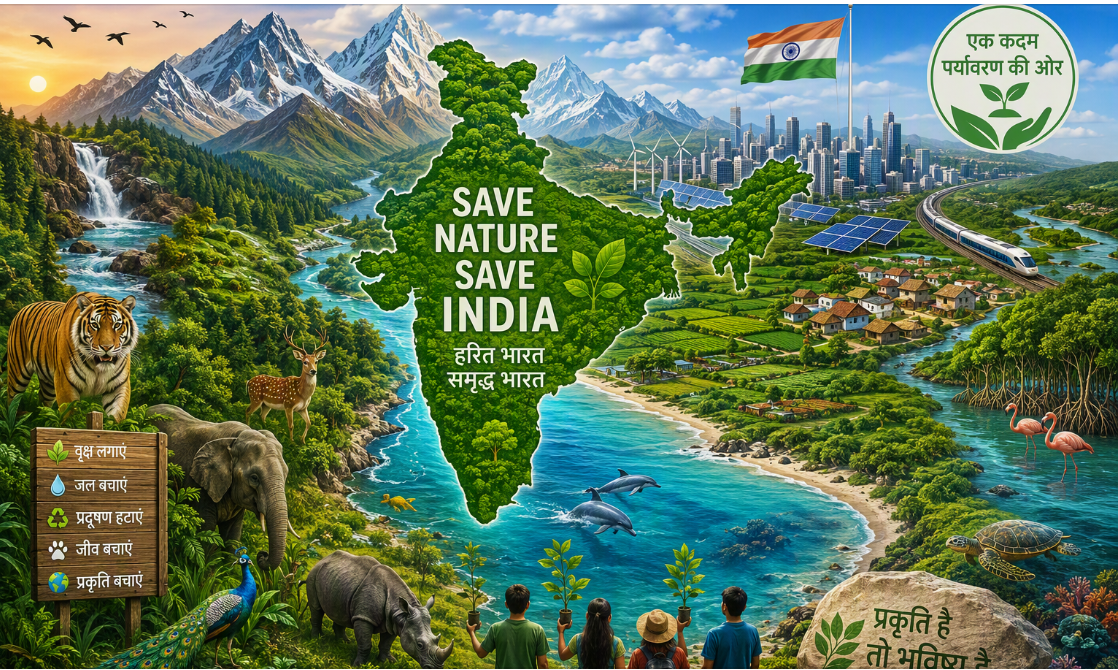
- This blog tells you about the big environmental issue topics you must know for the UPSC exam. It covers things like ecosystems, pollution, and other key ideas.
- You will find simple notes about ecosystem services, food chains, and how the world keeps balance.
- The blog talks about biodiversity loss, conservation efforts, and protected areas. These are very important for your exam.
- You will get clear details on climate change, global warming, and the most important current affairs.
- This blog has the main laws, groups that handle these issues, and talks about sustainable development. All of this will help you get ready quicker.
- This article helps you connect your usual topics with what the exam asks, both in Prelims and Mains.
Table of Contents
Introduction
The environment is now a top topic in the UPSC civil services examination. It connects what you read to what is going on in current affairs. You need to know each environmental issue. You will get help from ideas like climate change, biodiversity, pollution, and sustainable development. This topic is key for both Prelims and General Studies answer writing. If you prepare well, you will get a better score. You will also know more about it. Let us look at the big themes in environment and ecology for the upsc civil services examination.
Essential Topics in Environmental Ecology for UPSC
For the UPSC exam, most of the questions on the environment and ecology are about ecosystems, biodiversity, climate change, pollution, conservation, important laws, and sustainable development. These topics help you understand how all life on the earth is connected with land, water, air, and natural systems.
It is just as important to look at how the civil services examination links these areas with current affairs. So, do not read each environmental issue by itself. You need to show how these things tie in with new policies, protected areas, big disasters, and global deals. The next parts below will break these topics into easy and exam-ready pieces.
Understanding the Scope of Environment and Ecology
Environment and ecology show how living things and their world work together. If you want to prepare for civil services, make sure you read about living things and non-living things. You also have to know what keeps the system running. This is not just about remembering a list. It is about understanding how nature comes together as one.
The scope is wide. It includes ecosystem diversity and ecological diversity. The text also covers biodiversity conservation. There is talk about pollution and renewable energy. You will read about environmental laws and sustainable development. There is also a look at global climate issues. It shows how human activities can change the balance of nature and talks about natural resources.
For people who take the UPSC, it is good to look at the syllabus as simple ideas and how to use them. When you read about things like climate change, ecosystems, how people manage the environment, and conservation efforts, you cover most topics that come in Prelims and upsc mains.
The Importance of Environmental Ecology in UPSC General Studies
This part is important because UPSC sees the environment as a living subject. It is not just a small chapter. A lot of questions mix an environmental issue with subjects like governance, the economy, agriculture, or disaster management. So, this makes the material help you in many papers and at different times during the exam.
In upsc mains, learning about environmental ecology helps you answer questions in a better way. You will see topics like sustainable development, food security, forest conservation, pollution control, and climate action often. The topics are linked to policy and everyday actions. A good base makes it easier to use facts and see what they mean for people and their work in real life.
There is one more good thing here. If you keep up with current affairs and your ideas are clear, it can be easier to answer questions about the environment. This part can help you get better marks in General Studies. To do well, first focus on the ideas that show up a lot in both Prelims and Mains.
Key Concepts to Focus on for Prelims and Mains
A good way to be ready is to read and go over ideas that you see again and again. You should do this before you try to learn tough rules. UPSC often brings up easy topics but in a different way. If you know how the ecosystems are made and why people work to save them, you will be able to answer many questions. This helps you to not feel lost or confused.
Start by learning the main ideas of ecology and biodiversity. After that, try to connect these ideas with what is happening now. Think about places where nature is kept safe. Look at what India is doing for it. This will help you do well in MCQs and long answers both.
- Biodiversity is about the many types of life you find on earth. This includes things like genetic diversity, species diversity, and ecosystem diversity.
- There are places called protected area types, including biosphere reserves, national parks, and wildlife sanctuaries.
- Food chains, food webs, and trophic levels show the way energy moves in an ecosystem.
- Forests are important because they are strong carbon sinks. They help with carbon sequestration and support climate action.
- Renewable energy, ways to control pollution, and some big environmental laws and groups are all important for looking after the planet.
Fundamentals of Ecosystems
Ecosystems are key to the way ecology works. They show us how living things connect with air, water, soil, and each other. When you learn about ecosystems, you also see how we get clean air, good soil, and how the earth stays steady. All these are called ecosystem services.
For the UPSC exam, you will find this topic in many questions about food chains, ecological diversity, and current affairs that talk about conservation. You may see questions about the structure of an ecosystem, how it works, or how people change it. So, let’s look at the main things about ecosystems that you need to know for the exam.
Structure and Types of Ecosystems
An ecosystem is a place where living things mix with their surroundings. It has plants, animals, and tiny microbes. There is also air, water, soil, and sunlight in it. These parts work together to help life forms grow and survive.
Ecosystem diversity is split into two big groups. These are terrestrial and aquatic systems. Terrestrial ecosystems include forests, deserts, and grasslands. Aquatic ecosystems are made of freshwater and marine places. Each group has different species living in it. They each have their own balance. The way nutrients move and how things grow and live are different in each group.
UPSC often gives questions about these types. They give examples, ask for the conservation status, and talk about protected area groups such as biosphere reserves. You should know how the forest is not the same as a wetland, and how a marine system is different from a desert. If you get this clear from the start, the other topics are much easier later.
Energy Flow and Trophic Levels
Energy flow in an ecosystem begins with the sun. Green plants are producers. They use energy from the sun. All consumers get their energy from these plants. This could be directly or through other animals. Food chains and food webs help show how this energy moves between living things. This main idea comes up often in the upsc exam.
Trophic levels are places in a food chain. The first step is producers. After that, you get herbivores. Then, there are carnivores. At every step, the energy goes down because some of it is lost as heat. This means not all the energy moves to the next level. When you know about this, it helps you understand ecological diversity and how life produces in the area better.
This idea is about climate change. Plants use carbon dioxide. Forests, which are big groups of trees, act as carbon sinks. That means they help take in carbon dioxide from the air. So, when you talk about how energy moves, you also talk about global warming, carbon balance, and conservation. This is how UPSC combines different ideas in questions about the environment.
Ecological Succession and Its Significance
Ecological succession is a slow change in the mix of plants and animals over time. First, one group of living things lives in the area. Later, other types take their place. This continues until there is a stable set of plants and animals. The change can begin on empty ground or in a spot changed by nature or people.
Succession is important for UPSC. It lets you see how an ecosystem can heal and change as years go by. You get to know how a grassland changes. You can see how damaged land gets better as time goes on. It makes you understand that conservation efforts need to be patient. A quick fix will not work for this.
It is good to know that this can be used in practice. In a protected area, ecological succession makes the habitat better. It also helps with ecosystem services by keeping the soil safe and letting the ground hold water. For your exam, remember that succession is not only a theory. It is a real process. It is used to restore places, make them strong again, and take care of the environment in a good way.
What is Biodiversity UPSC – Definition, Levels, and Importance
Biodiversity means the many kinds of life you find on the earth. This includes not just different species but also the differences you see within the same species. It also is about all the ecosystems around us. For UPSC, keep in mind that biodiversity helps keep nature in balance. It also gives us many ecosystem services. People live better because of this too.
This topic matters a lot when you talk about genetic diversity, species diversity, endangered species, and reports like the IUCN red list. Biodiversity conservation is something people ask about a lot, so the next parts will cover its levels, why it’s important in India, and the threats. You should read these sections well and be ready.
Genetic, Species, and Ecosystem Diversity
Biodiversity is seen in three key ways. Genetic diversity is the changes or differences in the same group of living things. Species diversity is about how many different species there are. Ecosystem diversity talks about the types of places, systems, and groups that you find in an area.
These levels are tied together. If the genetic resources get weak, the species can be in danger. When some species go away, the ecosystem can lose its balance. That is why UPSC wants you to look at biodiversity as more than just one thing. It wants you to think of it as having many layers.
A simple table can help you revise quickly:
| Level of biodiversity | Meaning | Example-based understanding |
|---|---|---|
| Genetic diversity | Variation within one species | Different traits within crop varieties or animal populations |
| Species diversity | Variety of different species in an area | Presence of many plants, birds, insects, and mammals together |
| Ecosystem diversity | Variety of ecosystems in a region | Forests, wetlands, grasslands, deserts, and marine systems |
Role and Value of Biodiversity in India
Biodiversity is important for life in many ways, both simple and complex. It helps us have food, it lets us find medicines, and keeps soil healthy. We also get clean water and support in managing the climate. To be clear, ecosystem services work best when there is healthy biodiversity. Without this help, nature and people are not as safe or strong.
In India, biodiversity conservation is linked with farming, jobs, and food security. There are many crops, forests, and wetlands in the country. Areas with wildlife are important, too. They help protect the natural habitat and keep things balanced in the environment all over India.
For UPSC, do not think that biodiversity is only about animals in the wild. It is also linked to development, health, and life that lasts a long time. Conservation efforts are key because when biodiversity loss gets too high, it is much tougher and costs more to bring natural systems back. It is better to protect them early.
Threats and Conservation Measures for Biodiversity
Biodiversity faces big problems because of human activities. One top issue is habitat loss. Other key threats are pollution, climate change, and the spread of invasive species. These problems affect how animals and plants breed and move. Food sources can suffer, and the balance in the ecosystem can break down.
When you study for UPSC, you have to know about how India deals with biodiversity loss. India fights to stop biodiversity loss in two ways. First, there are laws for it. Second, there are actions to protect important places. Protected areas play a big role. The people also get involved, and their help matters. Both the law and the area-based plans are needed for good, lasting conservation.
- Habitat loss is caused when the trees are cut down, farms grow bigger, and cities take up more land. It is a big threat.
- Invasive species move in and force out the native ones. They break the balance in the ecosystem.
- In situ conservation helps different species stay safe in their home. Wildlife sanctuaries, national parks, and biosphere reserves are good places for them to live.
- Laws and rules protect habitats. They keep people from using natural resources too much.
- The community’s help, recycling, and making less waste all make conservation efforts stronger at the local level.
Core Issues in Climate Change for UPSC
Climate change is a main thing in getting ready for problems with the environment. It is about why climate change happens, how it impacts people, what we can do to make it slower, and the way we can deal with it. International agreements and current affairs matter a lot, too. You will need to know words like global warming, greenhouse gases, and climate action.
This topic comes up a lot because it affects the farm, water, bad events, health, and how places grow. It connects the rules for the country with ways to work together with the world, like the Paris Agreement. Now, we will talk about the key climate ideas that matter for UPSC.
Causes and Impact of Climate Change
The main reason for climate change is people putting more greenhouse gases in the air. This happens from many human activities like burning fossil fuels, cutting trees, and running different industrial processes. These actions give off carbon dioxide and several other gases. The gases stay in the air and keep heat from escaping. This makes global warming get worse.
The impacts can be seen in many ways. When the world gets hotter, glaciers and polar ice melt. This makes sea levels go up. Areas near the coast can get hurt by this. The weather is not the same as before. There are stronger storms, more floods, longer droughts, and hot weather waves. These changes make life hard for nature, plants, and animals.
For the UPSC, you need to remember the bigger picture. Climate change is not only about rising temperature. It affects food systems, water resources, and people moving from one place to another. It also changes the safety of nature. If we do not do anything now, climate change can take away all the good work we have done to save nature. This puts more stress on places and people that are already weak.
Key International Agreements and India’s Commitments
No country can fight climate change alone. That is why the world needs international cooperation and international conventions. These help the globe deal with climate change and make good plans for climate action that work for all. The UPSC also asks questions about these global climate agreements, what they do, and how India is part of these efforts.
India should be ready by learning the names of both treaties and what each one is for. You should know that one agreement is about climate change. Another is for biodiversity. A third one deals with ozone protection. It is good to see how these treaties guide what India does. Try to link them with carbon sinks, renewable energy, and sustainable development.
- The Paris Agreement deals with global climate and tells countries to act on it. It also asks everyone to join efforts to cut emissions.
- The UNFCCC gives the main way for countries to talk about climate problems.
- The Kyoto Protocol is part of these climate treaties. It is important for exams.
- The Convention on Biological Diversity wants people to keep and use biological diversity in a good manner.
- The Montreal Protocol and Kigali Amendment help save the ozone layer. They push for global action.
Adaptation, Mitigation, and Recent Developments
Mitigation means to cut the reasons for climate change. Adaptation means to change things so we can deal with the effects it brings. For UPSC, you should learn both.
Mitigation has steps like using renewable energy. It also means getting things to work well with less energy, and growing more trees.
Adaptation has steps like making roads and buildings strong. It uses better ways to farm. It gets people ready for changes in the area.
Current rules to manage the environment use different ways at the same time. A country may work to grow solar energy. It may also build things like flood defenses. This mix is important because people can now feel many effects of climate change, even while steps to slow it down are still happening.
There are many new topics in current affairs these days. You see news about climate summits, talks on net-zero, green steps, and disaster management tools. People use early warning systems, better plans, and talk about low-carbon growth for climate now. So, when you read the news, ask yourself this. Is this about change for the future, is it to lower the problem, or is it both?
Environmental Pollution – Types and Control Strategies
Pollution is a big environmental issue that affects everyone and everything. It can hurt people and other living things. If you are preparing for UPSC, you must know about air pollution and other types of pollution. You need to understand where these problems come from, how they impact us, and what steps we can take to stop them. The main types are air pollution, water contamination, soil going bad, and noise pollution.
The topic is about waste management, urban policy, industrial processes, and public health. The UPSC often asks questions that deal with real-life issues. So, the next parts will share what types of pollution there are, how pollution can affect us, and the ways policies try to make clean air and cleaner systems.
Air, Water, Soil, and Noise Pollution
Pollution happens in different forms. All kinds of pollution make the environment worse. Air pollution, which is common, often comes from cars and industrial processes. Factories and farms let out waste. This waste causes water pollution. Chemicals or trash that are put in the wrong place can lead to soil pollution. Noise pollution is found often in towns and places with many cars.
Each type of pollution starts in a different place, but they mix a lot. Bad waste management can damage land and water together. Factories often make dirty air. This bad air can hurt us when we breathe it. After that, the harmful stuff in the air comes down and it ends up in the soil and the water. That is why studying pollution means looking at how all these things are linked.
For UPSC, you need to think about cause and effect problems. Ask yourself what makes something dirty, how does it move around, and which part does it harm. This simple way helps you see facts about water resources, soil pollution, and city stress in a better light.
Effects of Pollution on Health and Ecosystems
Pollution can harm your health fast. Air pollution can hurt your lungs and heart. It can make you feel sick. It may lead to a sickness too. Bad water can bring disease that moves in water. Noise can make you feel tense. It can be bad for your ears. If the soil is not safe, the crops grown in it may not be good or safe to eat.
The harm to nature from this is serious. When pollution makes places weaker, it hurts things we need. This includes clean air, fertile land, and safe water resources. Over time, plants and animals suffer. Food production goes down. Nature also loses its power to heal itself. People will feel the loss of these ecosystem services. This loss will affect us all.
That is why pollution is not just a thing in cities. It is not only a problem with science, but it is also a big environmental issue. Pollution connects to things like public health, natural resources, and good development. When you get ready for UPSC, you should see how pollution affects people and everything around us. This will help you make your answers strong and clear.
Techniques and Policies for Pollution Control
Pollution control uses technology and the law to help get better. Cleaner ways to make things are good for the air. Tools for checking the air and city plans can be used to lower waste and cut bad gases. These things work best when strong offices are in charge. Rules also need to stay the same for a long time for the plan to go well.
India tries to fight pollution in different ways. The country uses cleaner tools and sets up new rules to help. Taking action by law is also a big part. If you want to clear UPSC, you should focus on knowing how the groups work and what actions they take to solve problems. Do not just try to remember facts. Get to know the real steps and people involved.
- Better waste management systems help us cut down on plastic, water, and land pollution.
- Growing the use of renewable energy lets us depend less on fuel that puts bad stuff in the air and land.
- Planting more trees in cities and making forests bigger help keep the air clean where there are a lot of people.
- The National Green Tribunal plays a big part in dealing with problems about the environment.
- Offices like the CPCB and MoEFCC set and keep up rules that protect the environment.
Important Environmental Acts and Governance in India
India has set rules for taking care of the environment and it is good to know them for the UPSC exam. You should read about the big laws that help people save wildlife, do forest conservation, protect national parks, and work to fight pollution. Also, you must know how we do biodiversity conservation and make sure our natural resources be safe. These laws and systems show us how India watches over protected places and looks after what it has in nature.
You need to know what the National Green Tribunal does. It is also good to learn how the pollution control groups work. The next sections will show you some main laws, important groups, and examples from India.
Major Environmental Acts (Wildlife, Forest, Biodiversity)
There are many laws in India that help keep the environment safe. The UPSC will often ask about these laws. They may ask what the laws are for, when they began, and where they are used. You do not need to read each law one by one. It is better to know what each law protects. Try to understand how all of them help take care of nature and stop people from harming it.
These laws be important because they guard some areas. They help biodiversity conservation. The laws keep pollution low. The earth needs rules, and these laws show how the government puts that into practice.
- The Wildlife Protection Act, 1972 helps keep wild animals safe. It supports the work done in wildlife sanctuaries and national parks.
- The Forest Conservation Act, 1980 was made to protect forests. It stops people from using forests in wrong ways or harming them.
- The Environment Protection Act, 1986 sets a wide rule to keep the environment safe in the country.
- The National Green Tribunal Act, 2010 started a group that gives quick answers when there are problems about the environment.
- Laws that are about biodiversity help with biodiversity conservation. They let people use living resources in a good and fair way.
Environmental Regulatory Bodies and Latest Policies
Laws alone cannot give full safety. There must be groups that watch what is going on. These groups make plans and make sure people follow the rules. In India, the Ministry of Environment, Forest and Climate Change and the Central Pollution Control Board are main groups. They set the standards and make the rules. They handle actions about the environment, climate change, and pollution.
The national green tribunal matters for the UPSC exam. It is there to fix problems to do with the environment in a quick way. The tribunal deals with law, policy, and makes sure people follow rules. Questions in the exam may be about how it helps India work or how it is a part of the country’s plans for caring for the environment.
Recent changes in rules now cover both plastic waste management and e-waste management. There is also more focus on clean tech and trying to be green. These waste management steps show how the world is changing the way it deals with the earth because of new problems. The changes also show that many countries try to work with each other. People at home now also want to protect nature for years to come.
Success Stories and Case Studies in Indian Context
Case studies help you use what you know to answer well. The UPSC looks for good examples. They show how you use your learning, not just what you remember. Indian conservation stories are helpful. You can talk about protected areas, how some animals return, and how to keep nature safe.
You can take stories from biodiversity hotspots and wetlands. You can also use what people do for some animal or plant groups. These real-world stories help you write better answers in upsc mains. They also help with current affairs and can make you cut out wrong options in Prelims.
- The Western Ghats are one of the big spots for many kinds of plants and animals. The place is important for the earth and for nature.
- Ramsar sites show why it is good to save and take care of wetlands in India. These help us remember the earth needs its water spots.
- World Heritage Sites show how nature, people, and care for the earth all stay close and help each other.
- The snow leopard is a good example for saving animals. It helps us look after high, cold mountain spots on the earth.
Conclusion
To sum up, if you want to do well in UPSC, you need to know the main points about environmental ecology. Ecosystems, climate change, biodiversity, and pollution all connect. The way these work together affects how we live now and how things will be later. Pay close attention to these big ideas, and your UPSC study will get better. You will feel more ready for both Prelims and Mains. Keep up with current affairs, and learn about the main environmental laws. Know how these rules work and how they get managed. This will make you feel more sure of yourself.
Understanding these topics is good for exams and helps you be someone who cares more about the world. If you want extra help that fits what you need, book a free consultation with our experts!
Which previous year topics are most repeated in UPSC environment questions?
In the upsc exam, you will see topics show up again and again. These include climate change, current affairs, biodiversity, protected areas, pollution, and the basics of an ecosystem. You will also read about different environmental laws. Current affairs can change the way some questions are about these things. But the main thing in environment questions is to know about key ideas, reports, agreements, and which areas help us save nature.
Where can I find concise topic-wise notes for environment and ecology UPSC preparation?
For the UPSC civil services examination, begin to make your notes based on key parts from the standard syllabus. Put your focus on topics like ecosystems, biodiversity, climate change, pollution, and laws. Once you finish that, keep adding news for current affairs. Watch for changes in policy, reports, and real-world examples of protected areas. This plan will help your environment notes be short, new, and useful for the civil services examination.
How should I study current affairs related to biodiversity and climate change for UPSC?
Read current affairs by linking each news story to a simple idea. For example, when you read about biodiversity loss, connect it to ways that people try to stop it or things we do for conservation. If you read something about climate change, think about the agreements that deal with it, actions we take to stop it, how we adjust to it, and the idea of sustainable development. This style of learning is very good for upsc mains.