Key Highlights
- International relations are in both the UPSC prelims syllabus and UPSC mains syllabus, so it is good to get ready for both at the same time.
- The main areas you should read are current affairs, foreign policy of India, foreign relations, and the big international organizations.
- You have to keep an eye on how India deals with neighbors, big powers, and developing countries.
- When you look through previous year papers, you can see which questions show up often and which topics are most important.
- Doing answer writing practice helps you do well in the mains exam.
- A focused topic list makes you save time and keeps your way of study tracked for the exam.
Table of Contents
Introduction
International relations may feel big at first and hard to begin. But it gets easier when you tie each topic to india’s foreign policy, current affairs, and the upsc mains syllabus. You do not need to remember every single detail. Just see the main points, patterns, and what really matters for india. The subject looks at our neighbors, world groups, and other things. It is best to be clear and steady as you study.
If you read the upsc mains syllabus closely and link it to current affairs, your work on international relations gets better. You learn faster, feel more sure, and feel ready for the exam. This way works well for the upsc mains syllabus, and it also builds your knowledge on international relations, india’s foreign policy, and current affairs.
International Relations in UPSC – An Overview
International relations in UPSC is about India and its neighbors. It looks at how the country works with other countries. It also covers global pacts and groups. World politics can have an effect on India. The upsc prelims syllabus asks for facts and ideas. The upsc mains syllabus wants you to write about topics. You need to see both sides and give a clear view.
So, what are the important topics here? You should start with India’s foreign relations. Be sure to read about recent developments too. It is good to pay attention to international organizations. You should also look at global challenges in the world. Try to know about India’s role in changing world politics. The next parts will explain each of these topics in a clear way.
Significance of International Relations for UPSC Candidates
International relations matters because it links india’s foreign policy to things that happen in real life. In the UPSC exam, this topic is not on its own. You will see it come up with parts like governance, the economy, security, and essay topics. This is why the upsc mains syllabus always gives a space to international relations.
Another reason is these questions matter to us. Many of them are about global challenges like climate change, terrorism, and migration. They also look at the new ways power is shared in the world. India is one of the developing countries. Its role in the world and how it works with other countries or on big platforms are always popular topics for both Prelims and Mains.
If you want to be ready in a good way, you should start by knowing the syllabus well. As you read, make notes for each topic. Try to link what you study with India’s interests, what is going on now, and what could come up in the future. This will help you with international relations. It will also make it easier for you to read again and write about all these things.
Understanding the Scope of International Relations in UPSC
The subject of international relations in UPSC is bigger than many people think. It covers India and nearby countries. You will learn about how they have bilateral ties, and how India is part of regional groupings and global groupings. It also talks about big deals that matter to India. There is more on foreign relations with large countries. The scope includes knowing about connections with other areas that are far away too.
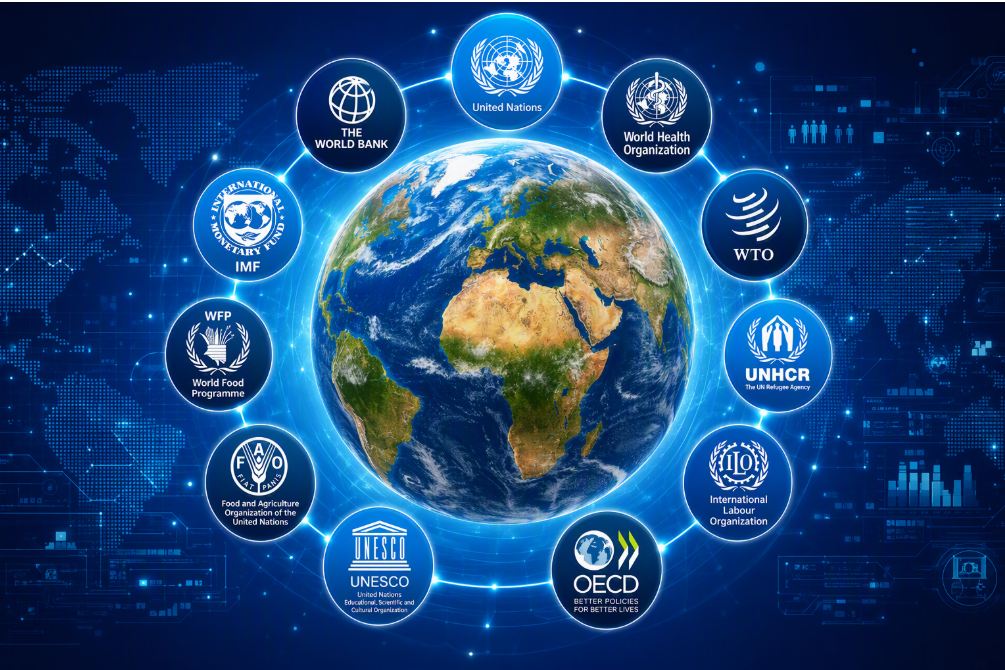
You should know about international organizations and how they work. Find out what their main jobs are and what role they play. Groups like the United Nations, BRICS, WTO, and IMF are still very important in this area. Things like global governance also come up with these topics.
You may get questions about the global compact on migration and climate change. Make sure you know about these, because they often show up on tests about international organizations.
For the Mains exam, you have to know more about foreign policy. The syllabus goes deeper into how India’s foreign policy has changed over the years. You will read about some key choices and find out what the Indian diaspora cares about. You will also learn about big changes in the world. The main goal is to see if you can connect events, interests, and the direction of India’s foreign policy together. You need to be able to explain all these points clearly.
KeyTerms in International Relations UPSC Preparation
Getting to know key words is important if you want to do well in your international relations UPSC exam. There are words that often come up, like bilateral ties, foreign policy, and regional cooperation. You will find these words used a lot when people talk about India’s foreign relations. It is also helpful to understand how the United Nations, World Trade Organization, and Asian Development Bank work. The way these groups move can shape how countries work together and help economic growth.
You should read about current affairs and recent developments, like things happening in Sri Lanka or problems in the South China Sea. A deep look into these topics will make your knowledge strong. When you read about developing countries and look at how India works with international organizations, you will feel more ready. If you keep up with these things and use them in your study, you can do well in your international relations exam.
UPSC Syllabus for International Relations
The official text says that the UPSC prelims syllabus wants to see how much you know about current affairs, India’s foreign policy, the world bank, and key events. Many questions may seem like they are just asking for facts. But if you look closer, you will find they also test how sure you are about these ideas.
The upsc mains syllabus goes over more topics and looks at them in detail. It talks about how India works with nearby countries. It covers different groups, pacts, both developed and developing countries, the indian diaspora, and other groups or offices. When you read previous year papers, you will see that these points turn into real questions.
International Relations in Prelims Syllabus
In the UPSC prelims syllabus, international relations is a topic that often has questions about the latest news. You may get marks if you know simple facts and can notice links between countries, some groups, or even new plans. It helps to read news about bilateral ties, important meetings, and new deals between nations.
Questions can ask about a regional organization, its members, what the group does, or where it is based. You may also get questions about India’s foreign policy. This can include its ideas about its neighbors, the world powers, or other big issues in the world. This is why you need more than just remembering facts to do well. You need to know about foreign policy, india’s foreign policy, and regional organization.
Focus on India’s neighborhood, big international organizations, close ties with key countries, and main groups like BRICS, SCO, ASEAN, SAARC, and BIMSTEC. Go through each one with short notes. This will help you remember facts before the exam.
India is in a busy spot in Asia. It shares borders with several countries. Its ties with the neighbors can be friendly or tense, so this shapes its plans.
India is part of many international organizations. Here are some main groups:
- BRICS: This group has five countries — Brazil, Russia, India, China, and South Africa. They work together on money, development, and tough issues.
- SCO: The Shanghai Cooperation Organization is mostly focused on security and defense. It includes India, China, Russia, and other countries from Asia.
- ASEAN: India keeps good ties with the Association of Southeast Asian Nations. It works with these ten countries for trade and development.
- SAARC: South Asian Association for Regional Cooperation links India to its neighbors. They talk about trade, health, and other plans for the region.
- BIMSTEC: The Bay of Bengal Initiative for Multi-Sectoral Technical and Economic Cooperation covers several countries. They work together on transport, trade, and development.
India also works closely with key countries for its own development and safety. These groups help India keep up with others in the world and solve big problems.
Reading these short notes about international organizations and groups will make it quicker for you to
International Relations in Mains Syllabus
The upsc mains syllabus asks you to explain different topics and look into them closely. You need to write about India and the countries nearby. You have to talk about bilateral ties, regional cooperation, and big world groups that change what India wants. The syllabus also says you should know how the rules and actions of developed and developing countries can affect India.
A good Mains answer should have more than just facts. You need to show the link between foreign policy and areas like security, trade, the people living abroad, and steps for the future. When you talk about india’s foreign policy, ideas like NAM, Look East, and the Gujral Doctrine are very useful to explain this.
Mains is also about knowing different subjects. There can be questions on climate problems, migration, terrorism, maritime security, or changes in big groups. So, you need to match topics from the syllabus with what is happening now. Make it easy to read. This will help you be ready to answer when needed.
Syllabus Breakdown and Weightage Analysis
If you read previous year papers, you will start to see there is a pattern. The upsc prelims syllabus mostly has questions about things like institutions, memberships, places, agreements, and what is new right now. The upsc mains syllabus is more about things to do with India’s neighbors, big issues, and checking out policies.
You do not need to know the exact numbers for each year to see what happens over time. Some things keep coming up because they are important in India. That is why getting ready by picking topics helps more than just reading anything you see.
| Area | Prelims Focus | Mains Focus |
|---|---|---|
| Neighborhood | Basic facts, border issues, projects | Strategic impact, challenges, way forward |
| Institutions | Membership, mandate, structure | Relevance, reform, India’s role |
| Bilateral ties | Recent visits and agreements | Opportunities, tensions, policy balance |
| Global issues | Terms and initiatives | Analytical discussion and implications |
Essential Topics for International Relations – Prelims
For the upsc prelims syllabus, it is good to keep your study list short and simple. Go over india’s foreign policy again and again. Look at the united nations and other big international organizations. You should also know each regional organization that is linked to india. In recent years, you will see that many questions are about recent events and not just old facts.
You need to read about neighbors, big bilateral ties, changes that follow summits, and how things are set up in a basic way. These topics can help you do well if you read them fully.
India’s Foreign Policy and Diplomatic Initiatives
The foreign policy of India is key for Prelims and Mains. The syllabus shows that India’s foreign policy has changed as time goes by. It also talks about the problems India faces now. You have to know the main ideas. These are Neighborhood First, Act East, Link West, Indian Ocean outreach, and how India works with other middle powers.
Recent developments matter a lot. Plans that countries make about defense, nuclear rules, space work, and using soft power can come up in direct or indirect questions. If you see a global initiative that has India in it, do not skip it when you go over your notes.
A simple way to do this is to write a one-page note for every initiative. In this note, talk about the main goal. Say what area it is in, why the project is important, and the problems it may have. This will help you keep the notes short and easy to read. This way, the topic will not feel too big or hard to get.
Major Bilateral Relations
Major bilateral ties are very important for India’s foreign policy. In recent years, the UPSC has paid a lot of attention to India’s relationships with the United States, China, Russia, Japan, Australia, Bangladesh, Nepal, and Sri Lanka. These ties have an effect on trade, safety, and how things stay balanced in the region.
China-related topics need more focus. Things like border problems, the Belt and Road Initiative, CPEC, trade gap, and the south china sea are often part of the larger syllabus. India is also in these topics, and its worries are important too.
With the United States, you can talk about these:
- defense work
- sanctions
- 2+2 talks
- working together on nuclear things
- plan for Asia
Making short lists helps. It will be more easy for you to go back and read everything when you do your study work.
International Organizations and Key Institutions
International organizations play a big role in dealing with facts and detailed questions. You need to know what the United Nations and other money groups do. It is also good to learn how these groups are set up and how India is a part of them. Along with the United Nations, there are groups in the region that are just as important for the UPSC.
A simple grouped way works well. You can look at global bodies, financial institutions, and regional forums one by one. Then, see how each one connects to India’s interests. Also, check what has happened between India and these groups recently.
- United Nations: This group works all over the world for peace, safety, and helps countries work together.
- World Bank: It gives money to help countries grow and do better.
- SAARC: This is for South Asian countries. It has made some progress, but not all things are going well.
- BRICS and New Development Bank: These groups give more ways of funding. They also help countries talk and work with each other.
- Shanghai Cooperation Organisation: It deals with safety matters. It brings countries in Eurasia together.
- BIMSTEC: Many people now see this group as a real and useful way for countries in the area to join and work together.
Essential Topics for International Relations – Mains
The upsc mains syllabus is there to make you understand issues, not just to remember facts. So, it is good to focus on a few key things when you read, like india’s foreign policy, how India works with countries near it, the indian diaspora, climate change, big groups where many countries talk and work with each other, and what people say about how the security council should change.
You should be ready to talk about regional groups, deals with other countries near us, and big plans that matter for the country. It is good to know about these things. That way, you will feel sure when you answer current affairs questions in your exam or see them in your syllabus.
India and Its Neighbors
India and the countries around it are an important part of the Mains exams. You will see questions on this topic in the exams as it is part of the syllabus. You need to know about foreign policy. It is good to feel sure about india’s foreign policy with Pakistan, Bangladesh, Nepal, Bhutan, Myanmar, Maldives, and Sri Lanka.
Each case has its own issues. India and Pakistan face problems at the border. They also have concerns about J&K, terrorism, and sharing water. India and Bangladesh work to fix how water is shared, how people move across the border, and how the two countries stay connected. With Sri Lanka, the main problems are with fishermen, rights for Tamils and other groups, and who holds power in the region.
The best way to get ready is to make notes for each country. In these notes, write about places where both work together. Add points for where they do not agree. Talk about any recent developments. Also, say why the relationship is important for India’s safety and its spot in the region.
India and Extended Neighborhood
India does not just care about what happens inside its borders. The topics in the syllabus show that India is also interested in central asia, West Asia, ASEAN, and some countries like Saudi Arabia, Iran, Israel, Indonesia, Vietnam, Japan, and Australia. These good connections help India get energy, and they also make ties and plans for the future stronger.
Central Asia is important for projects that link different places. Examples of these projects are INSTC, the Ashgabat Agreement, and TAPI. West Asia is also a key area. The reason is that this area gives energy and has many people who move for work. It also helps keep a balance of power in the region. Saudi Arabia and the United Arab Emirates still play big parts here. Both of them are also connected with central asia.
You may be asked about Asian relations in general. South Korea might not be in the materials, but you should still focus on the areas and main ideas given. This will help keep your foreign policy review good and helpful.
Regional Groupings and Agreements
Regional cooperation often comes up in the UPSC exam. India is part of many regional organizations. A regional organization matters for trade, travel between places, safety, and talking with other countries. You should know the goal of each regional organization and how it shapes India’s choices.
Try to learn about these groups by seeing what they do. A few groups look at South Asia. A few talk about Eurasia. A few study the Indo-Pacific area. The deals and pacts tied to these groups show up in Mains talks.
- SAARC: This is a platform in South Asia, but it has not made much progress.
- BIMSTEC: This group acts as a good link between South Asia and Southeast Asia.
- BBIN: This works well for small-group connection in the region.
- Shanghai Cooperation Organisation: This plays a big part in talks and working with Eurasia. It is also important for security discussions.
- ASEAN-led platforms: These help with regional cooperation and keep things balanced in the area.
- RCEP-related debates: These talks help people know why India is careful about trade.
Current Affairs and International Relations
Current affairs are important for studying international relations. In the UPSC prelims syllabus, these help to make questions about facts. This includes institutions, meetings, and agreements. For the Mains exam, recent developments make it possible for UPSC to ask questions based on ideas. These ideas link India’s foreign policy with things happening now in the world.
You should not think that IR stays the same all the time. Try to keep up with important news about the United Nations. Watch news about ties with neighbors, talks in your region, and big changes that may affect India.
How Current Affairs Influence UPSC Questions
Current affairs can take old topics and make them part of new questions in exams. The United Nations is not a new subject. But when there is a big meeting, a call for a change, or new trouble, it can be very important for both the UPSC prelims syllabus and the UPSC mains syllabus. That is why you should have a plan when you read newspapers for current affairs.
For the Prelims, current affairs help you get better at learning facts. For the Mains, current affairs give you more knowledge and real-life examples. Topics like climate change, migration, terrorism, sanctions, and sea issues often are in the news. These topics may show up as questions where you need to write long answers.
It is good to ask yourself each day, how does this event affect India? When you know the answer, you will get the main idea for a strong Mains answer. This way, you will also remember things better for Prelims.
Trends in Recent Events and Global Developments
In the last few years, the world has seen new things happen in international relations. The UPSC now likes to ask about topics that stay important for a long time. This includes things like climate change, people moving to new places, protectionism, terrorism, Indo-Pacific competition, and the way big groups change or work. It is easy to connect these topics with India’s international relations.
Another thing people look at now is how there is more focus on developing countries. People notice that there are many powers in the world. The questions are not always about just one event. They also ask about the big effect on India’s interests. So, it is good to know the background. Do not just read the headline.
Ignore things that are not about your studies. Words such as world champion or well-known sports people do not belong with your main IR topics. Only add them if they connect with diplomacy. Right now, the information does not link them like that. Stay on track, and choose things found in your syllabus.
Integrating News Analysis in Your Preparation
News is useful when you can understand it. If you read news without sorting it, you feel overloaded. A simple system can help you with the upsc prelims syllabus and the upsc mains syllabus. This is why smart notes matter.
Try to keep separate pages for things like institutions, the area, big countries, and world problems. You need to add only current affairs that may be in the exam. Don’t add every news headline. Go through your notes every week. Use what you know when you practice answer writing.
- Write the issue in one line.
- Note the countries or institutions involved.
- Add why it matters for India.
- Mention one challenge or concern.
- Revise the point into a 50-word mains-ready note.
Previous Year Questions – International Relations
Previous year papers are helpful when you get ready for IR. These papers show how the upsc prelims syllabus turns ideas, events, and places into MCQs. You will see that the upsc mains syllabus gives questions that make you think more about india’s foreign policy and its ties with other countries. Using previous year papers helps you feel more sure about what will be asked from both the upsc prelims syllabus and upsc mains syllabus.
You may not get the same question again. But the main ideas do come up many times. That’s why it is good to read old questions. Sorting them by topic can help you learn better.
Analysis of UPSC Prelims Questions (2025–2014)
In the last few years, questions in Prelims about international relations ask about groups, organizations, deals, and news. The way they ask the question may be different. But what they ask about stays the same most of the time. This is why studying by topic helps so much.
international relations, current affairs
You can see another pattern here. The UPSC likes to choose questions about ideas that be important to people in India. The topics are not just chosen without reason. Most often, they be about things like membership, the mandate, where a place is, or why something matters to India at this time. UPSC connects the questions to what is going on now.
| Question Area | Common Pattern |
|---|---|
| International organizations | Membership, mandate, voting, structure |
| Regional forums | Member countries and purpose |
| Bilateral issues | Location-based or agreement-based facts |
| Global issues | Terms, conventions, and policy relevance |
| India-linked events | Summits, initiatives, and strategic outcomes |
Question Patterns in Mains (2025–2014)
In the UPSC mains syllabus, you will see many questions about foreign policy. India’s foreign policy is a common topic. You will read questions on how India works with its neighbors and big countries. There are also questions about India joining groups in the region. These topics change each year with new words, but the main ideas do not change much. So, it is easier to spot patterns in the questions than to see the same question come up again.
Themes about issues come up again and again. These are things like climate change, people moving to different countries (diaspora), problems with the sea, terrorism, working with other countries, and keeping things safe for everyone. The UPSC wants you to look at how India deals with all these things, not just say the facts. Usually, you may need to look deeper and talk about what India does for them.
Answer writing practice is very important. You should make flexible introductions. Use balanced body points. Write a practical conclusion. This way, you can handle many types of questions. It will help, even if the topic showed up in older papers before.
Frequently Repeated Topics in UPSC Exams
Some topics keep coming up because they are important to India’s interests outside the country. If you do not have much time, you should start with these important topics. Take your time to read them well, and try to understand them. These topics help people remember details and make strong answers that look at ideas in a clear way.
Use previous year papers to see how one idea can look different each time. One year, it may ask for only facts. In another year, you may need to look at it more, say what you feel, or talk about steps that can be taken.
- India and its neighbors
- International organizations and how they are changing
- United Nations and issues about the Security Council
- Basics of World Bank, IMF, and WTO
- Regional cooperation through SAARC, BIMSTEC, ASEAN, and SCO
- How India’s foreign policy has changed over time and what are the main things it focuses on now
Major International Organizations Relevant to UPSC
Major international organizations matter a lot. They go through tests in ways that you can see and in ways that you cannot see. For the upsc prelims syllabus, you need to know how these groups are set up. It is important to know their mandate and who the member states are. For Mains, you must understand why they are needed, what people say about making changes to them, and how India works in them.
The United Nations, the World Bank, IMF, WTO, BRICS groups, and some other groups need to be looked at closely. The next parts will make it easier for you. They sort each group in a simple way.
United Nations and Specialized Agencies
The United Nations is something you should know well for UPSC. You need to get what its principal organs are and what they do. There are talks on how to make the United Nations better. The Security Council is a key part. A lot of questions are about world peace, new rules, or India asking for change.
Specialized agencies are part of news when they step in and help. One example is the World Health Organization. Health issues, helping during tough times, and countries coming together can make these tests needed fast. Human rights groups and the things they say can be part of talks as well.
For Mains, do not write only about the structure of the United Nations. You should talk about why the united nations is still helpful. There are the good things the united nations does, and the places where it does not work well. You also need to explain how India works with the united nations. Write about changing rules, keeping peace, movement of people, and following world laws.
World Bank, IMF, WTO, and Other Financial Institutions
Financial institutions are important in UPSC exams. They connect world governance with economic growth. For Prelims, you have to understand what these institutions do and how each one works differently. In Mains, you need to know why people discuss updates in these institutions. You should also learn how these changes affect India and the world.
See them as one group, but make sure each role is easy to tell apart. This helps you answer questions about facts and compare things. You will not get confused by mixing them up.
- World Bank: The World Bank helps people get money for projects and gives support to make development happen.
- International Monetary Fund: The International Monetary Fund works to keep money stable and helps when balance is a problem.
- World Trade Organization: The World Trade Organization makes sure trade rules are followed and helps sort out fights about trade.
- Asian Development Bank: The Asian Development Bank gives money for development work in the area.
- Asian Infrastructure Investment Bank: The Asian Infrastructure Investment Bank gives cash to build roads, bridges, and other big things. It works with many countries.
- New Development Bank: The New Development Bank is driven by BRICS countries and offers them another way to get money.
These groups, like the world bank, new development bank, international monetary fund, world trade organization, asian development bank, and asian infrastructure investment bank, all play big roles in finance and development.
Regional Organizations – ASEAN, SAARC, EU, etc.
A regional organization is a topic that is often in the UPSC exam. India has its own way to deal with each regional organization. You should know the main goal of each one, where it works, and why India cares about it or keeps an eye on it. This is a must-know for Prelims and Mains.
Regional platforms prove that geopolitics keeps changing all the time. These platforms help people come together in different ways. Some support trade between countries. Others provide a place for talks about safety and security. The UPSC often wants to know why these platforms exist and how they help in real life.
- SAARC: This group helps South Asian countries work together. But it faces some political problems.
- ASEAN: This group is key for India’s Act East policy.
- European Union: This one is important for trade and for making plans together.
- BIMSTEC: A group that ties South Asia and Southeast Asia.
- Shanghai Cooperation Organisation: A group in Eurasia where security is an important issue.
- BRICS: A bigger group that looks at both political and money matters.
India’s Foreign Policy – Fundamentals
To understand international relations, you need to know the basics of India’s foreign policy first. India’s foreign policy comes from the country’s history, where it is, its need for safety, development goals, and the way world politics change. This base makes it easier to know and make sense of recent developments.
Indian foreign policy does not stay the same. A global initiative can make it shift. A crisis in the region or a new plan with another country can do the same.
The next parts will show how Indian foreign policy has changed with time. They will also talk about the goals that now guide it.
Evolution of India’s Foreign Policy
The way the foreign policy of India has changed over time is very important for the Mains exam. The syllabus talks about NAM, Look East, and the Gujral Doctrine. All these topics are linked. They show how India’s foreign policy and its work with other countries changed as the world changed.
During the Cold War, India tried to be in charge of its own plans. At that time, India also had to deal with problems close to home. India talked for developing countries, and this made it different in world politics. That history is still good to use now. It shows why India does what it does today.
India changed its path as the world around it shifted. The country brought in new outreach plans. It used a hands-on approach for diplomacy. When you work on this part, break it down into clear steps. Start with the early phase of autonomy. Next, talk about the time of regional engagement. After that, look at the broader phase of strategic links. Last, focus on today, the stage where contemporary realism is key.
Principles and Objectives
India’s foreign policy is made with some clear goals in mind. These goals do not change much, even when new governments come or things happen in the world. If you know these ideas, you can write good Mains answers. You will be able to talk about not only what India does in its foreign policy, but also why it makes those choices.
These goals can help you put your answers in order. You do not have to tell about every event one by one. You can show how each event ties to big goals for your country and keeping your plan steady as time goes on.
- Work to protect the national interest and keep control over our own choices.
- Help bring peace, make things stable, and keep the region balanced.
- Support growth by using trade, energy, and better ways to connect.
- Take on global challenges, like acts of terror and problems with the climate.
- Talk about human rights and what we owe to the world.
Recent Shifts in Approach
Recent changes show that India’s foreign policy is now more about real events and problems. The new way looks at things that matter and choices that are in front of us. Some main ideas are realpolitik, working with other countries in the Indian Ocean, defense diplomacy, space diplomacy, and making ties with other middle powers. These changes in India’s foreign policy are important. People should take note of them, especially for Mains analysis.
You can also see there is now more focus on economic cooperation and how countries work together. Connections with central asia, West Asia, ASEAN, and big powers are not only about strategy now. They also include trade, energy, and the way people build things like roads and other types of infrastructure.
Right now, India takes part in big talks happening in the world. These talks include the movement of people with the global compact. India also works with other countries to bring change and deal with weather problems. This shows that India uses a way to make rules that is open. It works for its needs, and it takes part in things that happen nearby.
India and Its Neighbors
India’s foreign policy has some of its toughest tests with the countries that are close to it. The way India handles its ties with Pakistan, Bangladesh, Nepal, Bhutan, Myanmar, the Maldives, and Sri Lanka is key. These bonds can shape the security, trade, movement of people, and how India is seen in the region.
The Indian Ocean Region gives us some new problems to think about. These problems happen because of sea power and different groups fighting over small islands. If you get ready for topics about people who live close to you, you will also learn about one of the best parts of international relations for the UPSC exam.
India-Pakistan Relations
India and Pakistan have always had a close link. There is a long story between the two. Some big issues shape their bond, like border fights, Jammu & Kashmir, and terror groups that begin in Pakistan. The sharing of river water, and the control over Gilgit-Baltistan also matter. The China-Pakistan Economic Corridor in PoK is another focus point. Because of these things, India’s foreign policy and india’s foreign policy choices are shaped.
Regional cooperation in South Asia is helped or hurt by how India and Pakistan get along. When these two countries have trouble, people across the area feel the impact. So, issues between India and Pakistan are bigger than just them. What they do or say can affect life for all in the region.
In Mains, try to write in a way that shows both sides. If there are safety worries, make that clear. At the same time, show how the land, the history, and steady ties over the years make this relationship strong. Even when there are global challenges or when talks stop, these things keep the bond important.
India-China Relations
India and China are very important in UPSC studies. This is due to their problems, such as border disputes, trade issues, and how they compete for power in their region and in other parts of the world. These notes look at the border problem, the string of pearls about China, BRI, CPEC, trade difference, Malacca issue, and worries on how both countries use water from Tibet.
The South China Sea is a big deal. China does not like India being there. This is one of many problems in the Indo-Pacific area. The way India and China work together is not just about where their border is. It is also about money and who has more power.
Both of these are developing countries. There are many interests that they share. There are also some interests that do not match. This balance makes this a good topic for Mains. If you take a deep and clear look at this issue, it can help you do well.
India-Bangladesh, India-Nepal, and India-Sri Lanka Relations
These three relationships matter a lot. They connect what happens at the borders each day with plans for the future. India’s foreign policy toward Bangladesh, Nepal, and Sri Lanka helps people trust each other in the region. It also shapes how people feel about India’s role in the Indian Ocean Region. This policy is important for how things work in the Indian Ocean.
Each country has its own problems. When you look at these while studying, it helps you when you review later. Your answers for Mains will be more clear and better organized.
- India and Bangladesh work together to share water, deal with people moving across borders, find better ways to connect, and help development.
- India and Nepal have a relationship that changes with time. They have talked about worries with the Constitution. The two also work together on water and hydropower.
- India and Sri Lanka talk about problems faced by fishermen and about Tamil rights. They both also feel strong pressure from outside countries who want more power in the sri lanka region.
- China is a big part of all three relationships.
- This region is important because of trade, keeping borders safe, and because the sea, especially around sri lanka, is so important.
Strategies for Answer Writing in International Relations
Good IR preparation needs answer writing practice. The upsc mains syllabus wants answers with structure and balance. Answers should connect well to the topic. The upsc prelims syllabus gives the main facts you need. You must use both upsc mains syllabus and upsc prelims syllabus to do well.
When you write, use words from the syllabus. Make sure you show how the issues be tied to India’s interests. Support each point with good examples like the World Bank, any regional groups, or events that happen around. A clear structure can help you get more marks.
Structuring Answers for UPSC Mains
A good answer for international relations should be easy to read and clear. The upsc mains syllabus wants you to talk about what is important. It is not looking for fancy words. Start by saying what the question is about. Then, talk about India and give your thoughts based on that.
Answer writing practice helps you get into a good habit. Try to have the same format each time, and this will save you time during the exam. Use examples only when they help you explain the point, such as when you talk about the World Bank, BRICS, or what is going on around us in nearby regions.
- Start with a short background line.
- Say what the issue or the relationship is in a clear way.
- Tell why it is important for India.
- Talk about the main problems or limits.
- Give a recent example.
- End with a fair and simple finish.
Effective Use of Maps, Diagrams, and Examples
Small pictures can make an IR answer better if you use them well. In the upsc mains syllabus, you can add a simple map or sketch in your answer. This can help you stand out. It works well when you write about the Indian Ocean, show how countries are near each other, or talk about regional cooperation. Be sure to keep these drawings easy and quick to make.
Examples can be useful for you. Current affairs let you use stories from real life. You can use them for pacts, problems at sea, moving to a new place, and rules or groups that change. A clear example from real life makes the big idea feel simple and helps people trust it.
You should not use visuals all the time. A map can help show the answer, but you need to explain things too. Maps are good when the place matters. For example, use a map when talking about the Indian Ocean, South Asia, central asia routes, or Indo-Pacific links.
Common Mistakes to Avoid in IR Answers
Many students know the topic well, but they still lose marks because of simple mistakes. In international relations, the upsc mains syllabus wants answers that are clear and fair. If your answer is too emotional, not clear, or repeats the same ideas, it will not be strong.
In recent years, the UPSC wants clear and simple answers that stay on the topic. For your answer writing practice, you need to keep your ideas clear. Use a good structure and put in things that matter for India. You do not have to add long stories from the past. Just talk about what matters and get to the point.
- Do not leave out the key word that is given in the question.
- Do not write your answer such that it reads like news.
- Do not forget to talk about India’s interests or what India plans to do.
- Do not make your answer only about facts and forget your own thinking.
- Do not say the same thing again using different words.
- Do not end the answer before you share a fair and balanced end.
Notes, Resources, and Study Material for International Relations
To get ready for the UPSC exam, you need good notes and study material for international relations. Start with current affairs articles on foreign policy. Try to find news about how India’s foreign policy is changing and about the Indian diaspora. Be sure to read reports from big international organizations like the World Bank and the International Monetary Fund. Have notes on topics like the South China Sea, climate change, and other important subjects. Remember to read about new events and some old stories, like the Cold War. It will also help to read compilations and practice with previous year papers. This will make you feel more ready to take the exam.
Best Books for International Relations UPSC
Exploring literature is a big step if you want to get good at international relations for your UPSC studies. You can start with “International Relations” by P. Chandra. This book makes the basic ideas easy to read and understand. After that, read “The Oxford Handbook of International Relations” if you want to know more about how things work in the world.
“India’s Foreign Policy” by Rajiv Sikri will help you know about india’s foreign policy. This book shows the country’s place in world matters. If you want to read about current affairs and learn the big ideas, read “Global Politics” by Jenny Edkins and Maja Zehfuss.
All these books help you learn more about foreign policy, international relations, international organizations, and the main global challenges people talk about today. They are helpful for both your prelims and mains exams.
Recommended Online Sources and Compilations
There are many good places online where you can learn about international relations, especially if you are getting ready for the UPSC exam. You can go to the United Nations’ official website. On this site, you will find facts about global policies and how member states work with each other. The World Bank site is also helpful. It can show you how economic cooperation takes place between countries.
There are also platforms like Lok Sabha TV and Rajya Sabha TV. They have many shows about foreign policy and current affairs. These shows can help you see how India deals with other countries around the world. For even more help, you can try educational websites made for UPSC students. These portals have notes on recent developments and other important topics. Using these will help you keep up-to-date and feel ready for your exam.
Tips for Making Concise Notes
Effective note-making is important when you study international relations for the UPSC exam. Try to write down the main points. Make sure you mark new events and big changes related to Sri Lanka, the United States, and India’s foreign policy.
Use bullet points to keep your notes clear, so they are easy to read. This helps a lot with big topics, like maritime security and the things done by international organizations like the UN Security Council.
Adding things like mind maps can help you remember. Get used to making short notes. Look over previous year papers often, so you can spot the important topics more easily. This way, your notes for international relations and current affairs will stay on topic and will not feel too big to read.
Conclusion
Learning about international relations for the UPSC exam can feel good but also a bit hard at times. You will find it gets easier when you have good notes, study materials, and other resources with you. These the things will help you learn about foreign policy, current affairs, and the main problems that the world faces. It is important to read and focus on important topics, like india’s foreign policy and its ties with member states. This helps you know more and feel ready for the test.
If you want to get better in your studies, you should read every day. Also practice by writing your answers and going over previous year papers. These steps will help you use what you know, and feel more sure when you read about international relations on the UPSC exam. Good luck to you!
Frequently Asked Questions
What are the most important topics to focus on for international relations in UPSC?
Key topics to study for international relations in UPSC include the main ideas behind how countries work with each other, what shapes India’s foreign policy, how world leaders deal with big issues, groups such as ASEAN and SAARC, and some key deals between countries. It is also good to stay up to date with what happens in the world and think about how it matters for India. Learning these points will give you a solid plan to get ready for the test.
How should I approach current affairs for international relations in UPSC exams?
To get better at international relations and stay up to date with current affairs, read the news every day. Also, look at journals that talk about these topics. Listen to what the experts say and join in their talks when you can. Try to think about how each event might change world politics. Write down short and clear notes. You can later use these notes when you read for your UPSC exams.
Where can I find reliable study material for international relations UPSC preparation?
You can find good study material for international relations UPSC preparation from few places. There are trusted websites, online classes, and government reports you can use. Libraries have books and journals too. These sources cover the main ideas in international relations that you need to learn for the UPSC exam.