Key Highlights
- The women’s movement in India started when people wanted to stop child marriage and sati. They also wanted to change the rules about widow remarriage.
- Early social reformers worked for the women. They helped with women’s rights by pushing for more female education and new laws. They also spoke out in open places.
- Indian women joined the national movement. They saw freedom as a fight for political rights and gender equality.
- After 1947, the constitution of India helped build equal rights. But the work on social reform was not over and needed to go on.
- Over time, the women’s movement dealt with more issues. This included domestic violence, sexual harassment, dowry, and wanting women to get a real voice.
- Women’s groups like AIWC and SEWA made the fight for justice grow. They brought in more people and shared new ideas.
Table of Contents
Introduction
The women’s movement in India is a key event to know in modern Indian history. It is also something important for UPSC exams. The women’s movement tells us how the women’s status changed in India. There was lots of change because of social reform, politics, and legal battles. The movement kept getting bigger as people spoke up against bad customs. They asked for equal rights for the women. If you want to understand Indian society, this topic will help you. You get to know how reform, the women’s movement, nationalism, updates in the constitution, and current gender matters are linked.
Historical Overview of Women’s Movements in India
The women’s movement in India did not happen all at once. It grew slowly over time. At first, people linked it with the larger reform movement that talked about the status of women. Social reformers saw many social evils like child marriage, sati, polygamy, purdah, and not allowing widow remarriage. The reformers wanted to make Indian society better for the women.
Over time, the women’s movement in India got bigger. It started with social reform. Then it became part of the fight for the nation. The movement helped open talks about rights. Later, it focused on making laws more equal. It worked for welfare. It also looked at how people join in society. To find out more about how the indian women’s movement changed, we need to look at the key parts of its history.
Early Reform Movements and the Quest for Women’s Rights
In the 19th century, the Indian women’s movement got its first push from the social reform movement. At that time, India was under British rule. A few social reformers helped to point out many wrong things in Indian society. Many young girls and women had their lives changed because of these social evils. Some problems were the practice of sati, child marriage, polygamy, and ban on widow remarriage. The reform movement wanted to stop these issues for all indian women.
Raja Ram Mohan Roy was against the practice of sati. He spoke up for women’s rights, widow remarriage, and female education. He wanted social reform to help women, and he worked on this with the Brahmo Samaj. Ishwar Chandra Vidyasagar, often called Ishwar Chandra, worked hard for widow remarriage as well. His efforts led to the Widow Remarriage Act of 1856 becoming law.
These reformers, including Raja Ram Mohan Roy and Ishwar Chandra Vidyasagar, wanted the age of consent to go up. They saw that child marriage was not good for young girls. They kept fighting to make life better for all women and to get them more rights.
Later, Arya Samaj, led by Dayanand Saraswathi, began to help grow women’s education. They opened Arya Kanya Patasalas for girls to learn at. This reform movement did not give women full political rights. But it made room for change in the future. It made people pay more attention to women’s issues, social welfare, and the idea that women could lead. Annie Besant joined this work later. She helped bring these efforts to a larger public stage.
Women’s Participation in the Nationalist Movement
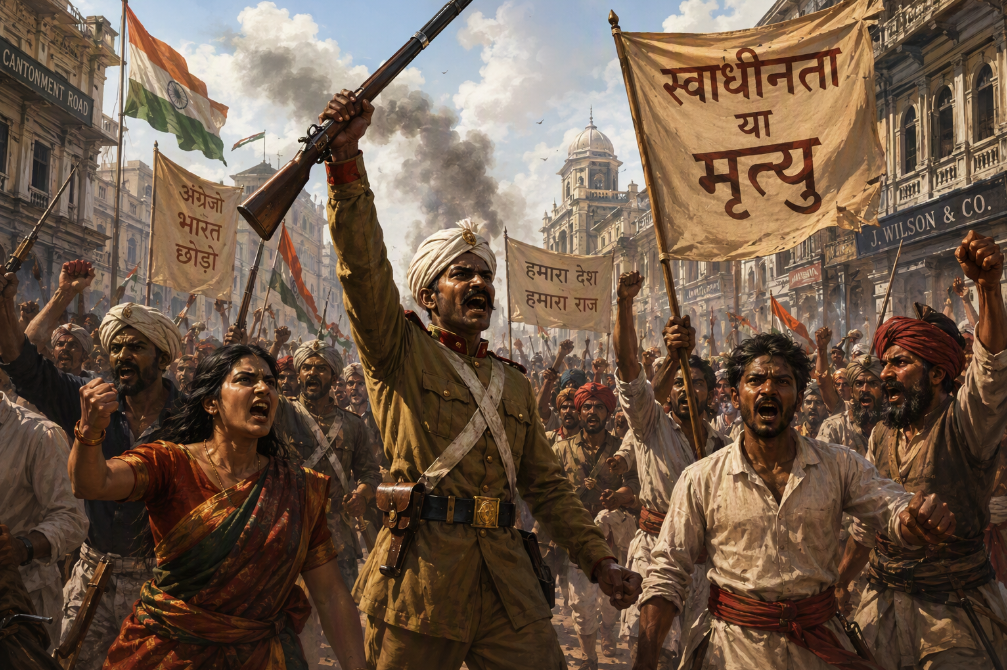
The national movement was a big event for women’s participation. In the beginning, women played a small part. Most of them were in educated city groups. Annie Besant came and helped bring women into public action. Later, Mahatma Gandhi worked to make sure women got more involved. Both Annie Besant and Mahatma Gandhi helped push political rights onto the larger political agenda of the freedom movement.
Women joined processions, picketing, boycotts, and helped with relief work. Sarojini Naidu was a leader. She became important during the Dandi March. Women’s groups worked to bring together the women’s movement and the freedom struggle.
- Annie Besant was a leader of the Home Rule time. She was the head of the Indian National Congress in 1917.
- In the 1926 elections, women were able to vote for the first time. They worked hard to get this right.
- Sarojini Naidu joined the Dandi March. She stood against the salt laws.
- The Rani Jhansi Regiment in the Indian National Army worked with Subhash Chandra Bose. This group gave women a chance to be part of the military.
Key Organizations & Leaders in Pre-Independence Era
As the reform movement and new nationalist ideas spread, women’s groups in India started to get better organized. These groups gave indian women a place the talk and work together. They could now speak up about having more education, the right to vote, health, and changes in the law. Because of these women’s groups, women’s issues were added to the public political agenda. These concerns were no longer just things that stayed at home or out of sight.
The All India Women’s Conference was one of the top groups in the country. It worked with other groups to help women. The group stood up for social welfare and women’s education. The women in the group wanted to get more women heard. Leaders like Sarojini Naidu gave the women’s conference a lot of power. This made the India women’s conference stand out. The all india women’s conference grew in size and became more important.
| Organization/Leader | Major role in the pre-independence phase |
|---|---|
| All India Women’s Conference | Worked for female education, legal reform, and political representation |
| Women’s Indian Association | Supported suffrage, social welfare, and women’s public participation |
| National Council of Women in India | Raised issues of health, sanitation, and women’s status |
| Sarojini Naidu | Linked nationalist politics with women’s leadership and mass mobilization |
These groups helped to make the social reform movement bigger and better. The reform movement got more strong when these groups joined it. They brought people together and pushed for social reform.
Women’s Movements in Post-Independence India
After India became free, some people thought the women’s movement would end. They thought this because the Constitution of India gave the women equal rights. Women got citizenship, the right to vote, and the law treated them as equal. But, even with this, Indian society still had big differences between men and the women.
The focus changed from just legal rights to making real changes in daily life. Issues like political representation, help for people, schools, and violence became important for everyone. To see how all this happened, we need to look at reforms, reports, and big campaigns that helped shape the time after 1947.
Social Reform Initiatives after 1947
The years after 1947 began a new time for the country. The Constitution of India gave women equal rights and political rights. But there was still a need for social reform. Old customs and unfair treatment did not leave right away. The state started to give help in social welfare. This was done by boards and people who did voluntary work.
For a few years, the women’s movement was not so clear in the country. But the women were still active in their towns. New problems were starting to get seen. Some of these were dowry, getting education, and the declining sex ratio. In Andhra Pradesh, women’s groups talked about equality in a more open way.
Key initiatives and trends included:
- There be basic rights for all people. Everyone should get equal treatment and be a citizen.
- There be more social welfare groups now. One of them is the Central Social Welfare Board.
- The Dowry Prohibition Act be a key law. It fights against dowry.
- There be more focus on women’s education, their role in society, and the fall of sex ratio.
These changes made it easier for new things to happen in the 1970s and after that.
Towards Equality Report and Its Impact
A lot changed in the 1970s. The status of women began to matter more in the national political agenda. The women’s movement grew stronger at that time. People started to shift from only caring about welfare to talking about things like rights and discrimination. More tough questions came up about how to make these rights real for the women. There was clear thinking on women’s issues, and everything became more focused and strong.
At this time, women’s groups began to feel upset with development models. These models did not help fix poverty or unfair treatment. So, the way people took action changed. Now, campaigns talked more about violence, bad treatment at work, child marriage, and making women’s rights stronger in the everyday life.
This time made the movement grow into a bigger mass movement. People began to talk more about reproductive rights. They talked about control over their own body. A lot of people also spoke about divorce, support after a marriage ends, and child care. So, after 1970, social reform was more clear. It was focused on these issues.
Major Phases and Milestones since Independence
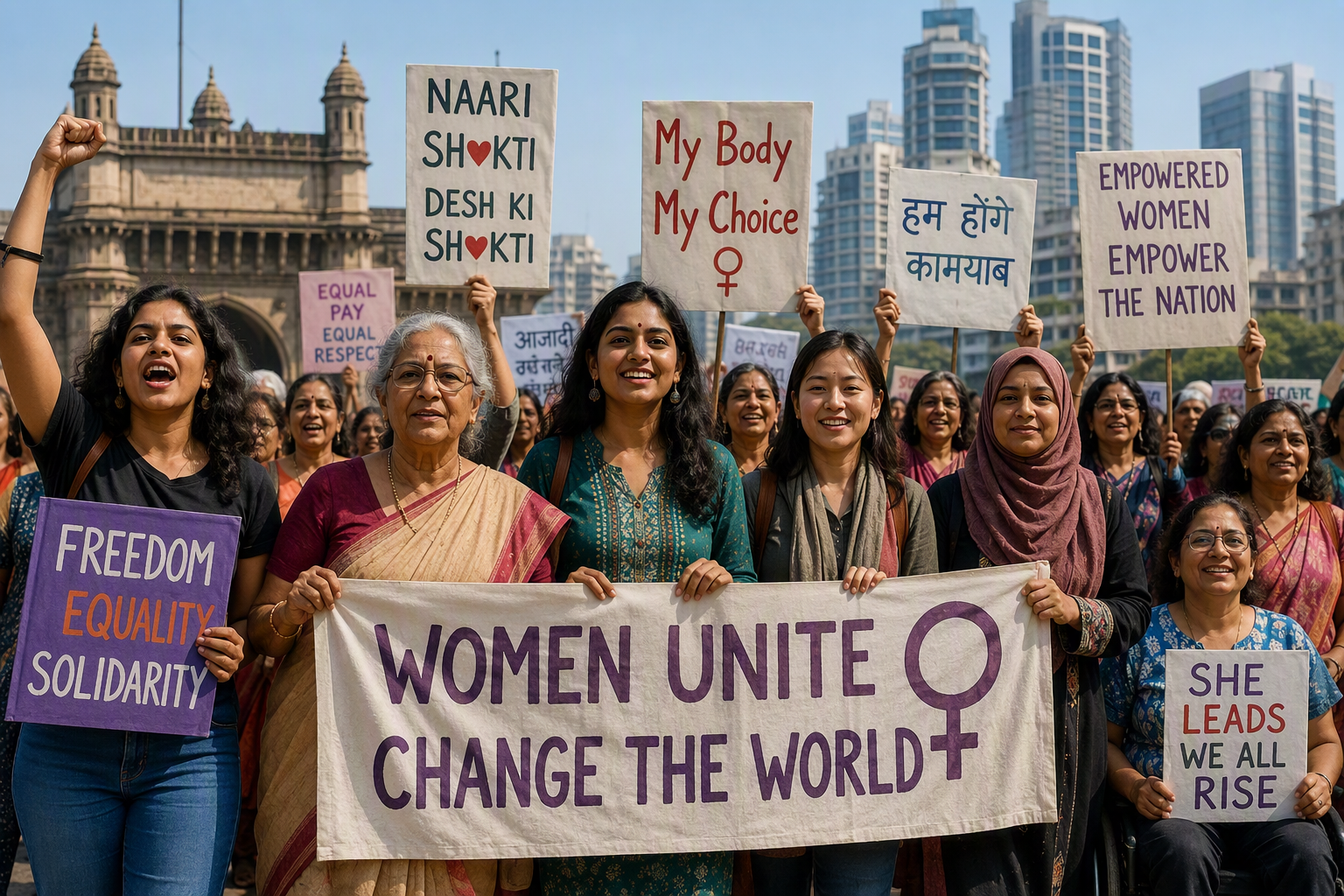
Since India became free, the women’s movement has seen slow periods and busy times. There have also been bigger campaigns. The 1970s and 1980s were good years for the women’s movement. During this time, women’s groups in the country started to talk more about the laws for the women and their day-to-day life. Indian women spoke about problems that people once thought were only private. These issues were now talked about out in the open.
The new activism spoke openly about sexual harassment, domestic violence, dowry deaths, and rape. It showed that women’s empowerment is connected to education, having resources, and being able to make choices in public. Some campaigns got power from other important movements, like the Chipko Movement.
Important milestones included:
- the Dowry Prohibition Act helped, and groups fighting against dowry violence have also made a difference
- protests began after the Mathura rape case, so more people now talk about legal rights
- there is now more focus on sexual harassment and domestic violence
- more people ask for political representation, better education for young girls, and fast action from the Supreme Court
This time, women’s issues became easier to notice in public. People began talking about them more. These topics are still here and do not leave. Now, women’s issues stay part of our talk and thoughts in society.
Influential Organizations in Women’s Movements
No group grows on its own without help, and that is true for the women’s movement in India. The women’s movement grew because the women’s groups started new places. In these new spaces, people can meet, learn, talk about what they want, and share ideas. Some women’s groups focused mostly on getting the change they want and teaching others. Other women’s groups wanted to help people get jobs and fix their daily needs.
The All India Women’s Conference was one of the biggest groups. It worked to help women get rights and take part in public life. SEWA was another key group. It helped women workers who did not have jobs in big companies. The stories of these two groups help us see how social reform and the old days of india women’s conference moved ahead over time.
All India Women’s Conference (AIWC)
The All India Women’s Conference was an important part of the story of women’s groups in modern India. It helped educated women find a place to meet and talk. At these meetings, the women shared their thoughts on reform, rights, and public policy. A lot of students see this group as a big step for the history and the tradition of india women’s conference and the women’s conference.
Its work was about helping women get an education, feel better health, live in clean ways, have the right to vote, and be part of the social reform movement. The AIWC turned women’s rights from small, separate acts into big, organized campaigns that many could join. The group also supported the push for political representation and called for changing laws as part of the women’s rights and social reform movement.
What made the All India Women’s Conference so important was how much it spread across the country. It was not just a small local group. The India Women’s Conference opened many branches in different places. This gave the women more chances to show their work to people. Because of this, the women could talk together about things like rights and equality, instead of speaking alone.
Self-Employed Women’s Association (SEWA)
SEWA started in Ahmadabad in 1972. Ella Bhatt was the one who began it. The main goal of the group was to help women workers. These women had jobs that were not in the formal sector. A lot of people did not see their problems in most rules or plans for labor help. Because of this, the women’s movement was closely tied to money and work. The women became the main force in the group.
These Indian women had to deal with low pay. They also faced bad treatment and tough work settings. Many had to rely on middlemen or people in charge. SEWA came in to help them with this. They used group talks, gave technical help, and offered money support. Their plan brought together social welfare and ways for people to get things done.
This model matters in the women’s movement because women’s empowerment was tied to earning money, not just following rules or the law. SEWA gave women jobs and helped them make a better income. Because of this, women did not have to depend on men as much. The model made social reform a part of daily life and work. That is why SEWA is still a strong example of how local action can help the women’s movement.
Role of National and Regional Groups
National groups helped people notice the women’s movement. But it was the smaller, local groups that made the women’s movement stronger. They helped it spread to more places. These groups talked about what was happening in their own areas. A few things they worked on were wages, price rises, violence, and unfair treatment.
Because of this, the women and their issues became a part of everyday politics. People talked more about the women and what they need. It was not just a few important people saying these things, but many people in the community.
Regional groups began to matter a lot after the 1970s. In Andhra Pradesh, the Progressive Organization of Women talked about gender issues and fairness. These groups in cities like Pune and Bombay started speaking up for women’s rights. They helped make more people talk about it and also pushed for work to support women in city areas.
Some important examples include:
- Progressive Organization of Women in Andhra Pradesh
- Purogami Stree Sangathan in Pune
- Stree Mukti Sangathan in Bombay
- women’s participation in anti-price rise and Nav Nirman protests
These women’s groups helped the movement grow. It was for more than one class, more than one city, or more than one way now.
Contemporary Issues Faced by Women’s Movements
Today, the women’s movement is still going strong. It continues because the same problems shape Indian society in new ways. The women do not feel safe enough, and the rules that should protect them are not working well. People in Indian society still do not get equal power. Now, the fight is also to make sure the rules are used, not just for people to see the problems.
Now, people say a lot about sexual harassment, domestic violence, women’s participation, reproductive rights, and the declining sex ratio. To see what the real issues are, it is good to look at legal barriers and social barriers. These problems also connect with other social struggles.
Legal and Constitutional Challenges
The Constitution of India gives the people equal rights. But in real life, there is still a big gap between what is written in the law and what happens every day. This is the one big problem that many face. The women’s movement does not end with making laws. The women also want these rules to work well. They ask those in power to act and be held responsible for what they do.
Questions about legal rights came up more often as women’s groups talked about rape, sexual harassment, and domestic violence. These issues showed that having the same rights did not mean women would be safe if places did not act fast or were not fair. Because of this, people had to speak up in public. This made more people notice and care about these problems.
The Supreme Court and the rest of the legal system play a big role in this work. But many people have strong social bias, and the rules are not always followed. This often stops real change. The same thing happens with the declining sex ratio. There are legal steps made to fix the sex ratio. But people’s strong views get in the way of their success. That is what the constitution has to deal with now.
Gender Inequality and Socio-Cultural Barriers
Laws can change fast, but Indian society does not always catch up at the same speed. Gender inequality is still there in the day to day lives of people. It stays strong because of the rules in the family, and the way girls and women do not get the same chance at school as boys. Customs and some old ways also stop women from making their own choices. Because of this, social evils keep coming back in indian society, even if they now look a bit different.
The Dowry Prohibition Act is in place. But people still ask for dowry, and this creates issues. Female education has seen growth. Now, more girls go to school. Even so, many young girls face problems like poverty and early marriage. They also feel the impact of how they are viewed in society. A bad sex ratio in many areas shows that there is still strong discrimination against girls and women.
This tells us that there is still work to do. The early social reformers started to change things, but it is not finished. Groups like Arya Samaj talked about the need to give everyone respect and the chance for education. These ideas are still very important. Social reform is still needed because gender inequality is still there. We see it in laws, culture, homes, and many parts of society.
Intersection with Other Social Movements
The women’s movement in India did not grow on its own. The women has always been part of other big causes. These include country issues, people’s jobs, farmers’ problems, the environment, and price hike. This has helped women’s movement grow and have deep roots in the society.
You can see this in the freedom movement led by Mahatma Gandhi and in reform movements that happened later at the ground level. Women did not only fight for their own rights. They took part in battles for better pay, resources, survival, and fairness in public life. This helped make the reform movement feel more connected for everyone.
Examples of this intersection include:
- Women’s participation in the freedom movement and the fight for political rights is important.
- The Chipko movement saw women take the main part when talking about actions to save the environment.
- There have also been fights by tribes and farm workers in the states of Maharashtra and Bihar.
- Many groups made up of coir workers, miners, and women workers who work outside the formal sector have worked together.
Impact of Women’s Movements on Indian Society and Policies
The women’s movement changed the way people in India think about the women and their lives. It made the government do more for women. Because of this movement, people began to talk about women’s rights in laws and rules. It pushed groups and offices in Indian society to do something. The movement made everyone see how the women get treated differently. All of this changed the status of women in Indian society in ways anyone can notice.
Its impact can be seen in education, help for people, letting people speak up, and changing laws. At first, social reformers led the way. After that, women’s groups took over and worked as one to keep things going. The next parts will talk about how this happened in law, rules, and in everyday life.
Changes in Laws and Policy Reforms
One of the best things the women’s movement did was help change laws and rules. The Constitution of India gave equal rights to everyone from the start. The women’s groups made sure people knew about these rights. Their work kept the government working to make things better for the women.
Legal changes for things like dowry, violence, and respect at work came from a deep history of social reform and protests by people. The Dowry Prohibition Act was one of the first important laws. After this, more action made people think about issues such as reproductive rights, help after marriage, child custody, and ways to keep people safe from harm.
For Indian women, these changes made a big difference. They helped grow the idea that they could be citizens. The fight was not only about getting equal treatment. It was about having legal rights that everyone could use. It was for better political representation, and for more open groups and offices, including the Supreme Court. These reforms came from the movement and show its big result.
Influence on Education, Health, and Workforce Participation
The women’s movement had an effect on how people live each day. The women wanted to improve women’s education, health, and jobs. The goal was to get equal rights. These rights would be real when the women have resources and chances that help them lead better lives.
Reformers and groups did a lot of work that helped people see female education as important. Over time, more actions and campaigns also changed how people feel. Women workers, especially in the informal sector, began to stand up together. They started asking for what they need and their voice got stronger. Health talks changed, too. They do not only cover a few things now. These talks now include more about issues like bodily autonomy and reproductive rights.
Its influence can be seen in:
- There needs to be more support for women’s education and female education.
- There should be a stronger focus on social welfare and things like help for mothers.
- Groups like SEWA help to bring women workers together.
- Many people worry about the declining sex ratio and worry about the health of women.
These changes were good for Indian women. There are still some big problems, but things got better for them.
Conclusion
In short, women’s movements in India show how strong and brave women can be when they fight for equal rights. These movements started many years ago. They are still working on big problems today. These groups changed Indian society and helped make laws that support gender equality. When we learn about this history, we get a better idea of the past and see what issues still need help. If you are getting ready for UPSC, try to learn about all the wins, the important people, and why these women’s movements matter. Keep learning and take part in these topics to help make a fairer society. If you want more ideas or need help with your studies, feel free to ask!
What are the major achievements of women’s movements in India?
The women’s movement made big changes for women in India. It helped make life better with social reform and better education. The women’s movement let Indian women be part of public life. It worked hard to stop dowry and violence toward women. The women’s movement gave women more political representation, equality, and respect both by law and in the community. These changes in women’s rights happened because many people worked for them over time.
Who are some prominent leaders and organizations in the women’s movement?
Important social reformers from India are Raja Ram Mohan Roy, Ishwar Chandra Vidyasagar, Annie Besant, and Sarojini Naidu. Groups like the All India Women’s Conference and SEWA also helped a lot. The work of these social reformers, as well as these groups, made their ideas reach more people. They started several campaigns. These forced changes for better education, fair rules at work, and more respect for women.
Ishwar Chandra, Raja Ram Mohan, Annie Besant, and Sarojini Naidu played big roles so changes would happen. A group, the All India Women’s Conference, put in a lot of effort, too. All these people and groups helped people have more rights and pushed for a better society.
How is the women’s movement relevant for UPSC aspirants?
The women’s movement is very important for UPSC. It is linked to social reform, the national movement, and what is written in the Constitution. The movement also shows problems that people still have in Indian society. You can use what you know about the women’s movement to help answer questions in history, polity, society, and essays. It gives good points about education, equality, and rights.