Key Highlights
- This guide will give you a government schemes list that is very useful for UPSC prelims and mains.
- It shares key points like the launch year, nodal ministry, funding pattern, and who the target beneficiaries are.
- You will find out how central sector schemes are different from centrally sponsored schemes. The guide explains this in an easy way.
- You also get ministry-wise flagship schemes that link to current affairs and social welfare.
- The guide gives you tips for quick revision, ideas for making short notes, and practice MCQs.
- You can read about recent updates and new schemes. This will help you pick what matters for the exam.
Table of Contents
Introduction
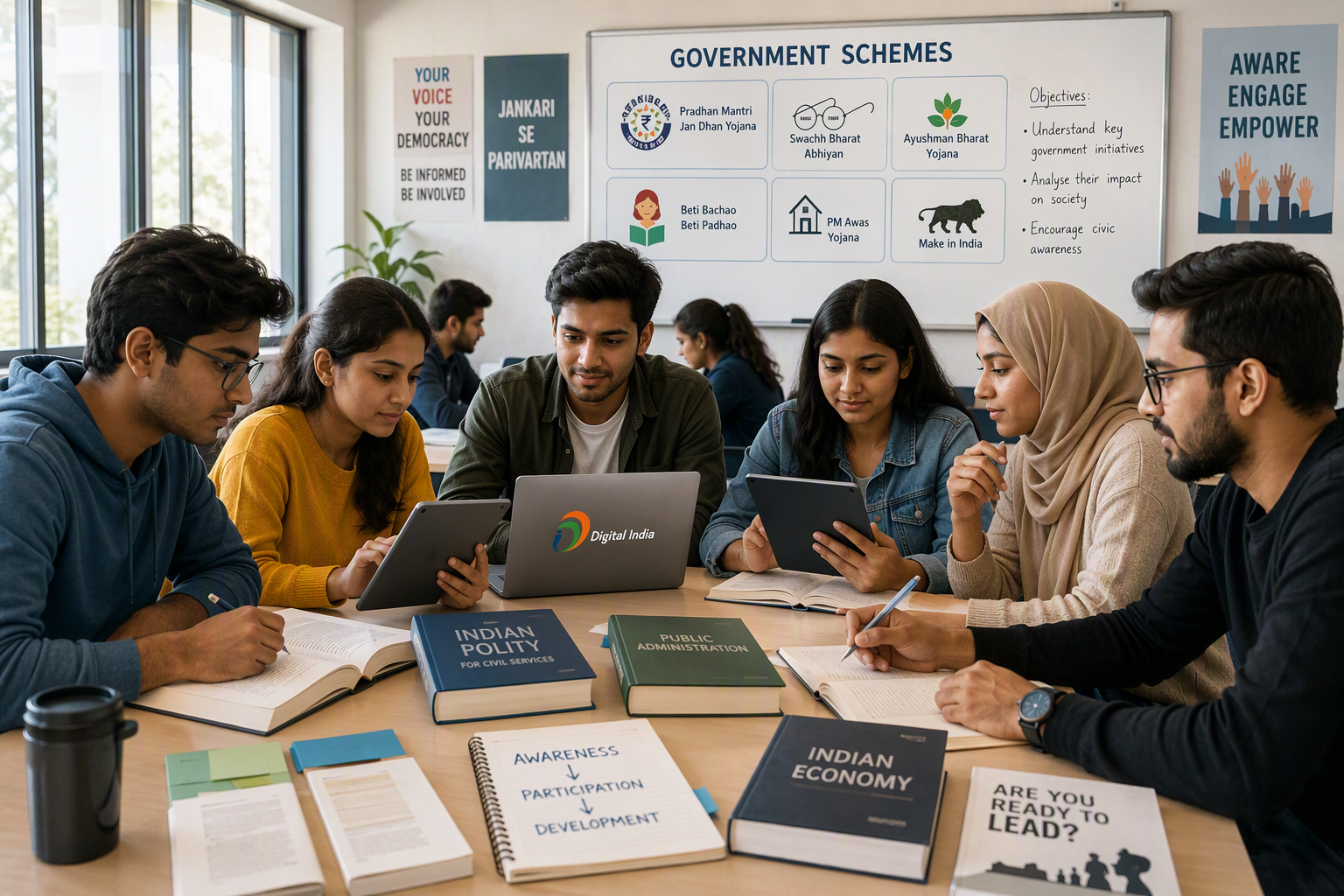
If you want to clear UPSC, you need to know about the important government schemes list. These schemes are there in current affairs, as well as in prelims, mains, and the interview part. You may get questions that want you to say the name of the scheme, its aim, the ministry that runs it, and the people who get the benefit. So, you must have a good and easy way to read and remember them. In this blog, I show you the most important government schemes. You will see how these government schemes help people, who can get the help, and what you must know. I keep everything simple, so you will not feel lost even when there are many names or facts.
Overview of Government Schemes in India for UPSC
Government schemes matter a lot for civil services. They let you see how the union government meets new development needs. In the UPSC prelims, you can get questions about government schemes. You may need to know the launch year. You could be asked about the ministry. You have to know who gets help or the key features of each scheme.
A short government schemes list for UPSC 2026 prelims includes PM Awas Yojana, MGNREGS, Ayushman Bharat, Poshan Abhiyan, PM Vishwakarma Scheme, PM SHRI, PM Gati Shakti National Master Plan, and Pradhan Mantri Surya Ghar Yojana. These government schemes try to fix social justice, welfare delivery, and what the country needs now in policy.
The government schemes list has points like ayushman bharat and pm awas yojana that work for health and housing. PM Gati Shakti National Master Plan is also there to speed up development. All these plans help people and make life better.
Defining Government Schemes and Their Importance for UPSC
The central government runs government schemes to reach set goals. These government schemes help people in many ways. The help can be in the form of financial assistance, support for building things, social security, skill development, health services, or help in making a living. For UPSC aspirants, it is important to know the government schemes list. This list helps you see how all these plans work in real life.
What makes them important in civil services preparation? The key features let you see public administration at work. You learn how ministries make plans for social welfare, financial inclusion, education, rural development, and health insurance. This helps you feel that civil services is real and hands-on.
The main goals of flagship schemes are to help people live better, to support those in need, to improve public services, and to make sure everyone grows together. When you look at a scheme, ask these four things. Who started it? Why did they launch it? Who gets to benefit from it? How do they make it work? Doing this makes it easier for you to remember the details.
Role of Government Schemes in Civil Services Examinations
In the UPSC prelims, there are many questions about schemes. You may need to know the launch year, funding pattern, target group, or the right ministry. These questions often test your facts. This is why it is good to read about current affairs that link to these schemes. If you know the basics, you can get marks on these topics.
Schemes matter a lot for UPSC mains. If you put schemes in your answers, it makes them stronger for subjects like governance, social issues, economy, health, education, and the environment. Adding examples of schemes shows that you know about policy and how it works. It will help improve your answers in ethics case studies and essay writing.
Many names be said again and again when people get ready for the civil services test. A few of these names are MGNREGS, Ayushman Bharat, PM Awas Yojana, Poshan Abhiyan, PM Kaushal Vikas Yojana, PM SVANidhi, and PM Vishwakarma Scheme. These programs get asked so much because they help with welfare delivery, stop poverty, bring jobs, help health, and make social justice happen.
Categories of Important Government Schemes
Not every scheme is the same. It is good to know about the types, so you do not feel lost. There are two main types of schemes. These are central sector schemes and centrally sponsored schemes. This is important to remember. The UPSC often asks questions about how they get money and how they work.
You should also group schemes by the reason they exist. For example, put together schemes for social welfare, development, economic growth, health, education, and renewable energy. It is also good to sort them by ministry. Many questions want to know which nodal ministry runs a scheme. The next two parts will help you remember this info.
Central Sector Schemes versus Centrally Sponsored Schemes
A good way to remember this is to think about how money is spent and how things are done. In central sector schemes, the central government gives all the money. In centrally sponsored schemes, the funding pattern means both the central government and the state governments share the cost. Knowing the difference between central sector and centrally sponsored schemes can help with many prelims questions.
You should know that the central sector schemes are run by central ministries or agencies. State governments have to take care of centrally sponsored schemes. This means state governments are important for how you get things and the results you see.
- Central sector schemes: the central government gives all the money for these schemes.
- Centrally sponsored schemes: the central government and the state governments both pay for these.
- In exams, you should match the scheme with its funding pattern, the right ministry, and the way it is used in the field.
If you want to know about ministry-wise important government schemes for UPSC 2027, start by sorting them by how they get money. This makes it easier for you to remember all the information. It also helps you with quick revision before the exam.
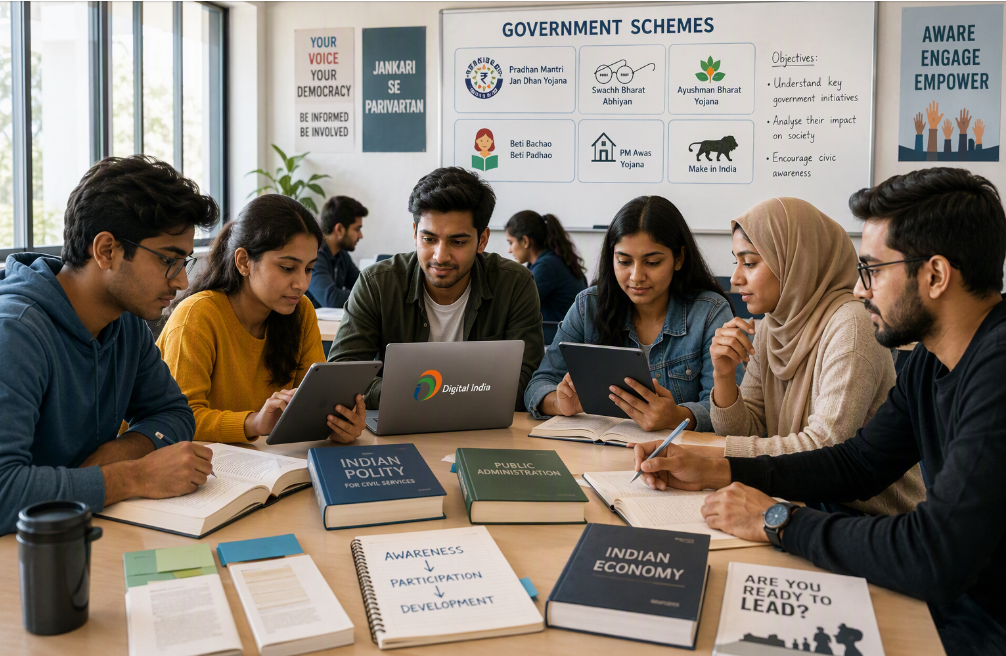
Social Welfare, Developmental, and Economic Schemes
Another good way to look at these schemes is by what they do.
Social welfare schemes focus on things like nutrition, pensions, and health. They help people who need extra support.
Development schemes work on making better roads, schools, and public services.
Economic schemes are made to help people start businesses. They also help improve skill development and support financial inclusion.
This way helps to go over prelims well, as each theme lets you remember things. When you read about a scheme in the right group, you can think about its goal faster. This is also good for mains. That is because there are questions on social security, rural development, or jobs.
- Social welfare: NSAP, Poshan Abhiyan, Pradhan Mantri Matru Vandana Yojna.
- Development: PMGSY, PM SHRI, Gram Panchayat Development Plans.
- Economic schemes: Mudra Yojana, Startup India Seed Fund Scheme, PM Vishwakarma Scheme.
If you want to know how to study schemes, start with these groups. Make short notes for each one.
Key Ministries and Their Flagship Schemes for UPSC
Many UPSC questions feel easy when you start by knowing the nodal ministry. When you have the ministry in your mind, you can quickly connect the scheme’s goal, the group it is made for, and the key features. This helps a lot, whether you are answering a fact or a reason-based question.
Some of the main flagship schemes are run by the Ministry of Rural Development, Ministry of Health and Family Welfare, Ministry of Finance, Ministry of Education, and Ministry of Women & Child Development. Let’s look at these ministries more, as you need to know about them for most exam questions related to flagship schemes.
Major Schemes under Ministry of Rural Development
The Ministry of Rural Development is in charge of important central government schemes for rural areas. These government schemes do a lot for people. They help with things like roads, jobs, self-employment, land records, and skills. If you are studying for UPSC, the ministry of rural development is very important for social justice topics and how people are governed.
You should remember the scheme name and what it does for people. MGNREGS helps with livelihood security. PMGSY makes roads and travel better. DDU Grameen Kaushalya Yojna helps people get jobs. NSAP gives support to people through social pensions.
| Scheme | Launch Year | Core Focus | Beneficiaries |
|---|---|---|---|
| PMGSY | 2000 | Rural road connectivity | Rural population |
| MGNREGS | 2006 | 100 days of wage employment | Rural workers |
| NSAP | 1995 | Social pensions | Elderly, widows, disabled persons |
| DDU Grameen Kaushalya Yojna | 2014 | Skill training | Rural youth |
| ULPIN Scheme | 2021 | Unique land IDs | Landowners |
Important Schemes from Ministry of Health and Family Welfare
The Ministry of Health and Family Welfare looks after many things for public health. It helps with social welfare and works to improve welfare delivery. The ministry runs many schemes. These cover health insurance, health infrastructure, keeping digital health records, and giving immunizations. So, the ministry of health is important for both prelims and mains.
Ayushman Bharat Pradhan Mantri Jan Aarogya Yojana gives health insurance to people who do not have much money. The National Digital Health Mission wants everyone to have digital health records. Intensified Mission Indradhanush 3.0 is for children and pregnant women. It helps them get shots to stay healthy.
- Ayushman Bharat: This is a health insurance plan for families who do not have much money. It helps them get care when they need it.
- National Digital Health Mission: This Mission gives people digital papers about their health. You can keep all your health records in one place with it.
- Intensified Mission Indradhanush 3.0: This program helps children and pregnant women get all the shots they need. It works to keep them safe from illness.
These plans are made to reach the main goals of new health programs. They want to help more people get care. They aim to make health systems stronger. Another goal is to help people feel better in their daily life.
Recent Government Schemes Relevant for UPSC Current Affairs
For current affairs, keep up with recent updates. Pay attention to new schemes from the past few years. UPSC often asks about a scheme’s launch year, which ministry runs it, and the goal of the scheme. Look over new schemes many times. These topics are important when you revise for the exam.
When you follow the Union Budget and look at PIB releases and updates from ministries, you learn about new schemes. These can show up as questions in prelims exams. The text below shares some examples of new schemes. It also tells about schemes that often get a lot of attention in the news and during exams.
Noteworthy Schemes Launched in the Last One Year
If you want to know about current affairs and government schemes for UPSC prelims, look at new schemes started in 2024. These new schemes can help you in UPSC prelims. You can also use them when you write about development, energy, tribal welfare, and industry.
The Union Government has started many new schemes. Each one has a clear goal for the area it helps. Some schemes are for renewable energy and electric cars. Others are to help tribal development, protect children, or support people who want to start a business. The new schemes are easy to match with topics you study in general studies.
| Scheme | Launch Year | Ministry | Focus Area |
|---|---|---|---|
| Pradhan Mantri Surya Ghar Yojana | 2024 | Ministry of New & Renewable Energy | Solar energy for households |
| Electric Mobility Promotion Scheme | 2024 | Ministry of Heavy Industries | Promotion of EVs |
| Pradhan Mantri Janjatiya Unnat Gram Abhiyan | 2024 | Ministry of Tribal Affairs | Development of tribal villages |
| Vatsalya Scheme | 2024 | Ministry of Women & Child Development | Child welfare and protection |
| Rashtriya Udyamita Vikas Pariyojana | 2024 | Ministry of Skill Development | Youth entrepreneurship |
Trending Schemes Frequently Asked in UPSC Prelims and Mains
Some schemes show up often when you study for exams. This is because they focus on important social issues or are important to the government. These schemes may not be new schemes. Many get attention because they help a lot of people, they matter a lot in policy, or there are recent updates about how they work.
For upsc prelims, you need to know things like which ministry runs the scheme, the launch year, who gets the benefits, and what area it helps. For upsc mains, you should think about how the scheme works to sort out problems like poverty, food, housing, jobs, health, or if all people get included. This way, you can get ready for both upsc prelims and upsc mains using the same notes.
- PM Awas Yojana gives help with housing. The program makes welfare delivery easy for the people.
- Ayushman Bharat is there for public health. It gives health insurance to people.
- MGNREGS, Poshan Abhiyan, and PM Vishwakarma Scheme do work for social justice. The programs help people get a way to earn a living.
These schemes are the ones you will see a lot in questions about current affairs. They are big and simple to notice. The schemes connect to what is happening now.
Benefits and Eligibility Criteria of Top Government Schemes
A good way to learn about social welfare is to match the benefits with the rules on who can get them. This helps you know why the plan is there and who it is made for. It also shows how social welfare plans work in real life.
Most of the top schemes will give one or more of these things. You may get financial support, use buildings and tools, have health coverage, skill development, or get social security. The target beneficiaries can be rural workers, school children, pregnant women, families with low income, artisans, or people from tribal groups. The next sections come with easy words and simple ideas to help you get ready for exams.
Scheme-wise Analysis of Target Beneficiaries
The best way to remember schemes is to think about who the target beneficiaries are. Many times, the text will say clearly who will get the benefit. If you keep this group in your mind, it will be easier for you to remember the scheme’s goal in exams.
For example, the Mid-Day Meal scheme helps school children get food in the noon. Pradhan Mantri Matru Vandana Yojna gives support to pregnant women and mothers who are feeding their babies. MGNREGS helps people in villages find jobs so they can earn money. Ayushman Bharat is there for low-income families who need health care. PM Vishwakarma Scheme is there for people who use their hands to make things, like traditional craftsmen.
- School children: They get meals through the Mid-Day Meal program and PM SHRI.
- Pregnant women and mothers: They get help from the Pradhan Mantri Matru Vandana Yojna and Poshan Abhiyan.
- Rural areas and groups who are at risk: They can get help from MGNREGS, NSAP, and PMGSY.
This scheme-wise view meets a big UPSC need. It shows who gets financial assistance or services from each program.
Common Eligibility Conditions across Popular Schemes
While each scheme from the government has its own set of rules, there are some things that stay the same. The main points are how much money you make, what kind of job you do, your social group, where you live, and your age. If you keep these points in mind, you will find it easier to understand most statements in the prelims tests.
Another good tip is to match who can join a scheme with the nodal ministry that runs it. For example, if the health ministry is behind the scheme, it mainly looks out for patients, mothers, children, or homes that have less money. When the scheme is about rural development, the focus is often on people in rural areas, workers, or those who own land. The way the ministry thinks gives you clues to answer, even when you do not feel sure of all the facts.
- Income level plays a big part in health insurance and welfare plans.
- The age group and gender of people do matter in things like maternity, pension, and child development.
- Rural areas and the kind of job you do are important for programs about making money and building things.
This way of learning helps you see why something is good or know what should be done. You will not have to remember each rule one by one.
Strategic Approaches to Remembering and Categorizing Schemes
You do not need to remember every scheme on one list. A smart way is to focus on small groups of facts that are clear and easy to read. This will help you do well in UPSC prelims and general studies. Try to cut out any extra details and only keep the ones you need to know.
Make groups for each ministry. Next, create theme-based sections. Write short notes about the launch year, who will get the benefit, and the key features. This helps you have a good way for quick revision. The next two parts will show you how to build this system without making your schedule harder.
Ministry-wise Classification Techniques for UPSC Preparation
Ministry-wise grouping is good for upsc aspirants. It helps them remember things in an easy way. Do not just remember single scheme names. Instead, put these schemes into groups like Rural Development, Health, Education, Finance, Women & Child Development, Commerce, and Tribal Affairs. This way, your mind can form a clear plan and remember better. This makes it easier for upsc aspirants, especially when it comes to topics like child development.
Once you group them, quick revision gets easy. You can look at all flagship schemes from one ministry in one go. This helps for mains, too. You can use these as examples when you talk about governance, health, poverty, education, or financial inclusion.
- Make one page for each ministry. On the page, list the flagship schemes.
- For each scheme, add three points only. These are launch year, beneficiaries, and key features.
- Revise the ministry pages every week. Do not update a single long master list.
This technique is simple, compact, and effective.
Quick Revision and Memorization Tips for Schemes
If you find it hard to remember things for upsc prelims, you can use pictures and read often. Long paragraphs are not good, so try short notes. You can also use tables and sheets from groups by type. These help lower stress and let you recall things fast.
A smart way to talk about schemes is to use five tags. You can use ministry, launch year, goal, who gets it, and one main point. Then, link new schemes to current affairs. You can also mention them when you talk about the budget. This way, facts stay connected to the main policy idea.
- Use text tables to show which ministries and people get help.
- Make short notes for only 80-100 main schemes.
- Look at recent updates on your own. This makes them easy to find before the exam.
These habits help you look at the most important government schemes without getting mixed up. You can use them to read more about government schemes, and feel sure about what you read.
Practice Section: Government Schemes MCQs for UPSC
Reading is only one step to get ready. To do well in upsc prelims, you also need to practice with MCQs. These questions can check if you know who the ministries are, who gets the help, and the year these things began. A practice test lets you see fast where you feel unsure.
That is why you should put current affairs questions from your government schemes list in your revision plan for the exam. The practice questions below are easy to read. You can use them to learn how to spot keywords. They can also help you cross out the wrong answers faster when you are in the exam hall.
Sample Multiple Choice Questions with Answers
Here are some practice MCQs for upsc prelims. These questions help you check if you know about the ministry, goal, and group for this topic. Try to answer them before you look at the answers. Taking a small break like this can help you remember things better.
- Q1. Which scheme gives health insurance help to families with little money? Answer: Ayushman Bharat Pradhan Mantri Jan Aarogya Yojana.
- Q2. Who handles PMGSY? Answer: Ministry of Rural Development.
- Q3. Which 2024 plan helps homes start using solar energy? Answer: Pradhan Mantri Surya Ghar Yojana.
You can use the same government schemes list to get more questions for exams. Try to ask about the launch year, the people who get help, or the funding pattern. This is one of the fastest ways to turn your current affairs reading into marks for your exam.
Strategies to Tackle Scheme-based Questions in Exams
Scheme-based questions in the upsc prelims might look tough at first. The names are long, and many sound the same. But you can work them out if you follow these steps. Look at the ministry that started the scheme. Check who will get help from it. Look at the sector it belongs to, and see if the goal matches the scheme name.
For UPSC mains, do not just mention the scheme’s name. Say why the scheme is there and how it connects with important problems like nutrition, health, rural jobs, or roads and houses. This will show them that you understand the topic, not only know facts. A quick revision can help you write answers like this well.
upsc mains, quick revision
- Take out choices that do not fit with the ministry linked to the right sector.
- Try to keep one main thing in mind for each scheme, like who gets it or the launch year.
- Use things that help you remember, like sorting by ministry or making theme charts before the test.
This exam-first approach keeps you focused when you study. It makes your practice feel real and clear.
Conclusion
To sum up, knowing important government schemes is key if you want to clear UPSC. These government schemes help you with your study. They also show how India works when it comes to social and money matters. When you learn the types and who can use them, you feel more ready for the exam. You also have a better chance to do well. Use smart ways to remember and sort these important government schemes. It will make your study time easier and better. As you go on, keep looking for new info. Use good tools for study so you feel strong about this topic. Want to step up your UPSC practice? You can set up a free consultation to learn tips and find which resources to use.
How to prioritize studying government schemes for UPSC exams?
UPSC aspirants need to begin with important schemes in areas like health, rural development, education, women and child development, and finance. It is good to first look at the big and new schemes for upsc prelims. After this, make short notes. These notes should mention the ministry, the people who get the help, and the launch year. Make sure to revise often. Going back over your notes many times is better than trying to read too many schemes all at once.
Are there yearly updated lists of important schemes for revision?
Yes, updated lists of government schemes help a lot for UPSC prelims. It is because the exam asks about current affairs and recent updates. When you read about government schemes, know the launch year, which ministry runs it, and why it started. Give more time to new schemes and big policy news from the latest exam cycle.
What are the best sources for studying government scheme criteria and benefits?
The best places to get information are PIB releases, ministry websites, Union Budget documents, Economic Survey, Yojana, and Kurukshetra. The government schemes found here have details on their criteria, benefits, and financial assistance. If you study for UPSC mains, these sources also show why the government makes each scheme. So, we see not just facts in the government schemes list, but also the main reasons, which come from the Union Budget and other top sources.