Key Highlights
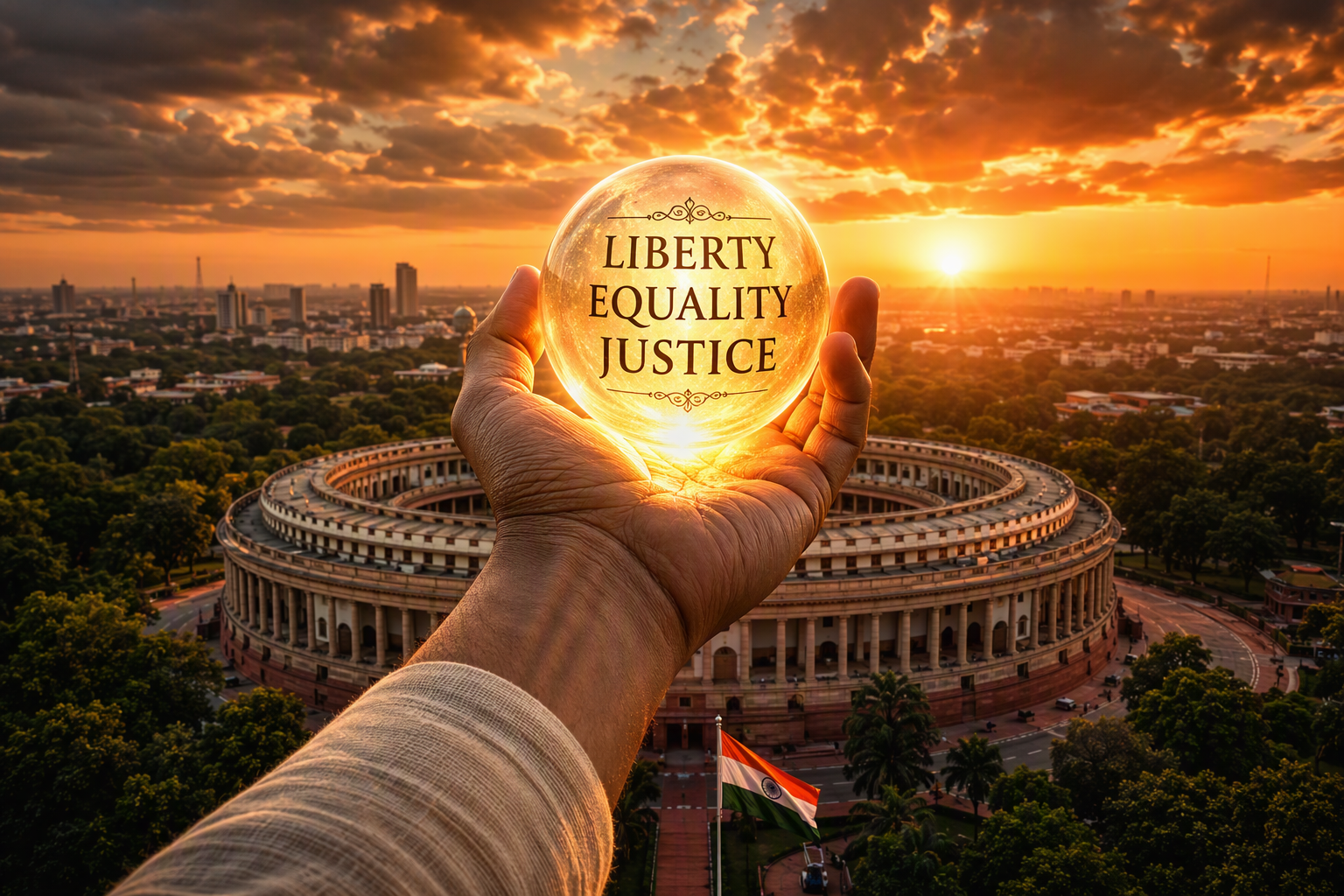
- The constitution of india puts liberty, equality, and justice at the heart of public life and the way we are governed.
- These ideas protect human rights and set out how the State needs to treat every citizen of india.
- Individual liberty is about freedom of thought, belief, worship, and the freedom of expression, but only within the law.
- Equality is about equal rights, equal opportunities, and the prohibition of discrimination when you look at public life.
- Justice means the people of india should get social justice, fairness in money matters, and political justice.
- If you are going for UPSC, these values help you know more about the Preamble, your rights, and how the government works.
Table of Contents
Introduction
If you are getting ready for UPSC, you should not see liberty, equality, and justice as only big ideas. In the constitution of india, these are real values that guide human rights, the law, and public offices. They show how the State should act, and what all people in a democracy can look forward to. You will find things like individual liberty and equal treatment in many Polity questions. So, knowing these topics will make your preparation strong.
Constitutional Values Fundamental to UPSC Polity
Liberty, equality, and justice are important promises in the constitution of india. The constituent assembly shared these ideas when they dreamed of a democratic country. Their hope was for a country built on what the people want. These values are not just part of the law; they are in what we do every day. They guide what a fundamental right is, help decide how people vote, and explain the right way to use public power.
You can look at them through the idea of the social contract. People go along with constitutional authority because it helps keep freedom, political equality, and fairness safe. To get what this means, let’s look at these values. These are liberty, equality, justice, and some important ideas about rights and how we are governed.
Meaning of Liberty in the Indian Context
In India, liberty means having the basics needed for a free and good life. The Constitution ties individual liberty to freedom of thought, belief, faith, worship, and freedom of expression. It does not see freedom as some unclear idea. The Constitution gives freedom real support through its fundamental right rules.
At the same time, liberty does not have no end. The text shows that people should not use freedom for everything. That is why personal liberty and freedom of speech need rules. These rules help democracy last and keep social order in place.
For UPSC, keep a simple idea in mind. Liberty means that a person should get space to think, talk, believe, and live with respect. This should happen without oppressive restrictions, but still within the rules of the constitution. That is what freedom means in India.
Understanding Equality as a Constitutional Principle
Equality in the Constitution means that everyone should have rights, not just a few people. If some people do not get those rights, the rights are not as good as they should be. Because of this, the principles of equality try to make sure that equal rights matter for all parts of life, like in society, government, and law.
This covers equal opportunities in who can be chosen for public jobs. There is also the prohibition of discrimination based on caste, race, sex, or religion. The Constitution gives support to gender equality by making sure men and women are treated the same under the law and in public life. Everyone can go to public places. Untouchability is not allowed, and no one can get special titles of honor.
There is also political equality. Every adult has an equal voice in elections because of universal adult franchise. In other words, political equality is about fair access, fair treatment, and the same standing before the law for all people in the country.
Justice: Its Essence in the Constitution
The concept of justice in the Constitution is about more than what happens in court. It covers social justice, economic justice, and political justice. The order here is important. This text puts social and economic problems before political justice. That shows us how democracy should tackle poverty, leave no one out, and deal with unfair conditions.
Social justice is about stopping unfair treatment because of things like who you are born to, your caste, your race, your sex, or your religion. Economic justice tries to lessen the space between people who have a lot and people who have less, and stop people being taken advantage of. Political justice makes sure all people can be part of the political system in the same way and at the same level.
The rule of law is the base for the whole idea. If we do not have legal equality and a fair social order, freedom feels weak. Equality will be there in name only. Justice works through the rules we follow. It helps make freedom and fairness feel real for everyone when we live together.
KeyTerms: Preamble, Rights, Governance
Some words come up again and again in UPSC Polity. If you get what they mean, it will help you read things faster. The preamble shows the direction of the Constitution for what is good and bad. Rights help to keep each person safe. Governance means the way leaders use power for everyone’s good.
These words are part of the work of the constituent assembly. They show how the promises made in the constitution turn into laws, rules, and actions taken by people in power. A fundamental right is not just a saying or slogan. It is something protected by law within the setup made by the constitution.
- Preamble: this is the first part of the Constitution. It says what the main goals and values are.
- Rights: these are rules to protect people from unfair actions by the state.
- Governance: this is about how public bodies work and how choices are made.
- Constituent Assembly: this group made up of people’s representatives wrote the Constitution.
Liberty, Equality, Justice in the Preamble of the Indian Constitution
The preamble of the constitution of india puts these values front and center. It shows that justice, liberty, equality, and fraternity are what guide the republic. When the framing of the constitution was done, these words said what kind of society India wanted to make after gaining independence.
The social contract idea shows that the Preamble talks about the promises the Constitution makes to all of us. It tells you that the State is here to keep these promises safe. The next sections tell you what these values mean, where they came from, and why fraternity is so important.
How the Preamble Defines and Connects These Values
The preamble of the constitution of india does not talk about liberty, equality, and justice as ideas that stand by themselves. It puts them together as important goals for the country. When the preamble says justice, it means there is a social, economic, and political side to it. Liberty is about being free to think, speak, believe, have faith, and practice any form of worship. Equality is about people having the same status and chance to do well.
This structure is important. A society where people are divided by the basis of caste cannot fully keep equality. A democracy without true freedom cannot keep people’s liberty safe. A legal system that is not fair cannot keep justice for all. So, the Preamble brings these big ideas together as part of one plan for our constitution.
You can look at this with the idea of social contract theory. The people say yes to authority so it can look after their dignity and what is good for all. In the Union, and in places like Punjab and other states, the values stay the same. These are basic rules in the constitution for public life.

Historical Foundations of the Preamble’s Ideals
The values in the Preamble were not added by chance. The constituent assembly had spent a long time thinking about democracy, rights, and what would be fair for everyone. The ideals got their own Indian meaning during the framing of the constitution. This meaning came from what the people of the new independent country needed.
Ideas like liberty, equality, and fraternity come from the French Revolution. In India, people gave these ideas new meaning to fit what was happening there. They had to deal with things like caste, poverty, the need to feel included, and bringing the country together. This made the ideas connect to not just freedom and equal rights, but also to everyday life and money problems.
For the first time, the people of India made these values a key part of how the country is run. This action showed more than just a symbol. It was about a social contract between the State and the people. They wanted India to be a true democratic republic.
Role of Fraternity Alongside Liberty, Equality, Justice
Fraternity is a value that makes liberty, equality, and justice work together in real life. The Constitution says this is important, as indian society is very diverse. If people do not have respect for each other, what is promised in the Constitution may just stay as words, while conflict grows in everyday social life.
The text says that the sense of fraternity means having a spirit of brotherhood, feeling like one group, and being part of one nation. The spirit of brotherhood helps people feel close and that helps a nation stand strong. This comes from all people having equal rights and being treated with respect. If someone’s dignity is not valued, then the sense of fraternity starts to go away.
For UPSC, think of fraternity as the social glue in a democracy. It helps people live together in peace, lowers trouble on the inside, and brings the values written in the constitution into daily life. Fraternity also makes liberty feel safer, helps people accept equality, and gives a true meaning to justice.
Significance for UPSC Preparation
For UPSC aspirants, this topic is very important. It should not just be read as extra or background. You need to know it well because it is in many areas of the exam. It comes up in polity, governance, questions about rights, and essay writing.
There are many questions, both direct and indirect, where you have to explain things like the constitutional values, the Preamble, democracy, and the role of the state.
These ideas help you connect topics. You can start with the Preamble and then move to basic rights. After that, go from Directive Principles to goals about welfare, and from legal equality to taking part in a democracy. This way, your study plan is more organized and you do not just rely on memorizing facts one by one.
- Use these values to read the Preamble fast.
- Put these values together with how the country is run and how people hold leaders responsible.
- Tie liberty to basic rights and the rules that set boundaries.
- Tie equality and justice to things like welfare, getting involved, and feeling respected.
Detailed Explanation of Liberty, Equality, and Justice
Let’s now talk more about these ideas. The Constitution does not see equal opportunities, individual liberty, and justice as something apart from each other. The three go hand in hand. They come together with help from our rights, the way we choose people to lead us, and the groups that make rules.
The rule of law gives things a legal form. Social justice tries to stop people from being left out or used in a bad way. Political justice makes sure everyone can take part. In the next parts, you will read about the types of liberty, the forms of equality, the kinds of justice, and some examples from the Indian legal system.
Types of Liberty Recognized in India
In India, liberty means having the right kind of freedoms to live your life with respect. The text brings up thought, expression, belief, faith, and worship. These are not just big or unclear ideas. They help you have personal liberty. They also make it possible for people to be real, active members in a democracy.
Individual freedom is also linked to how people feel about their own worth and the way they earn a living. The text says that, the idea of dignity loses its value if someone lives in need or is unhappy. This is why, the State should help set up the right conditions. People must have a good means of livelihood and a fair way to live their life.
- Freedom of speech and expression lets people talk and share ideas in a democracy.
- Freedom of belief, faith, and worship helps protect what each person thinks is right.
- Personal liberty helps people make their own choices if those choices are within the law.
- Means of livelihood are important. A good life and freedom need some money and things to live on.
Equality and freedom go together here. People can feel freedom when there is no block from being left out or not having what they need.
Forms and Dimensions of Equality
Equality in the Constitution covers many areas. One part is legal equality. This means all people are equal under the law. Another is political equality. Each grown-up has a vote. Social equality tries to stop old levels or classes. Economic equality looks to make big gaps in how people live smaller.
The Constitution is not just about everyone ending up the same. It talks more about giving all people equal access and making sure everyone has the same standing. There is a clear prohibition of discrimination against anyone. The State is also expected to stop people from being taken advantage of, and to make sure wages, work, and public chances are fair for all.
- Political equality means that every adult get the same vote.
- Equal access is important for all people in public places and when finding public jobs.
- Prohibition of discrimination helps keep people safe from being left out in an unfair way.
- Gender equality shows up when men and women get the same treatment and get equal pay for doing the same work.
This is why equality makes freedom stronger. If there is no fair access, freedom is just for some people, not all.
Principles and Types of Justice
Justice in the way the constitution sees it has many sides. The text talks about social, economic, and political justice. All of these work together to make a fair society. They want to lower things like people being left out, taken advantage of, or not getting a fair chance to take part in society.
Legal justice means that everyone should follow the rule of law and get equal treatment under the law. Distributive justice is about making sure that the country’s wealth and resources are shared in a fair way. Political justice makes sure every person has the same chance to take part in the democratic process.
| Type of justice | Meaning in the constitutional context |
|---|---|
| Social justice | Ending discrimination based on birth, caste, race, sex, or religion |
| Economic or distributive justice | Reducing poverty, exploitation, and concentration of wealth |
| Legal justice | Ensuring equality before law and equal protection under the rule of law |
| Political justice | Giving all citizens equal opportunity to participate in politics |
Justice brings liberty and equality together. This helps both to work in real life and in the world we live in.
Examples from the Indian Legal System
You might need examples when you write your answers. The material gives direct examples from the constitution. It also gives wider legal references that are often used when people study for the UPSC exam. These examples help you see how values show up in rights, how people take part, and in state policies.
When you think about liberty and equality, you can see it in equal rights under the law. It is also in the right for all people to vote, the ending of untouchability, and letting everyone go to public places. Economic justice shows up when there are steps to stop people from being taken advantage of or when wealth is held by just a few. The abolition of private property was not part of the Constitution as it did not choose a full socialist way. Instead, it supported a mixed economy where all have a fair shot.
- The case Maneka Gandhi v. Union of India is often read in UPSC exam prep when talking about personal liberty.
- The State of Punjab can come up in legal talks, especially when we talk about how the Indian constitution works.
- Sexual harassment is a problem that touches on dignity, equality, and how people can feel safe when taking part in things.
- The idea of equal pay, along with rules against discrimination, show what justice and equality should look like for all.
Interconnection among Liberty, Equality, and Justice
These three values are linked in the Indian constitutional framework. Social contract theory helps explain this. People accept the country’s authority when it protects individual liberty, uses principles of equality, and makes sure there is fair treatment for all.
The concept of justice helps bring balance to the other two ideas. When you have liberty but no fairness, some people can use their freedom as a privilege. Equality without freedom can feel like control. A democratic system is better when each person has an equal voice under the law. Let us look at these links more closely.
Relationship Between Equality and Freedom
A question that comes up a lot in UPSC is if equality and freedom help each other or if they clash. The text here shows both sides of this point. Some people say that individual freedom needs equality. This is because when there is not much equality, a lot of people cannot use their rights in a way that matters to them.
Some people say that if we push the idea of equality too much, it could bring too many rules. These rules might take away choice. This is why the Constitution tries to find a balance. The idea of equality is not to take away freedom. It is there to help everyone get equal access, an equal voice, and fair chances in the way the country works and in our lives.
In practice, the idea is clear. A person who has no food, as the text says, cannot really use a vote alone to change things. So, when there is equality, people have a better chance to use their freedom. In the same way, freedom helps keep each person safe from being treated badly by others.
How Justice Binds Liberty and Equality
Justice helps connect freedom and fairness. It shows people the way to understand how much freedom to give and which kind of fairness to make. If there is no justice, only the strong may get more liberty, and fairness could just be words with no real meaning.
Social justice is very important in a place where some people feel left out and where there is order based on rank. It works to fix things that are not fair, like chances, respect, and how people are treated. The rule of law makes sure this is done by using rules, not someone’s own wishes.
You can say that justice changes formal rights into true freedom. It helps build a social order where people are not just on their own. They are also kept safe from discrimination, being used by others, and having less access than others. This is why you have to read all three values together.
Impact on Governance and Society
These constitutional values shape how we, and the people of india, live and how our country is run. They show the way for public places to act, and help set rules for the laws. They also make sure power is not used in the wrong way. The people of india are not just under the rule of someone else. They are the true source of power in the constitution.
This changes the role of the state. It is not just about keeping order now. The state has to stop people from being taken advantage of. It works to prevent unfair treatment of people. It also needs to help everyone feel respected. In indian society, the state needs to deal with poverty. The state should help end social division. It also needs to give all people equal chances.
Whether you talk about the Union or the state of Punjab, the rules in the law do not change. The people who are in power have to work for the good of everyone. They should make sure people get to take part and the laws are fair. This is the way you keep freedom, fairness, and justice real in how the government works.
Liberty, Equality, Justice in the Indian Constitution
If you want to know where these values are found in the constitution of india, the main place is the Preamble. It shares these ideas clearly and helps guide the country. But these values are not just in the Preamble.
They also show up in the basic right framework. Democratic participation, anti-discrimination ideas, and rules that focus on welfare also help bring them out. Equal rights and basic rights help these values have the law behind them. At the same time, how things are run gives these values a shape in practice. The next part shows these places clearly.
Where These Values are Mentioned in Indian Law
These ideas show up first in the Preamble. The Preamble talks about main goals like justice, liberty, equality, and fraternity. After that, you find them in the part about rights in the constitution. This part talks about freedom, treating everyone the same under the law, and not being unfair to people.
Political justice can be seen where everyone can vote as adults. Everyone also gets a fair chance to take part in the country’s politics.
The constitution of india gives a wider meaning to rights with the help of Directive Principles. These are meant to help social welfare. They work to reduce inequality, improve working conditions, and give support for people’s livelihood. So, the scope of right in india is not just for court use. It is also about bigger social goals.
- Preamble: tells us what the constitution stands for in clear words.
- Fundamental Right provisions: help to keep liberty, equality, and the claims of a person safe.
- Democratic structure: let each citizen of india have an equal role in politics.
- Directive Principles: help build the social and money needs that are needed for justice.
Conclusion
To sum up, knowing what liberty, equality, and justice mean is really important for UPSC aspirants. These ideas form the core of the Indian Constitution. They also play a crucial role in how the country is run and how people live in it. When you understand how these ideas connect and why they matter, you can make your UPSC preparation better. You also start to see the Indian Constitution in a clearer way.
Do not think these values are just theory. They are the starting point of a fair and just society. They guide everything from how laws are made to how people act every day. When you take these values to heart, you not only improve your knowledge for the UPSC exam but also help make society better.
If you want to learn more and get ready in the best way, you can ask for a free consultation today!
What are concrete examples of liberty, equality, and justice in India?
Examples of this are freedom of thought and speech, being equal before law, ending untouchability, having a universal adult vote, and giving everyone the same chance to use public places. In the constitution of india, these show individual liberty, equal rights, social justice, and the protection given by the fundamental right system.
Why should UPSC aspirants understand these constitutional values?
These ideas are very important for upsc aspirants. They help you see how the Preamble, rights, democracy, and welfare all connect. In polity and governance, they show the way the constitution of india acts like a social contract. It brings together the State and the people as one.
How do these values influence governance in India?
They play a big role in how the government works. This is because they ask for fairness, respect, and lawful action from the state. The constitution of india asks people in power to follow the rule of law. It says they must help give social justice, stop unfair treatment, and make sure all people get an equal chance in political, social, and economic life.