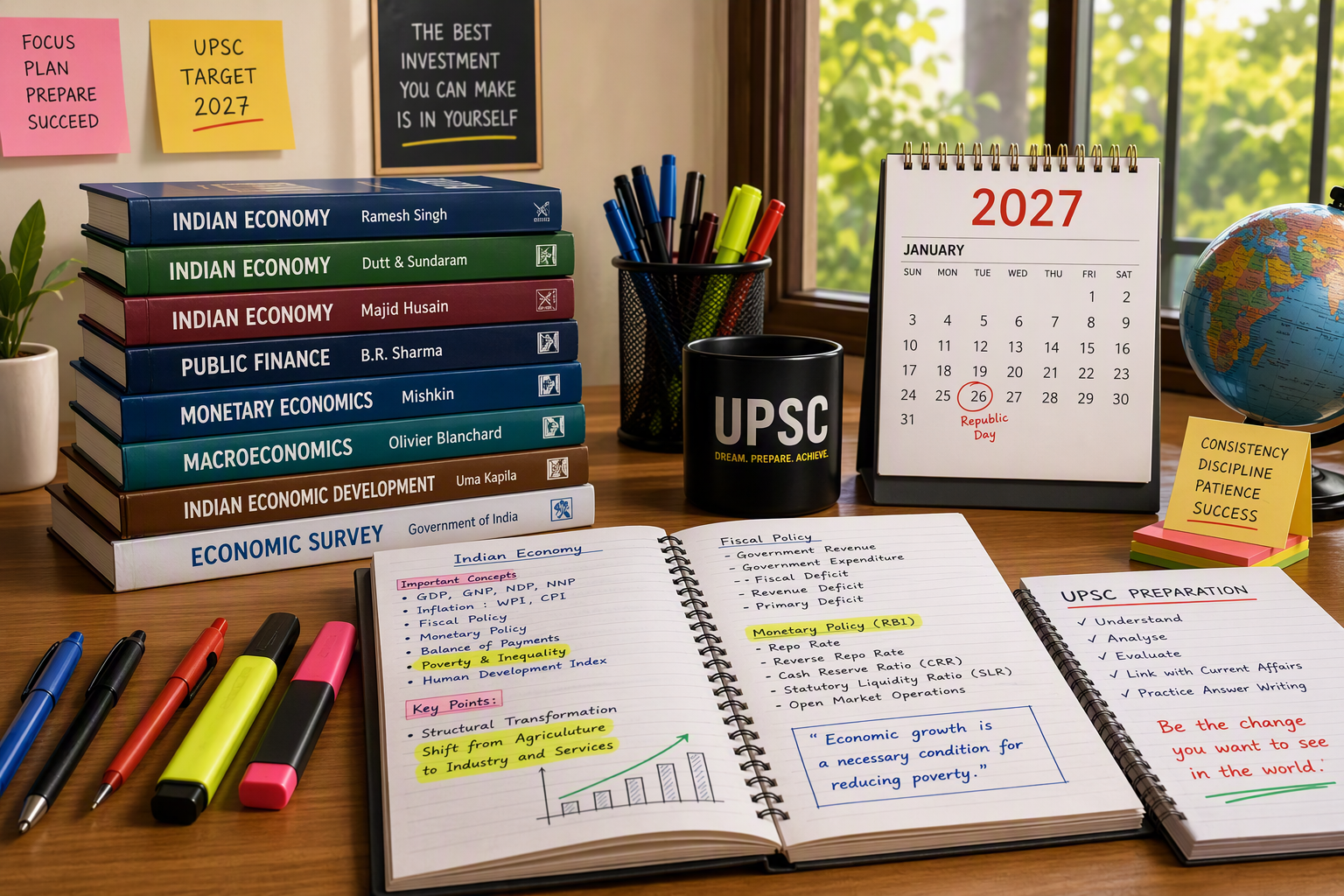
Key Highlights
- Start by checking the UPSC prelims syllabus. See the key areas of the Indian economy that you need to read.
- You must know the basics first. After that, you can move on to topics like fiscal policy, banking, and taxes.
- You should try to join your static study with current affairs. This is very important for things like the Budget, new RBI news, and the latest reforms.
- Give more time to things that come again and again in UPSC prelims. These often are topics like inflation, fiscal deficit, and exchange rate.
- Pay close attention to topics like the external sector, balance of payments, and big global bodies.
- Use short notes and practice with questions from old years. Work on each idea so you can keep key areas in your mind for a long time.
Table of Contents
Introduction
Studying the indian economy for upsc prelims can feel easy if you follow a simple plan. In general studies, you will get questions that test what you know about the economy and the latest current affairs. So, read about the indian economy, how it grows, the key policy changes, and news that affects people each day. A good way to start is by learning the basic ideas of the indian economy. After that, connect these ideas to the Budget updates, steps taken by the RBI, and other new events. These things can change what you may see in exam questions.
Understanding the Indian Economy Syllabus for UPSC Prelims 2027
The upsc syllabus does not look at the Indian economy in a narrow way. In the indian economy section of the general studies paper, you will get both static concepts and rules, as well as current developments and groups. That is why it is good to have conceptual clarity from day one. This will help you get ready for all questions about the indian economy in the upsc syllabus.
You should read the complete syllabus and use it as your guide. It tells you what UPSC wants from you. It is not just a list of topics put together in a random way. When you see how planning, reforms, banking, taxation, and the outside sector connect, it starts to be more clear. This can help you feel more focused in your work. The next two sections explain this in a clear way.
Detailed Coverage of the Economy Section in Prelims Syllabus
The official syllabus checks how much you understand the way the economy works in India and other countries. So, your indian economy syllabus should start with static concepts. These are the basics of economics, growth, inflation, planning, reforms, and public finance. You need to know these topics because you will get many prelims questions on them.
| Area | What to cover |
|---|---|
| Basics | GDP, GNP, NDP, NNP, inflation, sectors of the economy |
| Policy | Economic planning, economic reforms, fiscal and monetary tools |
| Institutions | Banking in India, insurance, security market, RBI-linked themes |
| Public finance | Tax structure in India, public finance in India, Union Budget |
| External sector | Balance of payments, forex, trade, international economic organizations |
When you feel good about your static base, you can handle different questions in the application part. The UPSC likes to ask things in new ways, but with old ideas. So, you need to understand things well, not just remember facts by heart.
Overlap of Economy with Other UPSC Subjects
The economy is not just about one thing in the exam. It connects with social development, farming, how the system is run, and the environment. In prelims, you often see questions that mix current events and the economy. In upsc mains, these topics show up again. This time, you have to think more and talk about them in detail.
For example, questions about food security, jobs, or inclusive growth show that the economy is tied to welfare and social protection. Human geography is also tied to things like industry, infrastructure, agricultural produce, and development in different areas. Because of this, when you study the economy, it can help you for all papers.
Recent trends show that the UPSC now asks more to the point questions about real policies, not only facts. So, when you read about things like reforms, planning, or banking, try to see how these ideas connect to development and how the government works. This is going to help you do well with multiple-choice questions and longer answers you have to write.
Must-Know Basic Economic Concepts for UPSC Prelims
To get a high score in economy, you need to start by learning the basics of economics. First, get to know the basic structure of the topic. This helps you build your analytical ability. It also helps you revise better and keeps you from getting confused.
At the prelims level, you need to know ideas from the micro-economy and some bigger topics too. When you understand how things like production, income, inflation, and rules work in economic development, you can answer questions faster. You feel more sure about your answers as well. Now, let’s look at the top areas you should revise quickly.
Fundamental Terms and Principles for Quick Revision
Before you start on MCQs, make sure you know the basics of economics. The prelims often test how clear you are with big ideas, especially when they mix static concepts with current developments. A short list for revision can help you see all the key areas at one place.
Focus on these terms:
- GDP, GNP, NDP, and NNP
- Inflation, deflation, and stagflation
- Fiscal deficit and revenue receipts
- Repo rate and monetary policy
- Balance of payments and current account
- Primary, secondary, and tertiary sectors
These ideas show up many times, just in different forms. If you can tell what they are, see how they are like or not like each other, and connect them to what the government does, your edit will be easier to read. That is also why making short notes, using charts, or mind maps can help you at the last step.
Frequently Repeated Micro-Economy Questions
In upsc cse, you will get micro-economy topics a lot. These come from basic ideas and how things link to each other. What comes after that also matters. You must know the words about national income, parts of where things are made, how prices go up, and how change in rules can change homes and company work. The topics feel easy, but you can mix them up during the test.
Many questions want to see if you can tell the difference between a fiscal deficit and other types of deficit. They also want to know if you can choose the correct number in national income accounting. Economic reforms are important in these questions. You need to show what you think, not just what you remember. So, it is a good idea to really understand the topic of fiscal deficit and economic reforms instead of just trying to remember things.
A good way to learn is to read the same main words many times. It helps to solve old exam questions too. When you do these things, you start to see how UPSC often writes about economic growth, deficits, and changes in different parts of the economy.
Indian Banking System and Monetary Policy Essentials
Banking and the rules on money are very important in questions about the Indian economy. You do not have to be a finance expert. But, you need to know how the Indian banking system works. It is also good to know how the RBI can change things like the cost of goods, cash in the market, and loans.
Keywords: indian economy, monetary policy
This part is about the exchange rate, current affairs, and how people deal with growth. If you want to do well with the syllabus, you should begin with the main banking terms. After that, link them with the most recent RBI steps and the main public finance topics.
Key RBI Policies and Their Prelims Significance
RBI-linked questions come up a lot. They connect what you read in theory to things happening right now. You should know what monetary policy wants to do. RBI policies have an effect on inflation, borrowing, and the level of money in the market. This topic is linked to both public finance and fiscal policy. It is good to read it many times so you remember it well.
Give special attention to:
- The repo rate can change the cost of credit and the price of things. When the RBI changes the repo rate, it can make loans more costly or less costly. If loans cost more, people may not take as many loans. This can slow down buying and also help keep prices steady.
- The RBI has a plan to manage prices and control inflation. What the RBI does depends on the way prices move. It tries to stop prices from growing too fast by using tools like the repo rate. This keeps the economy in balance.
- In the past few years, banking reforms have been made. New rules ask banks to be more careful with money. These steps make sure banks work well and are safe for people who put their money in them.
- There is a strong link between monetary policy and growing the country. When the repo rate is changed, it affects not just prices but also how fast the country grows. A higher repo rate can slow things down. A lower rate can make the economy grow faster. The RBI has to look at everything when making these policy moves.
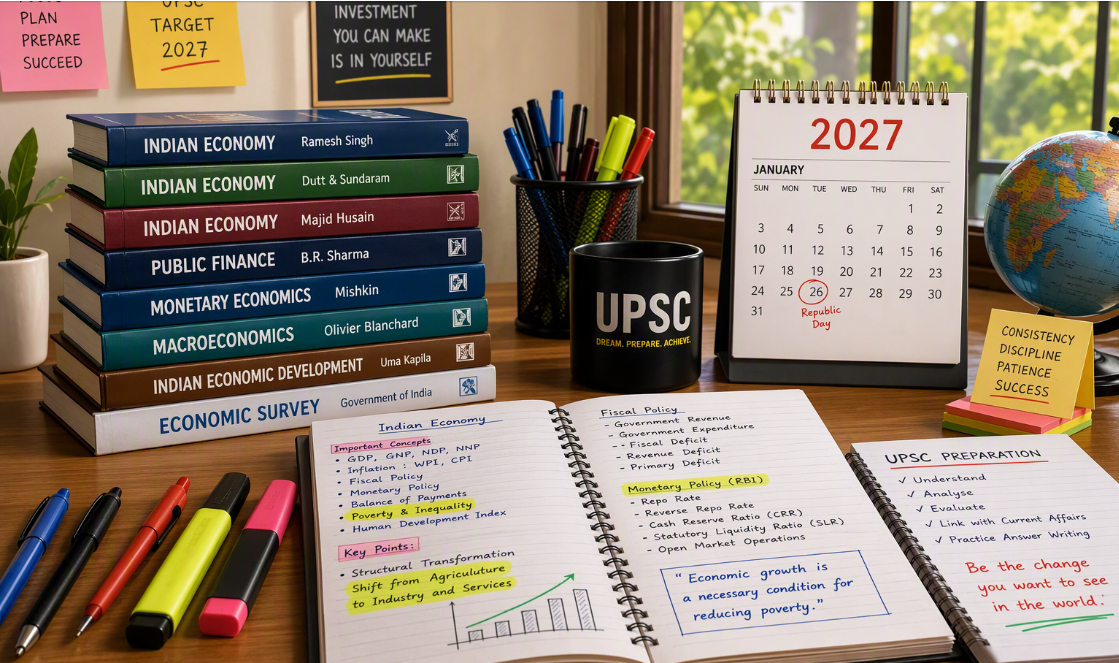
Start by getting a clear idea from NCERT books. After that, read the main books on economy, summaries of the Budget, the economic survey, new updates from the RBI, and other key government sources. Keep your notes short and simple. The UPSC wants to see if you understand how a policy tool works and what it can do, not if you remember every small point.
Contemporary Trends in Banking Sector Questions
Recent questions about banking now look at how things work in real life. They do not just ask for word meanings. The UPSC brings together current developments with what banks do. They may ask how banks work, how to keep prices steady, or how they help manage money in the country. So, you have to know the main ideas, but also stay updated with news and current things too.
The banking sector is connected to other parts of the economy. A few things can change how people feel and how the economy grows. For example, there can be ups and downs with exchange rates. The forex side and things coming in from other countries also play a role. You may get questions that ask if you know about these links in a simple, real-world way.
When you read again, make sure to see what the RBI says. Notice changes in banking and what people say about rules. Try to link these things to bigger ideas, like the rise in prices, how banks give out loans, and the balance of payments. This helps you remember more when you get questions with these kinds of statements in prelims.
Fiscal Policy, Budgeting, and Taxation Topics
Fiscal policy, budget, and taxes are important for upsc prelims 2027. They help you see how the government gets money and uses it. These topics are also about how the government looks after its main needs in public finance.
You need to get some ideas about words like revenue receipts, how people spend their money, and signs that show when there is not enough money. If you know about these things, it will be much easier for you to follow news about the budget or taxes. The next few sections will show you what things you should read more about when you make your study plan.
High-Weightage Budget & Fiscal Policy Subtopics
Budget questions are easy when you know the basics well. UPSC wants you to understand public finance. You should also know how the government uses the budget for economic development. Words like fiscal deficit and revenue receipts should be easy for you. They need to feel common, not new or hard.
High-weightage areas include:
- The government gets two main kinds of money. The first type is called revenue receipts. The second type is called capital receipts.
- A fiscal deficit happens when the government spends more money than it gets from revenue receipts and other income.
- Government budgeting is the way the government makes a plan for its spending. This plan helps it choose where to put money.
- The government chooses which sectors to give money to. These choices show what the government thinks is the most important. People call these choices fiscal priorities.
- A good budget can help a country grow and feel well. There is a strong link between the budget, welfare, and how fast a country grows.
Do not think of the budget as just another news story. The budget shows us the plan for how the money will be used, what things will be made, and how to deal with not having enough. If you read about these points while thinking about current affairs, and make short notes, you can do better in this area.
Taxation: GST, Direct and Indirect Taxes
Taxation plays a big role in how we plan the economy. It connects the main ideas with the changes we make, called economic reforms. You should know what makes direct taxes different from indirect taxes. When you get this, GST is easy to understand and fits with what you already know.
GST is often linked with big changes in tax rules. The UPSC might ask you questions to see if you know how indirect taxes are different from direct taxes. They may also want to know if you understand why we need to change the tax system for better government work and a strong economy. You just need a clear and simple picture of these points for the prelims.
Keep your study on what things mean, how they are put in groups, and why the rules exist. Do not try to learn too many hard facts. If you can say how taxes change the money that comes in, how the government does things, and what way new changes are going, you will get ready for the prelims in the best way.
External Sector and International Economic Bodies
The external sector comes up a lot when you study for prelims, especially if there are new things happening in the world. You have to know about balance of payments, forex, trade policy, and what the big international groups do.
This topic is not as tough as many people feel. If you know how the current account, exchange rates, and the work of the International Monetary Fund go in the Indian economy, you can feel good to answer many questions about it. Let’s split this into two easy parts.
India’s Balance of Payments, Forex, and Trade Policy
India’s balance of payments is a topic you will often get in exams. These exams look at how well you understand this and other basic ideas. This subject links what goes on in India to what happens with other countries. You need to know about trade, transfers, and money that comes in and goes out from other places. You should pay close attention to the current account because it shows up a lot in early exams and talks about the balance of payments.
Forex and exchange rate topics are key when you look at the indian economy. They can change things in ways you can see every day. If the exam asks about reserves, movement of money, or any global pressure, it wants you to know the main idea. You do not have to know everything. This is good for you.
Recent trends show that UPSC now asks more practice-based questions in this area too. So, it is good to read about balance of payments, current account, forex, and exchange rate at the same time. If you see all these as connected parts of a bigger picture, you will find it quicker and easier to remember them.
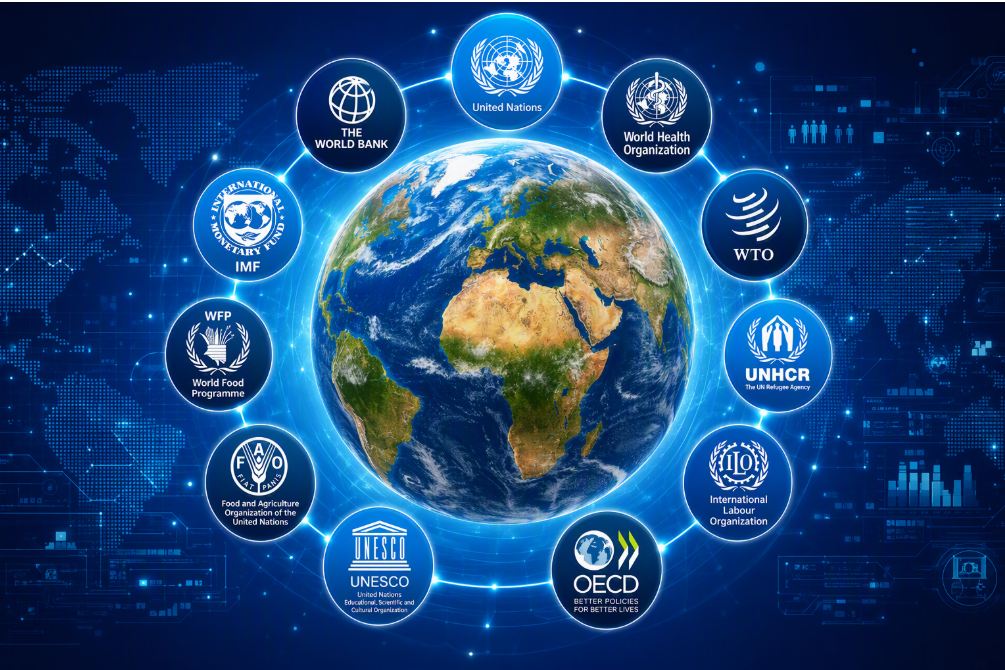
Major International Economic Institutions Relevant for Prelims
International economic institutions play a big role. The UPSC links them with development and speaks about how the world makes rules. It is good to know what these groups do, because they are in the news about the economy and current affairs. You will see them a lot in reports or when you read about new policy changes.
Keep these in your list:
- International Monetary Fund
- World Bank-related global economy references
- Sustainable development goals
- Millennium development goals
The exam can connect these institutions to the Economic Survey, development planning, or India’s growth story. You do not have to know everything about their history for prelims. It is important to know what their main work is, why they matter for development, and where they fit in when we talk about sustainable development and policy direction.
What are the most important economy topics expected for UPSC Prelims 2027?
The UPSC prelims syllabus covers some important areas. You will need to read about the basics of the Indian economy, inflation, monetary policy, fiscal policy, banking, the budget, taxation, balance of payments, and economic reforms.
To get ready for the UPSC prelims, use current affairs. This is good practice, because the UPSC likes to ask questions about concepts that are often linked to new policy updates.
Which sources should I follow to cover economy topics for UPSC Prelims?
Start by looking at the official UPSC prelims syllabus. Read NCERT books to get the basics of economics. After that, read one good economy book to help you know more. Next, read the Economic Survey and go through the summary of the Union Budget. You should also read RBI material and go to government websites. Get current affairs from a good teaching platform. Go back to these things again and again for practice and revision to do well in the UPSC prelims.
How do I revise key economy topics asked repeatedly in the UPSC prelims?
Keep your revision easy. Make short notes for the UPSC prelims syllabus. Try to group static concepts by themes. Read through micro-economy terms a few times. Add old questions and sectional tests in your practice. When you study for general studies, read a few main topics many times. This is better than looking through many different sources.
Understanding some main ideas in the indian economy is important when you are getting ready for the civil services examination. If you are planning to take the upsc prelims, you may want to know what ways are best to read the official upsc prelims syllabus, especially for topics about the economy.
It’s a good idea to read about things like monetary policy, fiscal deficit, and food security. You should also read about current events. Try to use many sources when you read about inclusive growth and revenue receipts. All of this will help anyone make their civil services prep better.
Conclusion
If you want to do well in the UPSC Prelims, it is important to know the main areas in economy for the 2027 exam. Take time to read about the syllabus and main ideas. Try to see what questions people ask most. This can help you plan your study time in a good way. When you have a good feel for the basics of economy, you feel more sure of yourself and can also get a better score. When you are getting ready for the UPSC Prelims, read these main topics more than once. This will help you get ready for what is coming up. Start your study now and take your first step toward reaching your UPSC goals.