Key Highlights
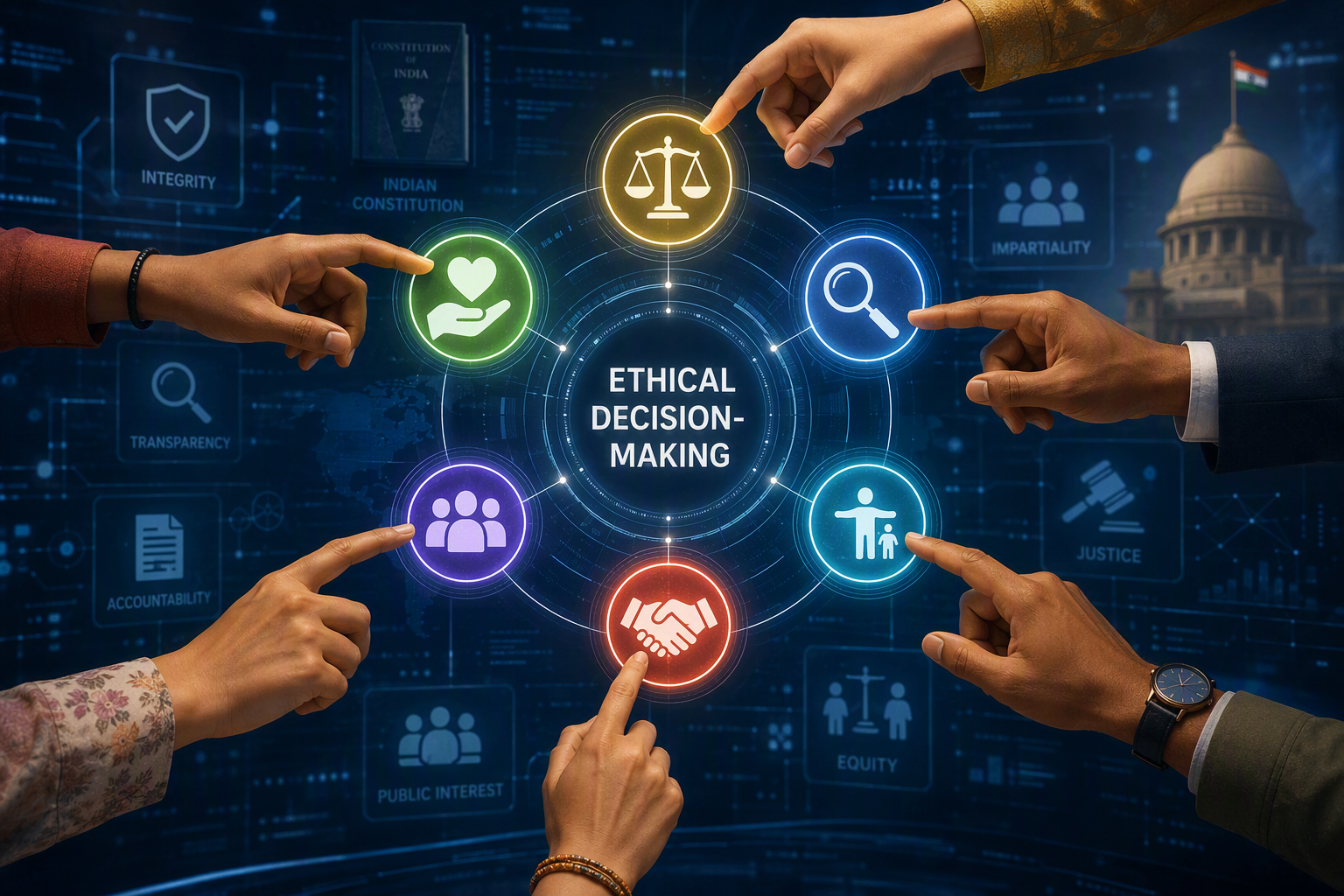
- The determinants of ethics help us see how people build ethical behavior day by day in civil services.
- Social influences, family, school, and the law help shape the ethical values and moral principles that we use.
- A person’s own values, empathy, and emotional intelligence also guide them when making choices in public service.
- Culture and religion play a big part in what a society thinks is right or wrong.
- A person might feel pressure because of a situation, and this can make them change what they do, even if they know ethical behavior is important.
- For UPSC, if you know about these things, you can write balanced answers and handle case studies in a better way.
Table of Contents
Introduction
UPSC preparation is not just about learning facts, current affairs, and policies. You also need to know ethics in a practical way. If you want to do well in civil services, you must be clear about why people do certain things and how people form moral judgments. This is where the determinants of ethics matter. They help you link the theory with real human actions, your duty as a public servant, and real-life situations. These often come up in case studies and questions for the UPSC exam.
Understanding Determinants of Ethics in UPSC
The determinants of ethics are things that shape how people and groups act in terms of what is right or wrong. In the UPSC context, the determinants of ethics help you get the real meaning of ethics and not just its definition. They help you see why different individuals do not always act the same way in the same moral situation.
In civil services, the main determinants of ethics are law, culture, religion, personal values, education, peer influence, family, economic conditions, and situational factors. These things shape how people act and make choices about what is right or wrong. In the next sections, we will talk about each point in a simple way to help you get ready for your exam.
Overview of Ethics in the UPSC Syllabus
In the UPSC syllabus, ethics is not just a theory. It connects with governance, public service, and how people in public jobs work. You have to understand ethical principles and ethical standards. You will also need to know how these work when people make choices in real situations.
The syllabus asks you to think about more than just the rules. A code of conduct gives clear steps to follow. But ethics is about asking if something is fair, kind, and right. This matters because some things that are legal may not feel good or right to the people the action affects. You see this idea a lot in case studies and your answers where you have to look deep into why something is done.
The main determinants of ethics in the UPSC syllabus are law, culture, religion, family, education, peer influence, personal values, economic conditions, and situational factors. When you know how each one affects your judgment, you can give better answers. This will also help you write well about public trust, moral responsibility, and ethical dilemmas with adequate knowledge.
Importance of Ethics for Civil Service Success
Ethics is important in civil services. Being in administration is not just about doing things well. You need to be fair, trustworthy, and responsible. A civil servant works with people, groups, and has only a limited amount of resources. So, ethical behavior is very important for good public service.
Knowing the essence of ethics helps you understand why people do things, not just remember words. It helps you when you see problems where what is legal, what you feel is right, and what happens at the end might not be the same. In UPSC, this is important for theory questions and case studies because you will need to use your moral reasoning.
There are some clear consequences of ethics in administration. When people work with ethics, it helps to build trust. It leads to better service for the general public and can make institutions stronger. But if someone makes an unethical choice, that can hurt their credibility and can also be bad for people.
If you want to write strong answers, you have to show that ethics is at the heart of governance. It is not just something extra. Ethics matters most to how things work and to the outcomes for all.
Social and Cultural Values as Determinants
The way people feel about right and wrong is shaped by social values and cultural values. Ethics is a set of standards that society places on itself. These ethical norms do not happen alone. They grow out of the habits, beliefs, and things that many people follow in daily life.
For the UPSC, you need to know that ethics come from the society around us. They are not just about what you feel or think. Moral values can come from the social environment. These values also point out what people expect from civil servants. The points below will show how these things work together.
Influence of Indian Social Norms on Ethical Decisions
Indian social norms shape how people see duty, respect, fairness, and responsibility. The rules and values that society places on itself guide what many feel is right and wrong. These social norms have a big effect on ethical decisions. They shape how people act in their own lives, and also what the public expects from them.
For civil servants, this is important. Society places trust in them to follow both the law and good moral standards. A choice might be right by the rules, but it can feel wrong if it does not fit with what people want or believe to be right. People will want them to think about more than just the law.
Aspirants need to see how social norms can shape ethical behavior in many ways:
- They shape what people in a community think is okay to do in public.
- They change how civil servants act when they need to be fair and kind.
- They help to set rules about honesty, respect, and who is responsible.
- They put pressure on people to choose between what they feel is right and what helps everyone.
Role of Cultural Traditions and Religion
Cultural traditions and religious beliefs have a big part in shaping ethical values. They help people learn about what is right and wrong from a young age. This happens through things like rituals, customs, and what is taught. The people in a group get to know what their community thinks is right, wrong, fair, or not fair.
These things have a strong effect because they link to both history and who people are. In many groups, cultural traditions set the ethical norms. Religious teachings also play a big part, as they give people moral principles that guide what to do. You can see in major faiths that religion gives clear steps for how to act and what duties to follow.
UPSC preparation needs balance. The way people see ethical decisions can change from one culture to another. So, you have to know the strength and limits of cultural influence. When working in public administration, you should make ethical decisions that respect diversity. These choices have to be fair, include everyone, and support the collective good.
Individual Factors Shaping Ethical Choices
The way you act when rules are not clear or there is a lot of pressure depends on several things in you. Your personal values, your own sense of right and wrong, how much you feel for others, and your life experiences all play a big part in the choices you make. Two people can look at the same problem and still not agree because of this.
That is why UPSC ethics looks at moral reasoning and emotional intelligence. These parts can shape what you think and feel. They do this in ways you may not always notice. In the next two parts, you will read how inner beliefs and self-awareness can help with ethical decisions. This is important for both aspirants and people who want to be future administrators.
Personal Values and Moral Reasoning
Personal values are at the heart of every ethical decision. They work like an inner compass when it is hard to find a clear answer. In civil services, this is important because many choices come up where rules do not always fix the problem. That is why personal values matter in UPSC ethics.
Moral reasoning helps you think about what to do in tough moments. It lets you compare duty, fairness, compassion, and what might happen before you act. A person with strong moral reasoning will not react without thought. Instead, they use ethical principles and try to pick the most responsible choice.
If you want to crack the UPSC exam, you need to write answers that are clear and fair. The way you view things is shaped by your personal values. How you see a problem comes from what matters to you. Then, you use moral reasoning to explain why you made a certain choice, and you lay it out in a simple order. In civil services, this helps you stay true to your values, judge things well, and feel a bigger duty to the public.
Emotional Intelligence in Ethical Decision-Making
Emotional intelligence is about knowing how you feel and how other people feel too. In ethics, this is important because human actions are not just about logic. Stress, fear, empathy, anger, and compassion all play a part when we make choices. These feelings can shape our judgment.
When you need to make ethical decisions, emotional intelligence helps you stop and think before you act. It helps you feel for others and control yourself better. This can be good in public life. Quick actions can hurt people, but staying calm and kind helps build trust. It also makes things feel more fair.
For people getting ready for the UPSC exam, emotional intelligence helps you make the right choices in tough situations. This makes your actions more fair and good. It gives you the power to handle your feelings well. Even when things feel hard, you can act right. This way, you are able to choose what is best when you work with others or face problems. Emotional intelligence lets you keep learning, so every day you get better at making good decisions.
- It helps you see the human side of a case. You do not look at it as just a rule to follow. It is not dry or empty.
- It helps with virtue ethics because it asks you to have patience, feel empathy, show restraint, and bring compassion when things get hard.
Family Upbringing and Its Impact on Ethics
Family upbringing is where most people first learn about ethical values. At home, children see what it means to be honest and show respect. They learn how to feel for others and understand what being responsible is. Before they learn about ethics at school, these early lessons shape their moral standards.
The role of family is even more important when life experiences test someone’s character. For UPSC aspirants, these early lessons shape how you feel about fairness and duty. The next parts will show how early learning and family guidance influence the way you think about what is right and wrong.
Early Life Experiences and Value Formation
Early life experiences play a big part in shaping values. If a child grows up seeing honesty, kindness, and discipline every day, they will likely pick up these habits, too. This is why ethics often starts before kids begin school.
Family guidance is very important in this. Parents and older people show us what things we should do and what we should not do. They say things like we should not lie, we should not cheat, and we should have respect. These are simple things, but over time, they help us build good and strong habits.
For people who want to take the civil service exam, life experiences are very important. A lot of the time, when there are tough moments, you go back to the values you learned early in your life. When your values are strong, you can stay calm and steady under pressure and with competition. It can also help you when you face tough choices about what is right or wrong. These life experiences help give your answers a real and honest feel.
Family Guidance and Ethical Dilemmas
Family guidance may not fix every ethical dilemma. But it gives you a starting point. When you learn to value truth, being fair, and caring for other people, you carry those lessons with you. So, when hard choices come up later in life, the things you learned still help guide you.
In many cases, personal values shaped by family help you see moral responsibility in your life. You might ask yourself questions like, Is this honest? Is it fair? Will this hurt someone? A lot of the time, these questions do not come from rules or big ideas. They come from the moral teaching you get early at home.
If you are getting ready for the UPSC, this is important for your studies and the job you want. In the government, ethical dilemmas are not always clear. Family advice can help you build inner discipline. Your own personal values give you strength when things get tough outside. These two work together to help you make good choices and do your job the right way.
Law, Public Administration, and Ethics
Law guides how people act by setting rules, duties, and groups that help do this. In public administration, the law gives a clear level that people must meet. It also helps keep good ethical standards in the work. The law works to protect the public trust by making sure officials answer for what they do.
Ethics is still more broad than law. Codes of ethics and set rules can help you know what to do. But, they do not give answers for every moral question you may have. For UPSC, you need to see how your legal duty works with your ethical judgment. The next parts will show you this link in a simple and useful way.
Legal Frameworks as Ethical Standards
Legal frameworks help shape how people live together. They set duties, powers, and clear limits. In government, these rules help support ethical standards. They make it clear what officials can and cannot do. This is key for keeping things fair and making sure leaders answer for their actions.
Law and ethics do not mean the same thing. Something can be legal, but it can still cause ethical issues. That is where codes of conduct come in. They help link what people must do by law to what is seen as being responsible. This is important in areas like honesty, being fair, and the right use of public money.
Here is a simple text table for revision:
| Area | Role in Ethics |
|---|---|
| Law | Provides formal rules and enforceable standards of conduct |
| Legal frameworks | Create accountability in public administration |
| Codes of conduct | Guide officials toward proper professional behavior |
| Ethical standards | Help judge whether an action is fair and responsible |
| Utilization of public funds | Demands honesty, restraint, and public-centered decision-making |
Ethics in Public Administration for UPSC
Ethics in public administration talks about how people use power to help others. It guides how they make choices about welfare, resources, being fair, and doing what is right. For UPSC, this is very important, as public administration does not just deal with papers or rules. It touches the real lives of people in the country.
Ethical principles show civil servants how to be honest, kind, and responsible. Codes of ethics help by giving them advice at work. These rules also tell them that their job is not just about skill. A big part of their work is to be fair, open, and to care about what is best for people.
When ethics is strong, the quality of service delivery gets better. People are more likely to trust those who run things if they act fair and do the right thing. If ethics is weak, even good working systems can lose trust. That is why the determinants of ethics matter a lot in public administration. They help us see how what we feel, groups we work in, and things around us change how someone acts in their job.
Education and Peer Influence
Education helps people see moral values in a clearer way. It gives you new ideas and thinking tools. Being at educational institutions helps you practice critical thinking. This can make your judgment better.
Peer groups also shape how we act each day. Friends, classmates, and people at work can help us do the right thing, or they can make us feel peer pressure. If you are a UPSC aspirant, what you learn and the people around you both matter a lot. In the next parts, you will see how these things can change your ethical behavior and choices.
Educational Exposure to Ethics Concepts
Learning in school helps people understand what is right and wrong. When students learn about ethics in an organized way, they do more than just follow their feelings or repeated actions. They start to think about their choices using clear thinking, fairness, and what is good for everyone.
Educational institutions help people see more in life. They let learners meet many new ideas, cultures, and ways of thinking. This helps grow critical thinking and shows why people can feel different about moral values. It also teaches the need to show respect for others, while still holding on to moral values.
For people who want to give UPSC exams, learning makes things clear in ethical study. It helps you see how ideas connect to real life, mainly when working on case studies and questions about running things well. You get to read about things like virtue ethics and other ways to look at right and wrong, and this makes your answers better. Even more, this gives you a steady way to think when you have to look at hard problems.
Peer Groups and Ethical Behavior
Peer groups can shape how people act and choose right from wrong. People change their behavior to fit in with the social environment. This can be good when friends help each other follow rules and stay focused. But, it can be bad if the group supports cutting corners or not being honest.
A known example is from Mahatma Gandhi. In his autobiography, he said that when he was young, peer pressure made him try smoking and lying. This tells us that even strong people, like him, can be affected by the people they spend time with.
For the people who want to clear the UPSC exam, what their friends do and say can have a big effect on them in many real-life ways.
- A good group of friends can help you build things like discipline, honesty, and having a goal.
- Negative peer pressure can make cheating, giving excuses, or not caring feel normal.
- A serious social environment can help you create strong moral habits and get better prepared.
Situational Factors Affecting Ethics
Situational factors can change how someone acts when it comes to ethics. A person may have strong values, but they can still do things in another way if they feel stress, fear, feel that there is not much time, or feel something deeply. This is why you have to look at the situation to really understand ethical issues.
For UPSC, it helps to use simple real-life examples. Moral situations often depend on the time, the risk, and what other duties a person has. The next sections will say how context can shape what people do. These parts also show how views can change in case studies and in public life.
Real-Life Examples from UPSC Case Studies
UPSC case studies ask you how to act when duties are in conflict. These cases show real moral situations. The problems are not always big or shocking. Many challenges come from simple, everyday moral situations. They happen when the law, time pressure, being kind, and doing your job compete with each other.
Here is an easy example from talks about ethics. A person jumps a traffic light while taking a drug that could save someone’s life. Breaking the rule is clear, but the situation can change what people think about it. This is why case studies need fair thinking.
If you practice with previous year papers or use UPSC mains Hindi resources, you will see that some types of case studies keep coming up again and again.
- There is often a choice between following the rule and showing compassion.
- At times, you need to pick between doing your duty and your personal relationships.
- You might feel torn between what is good for the public and the pressure that comes in that moment.
- Being honest can feel hard when there is group influence.
Time, Context, and Changing Ethical Perspectives
Ethical perspectives can change over time. What people feel is right or wrong often depends on the time and what is happening around them. A practice that was common before might not be accepted now. This shows that ethical perspectives grow as there are changes in society, politics, and the way people think.
One clear example of this is slavery. In ancient times, many people saw it as normal. Today, it is seen as a human rights violation. This change over the years shows that how people see things can shape what is right or wrong for them. It also tells us that when you study ethics, you have to keep history and society in mind.
If you want to do well in UPSC, this way of thinking helps a lot when you answer current affairs and ethics questions. You should ask yourself some things. What is the context here? What values are going against each other? How have people’s views changed as the years go by? These questions help you write better answers and not get stuck in black-and-white thinking when you look at what is right and wrong.
Essence and Consequences of Ethical Actions
The essence of ethics is about looking at human actions with fairness and care for others. It is not just about rules. It is also about how what we do can change people, groups, and life for everyone.
The results of ethics can be seen in trust, fairness, and how people feel about service. Good ethical conduct helps make public service strong. When someone does not act well, it can hurt many people and things. To know more about the consequences of ethics, it is good to see how they affect people and what happens when people do the right thing or the wrong thing.
The Human Interface: Understanding Ethics
The human interface in ethics is where what people value meets how they act. Ethics is not just about ideas you read in a book. It shows up in real life when people, like you and me, talk to each other, make choices, and handle needs, pressure, and what they feel is right or wrong.
In civil services, the human interface is always there. Officials talk to citizens, work with their colleagues, handle tasks with institutions, and help groups that need support. This is why it is important to know about ethics and think about things like empathy and fairness. We have to look at how decisions will affect real people. Ethical values should guide what people do every day in civil services.
For UPSC, the link between ethics and the human interface is clear. The test wants you to get how moral thinking affects what people do every day in administration. Good answers use that ethics is seen in the way someone makes choices, talks with others, and treats others. It is not just about knowing the meaning of ethical principles or big ideas.
Outcomes of Ethical vs Unethical Conduct
Ethical conduct leads to good things in both your personal life and the public world. It helps build trust. It brings more fairness and makes people feel that things are clear and right. You can see better stability where ethical conduct is strong. In administration, this behavior helps people and groups have better relationships with each other. When human actions are ethical, they help match what one person thinks is right with what is good for everyone.
Unethical behavior does the opposite. It makes people lose trust, hurts the general public, and leads to people losing confidence in big groups or places. Even if some people get something good from it for a short time, it brings problems that last for a long time. This is why the consequences of ethics are very important, especially when someone is in a public role.
You can remember the difference with just two easy points:
- Ethical conduct helps to build public trust. It also keeps things fair and leads to better and more responsible governance.
- Unethical behavior lowers trust. It can lead to poor choices and may also cause bad service and damage moral legitimacy.
Conclusion
In the end, knowing more about the determinants of ethics is very important for UPSC aspirants who want to do well in public administration. When you understand the social, cultural, and individual things that shape how people make choices, you can find your way through tough problems at work much better. It matters too how your family and your education help build your views on what is right or wrong. If you learn these ideas well, you not only understand more about the UPSC syllabus but also become a leader who can make good and right choices. If you want to go further with these important things about public administration or the determinants of ethics, feel free to get in touch for a free chat that will help guide your study.
What are key determinants of ethics according to UPSC?
According to UPSC ethics preparation, some main determinants of ethics are law, culture, religion, family, education, peer influence, personal values, economic conditions, and situational factors. All these things shape how people act with ethics. They help civil services aspirants know how ethical principles guide what you do in public life.
How do personal values affect UPSC aspirants’ ethical decisions?
Personal values guide how UPSC aspirants see right and wrong when things get tough. They shape the way people think about what is good or bad. These values also influence how someone makes ethical decisions and help them find a balance between their duty and being kind. In civil services, strong moral values make it easier for someone to make honest choices. This is true even when rules by themselves do not give all the answers.
Can you give examples of ethical dilemmas covered in UPSC syllabus?
Yes. You will often see ethical dilemmas in the UPSC syllabus in case studies. These show when rules and being kind do not match, when public duty and personal relationships are at odds, or when fast action brings up ethical issues. Simple cases of this are things like emergencies, pressure from your boss, and current affairs. These all make people think about what is right and ask for good judgment.