Key Highlights
- The civil disobedience movement began in 1930. It was started by Mahatma Gandhi to stand up to british rule.
- The dandi march was the first big action. It made salt a symbol of resistance for the people.
- The salt satyagraha saw mass participation. People from cities, small towns, villages, and those by the coast all joined in.
- This movement grew because many people were upset with politics, the country was going through hard times, and the constitutional reform did not work out.
- The civil disobedience movement stopped in 1931, started again in 1932, and was called off for the last time in April 1934.
- Even though it did not give india independence right away, the civil disobedience movement became a very big part of the indian independence movement.
Table of Contents
Introduction
The civil disobedience movement was a big step in the Indian independence movement. It started because people in India were unhappy with British rule. At that time, many people did not feel the tax system was fair. They also felt they did not have their civil liberties. The British would not make real changes in politics.
Gandhi knew how people felt and turned this anger into a peaceful protest. He showed that people can do a lot with nonviolence. A famous example was the salt protest. In the protest, people stopped paying some taxes and did not buy things made by the British. This got more people to join the freedom struggle.
If you want to find out when the civil disobedience movement started and ended, you need to see what reasons began the movement.
Background of the Civil Disobedience Movement in India
By the late 1920s, people in India started to feel tired of the british colonial rule. The government did make some promises about changing the constitution, but these were not clear. A lot of indian leaders saw that these small steps would not fix the main political problems in India. This made the indian national congress and its backers stand up and push harder for change.
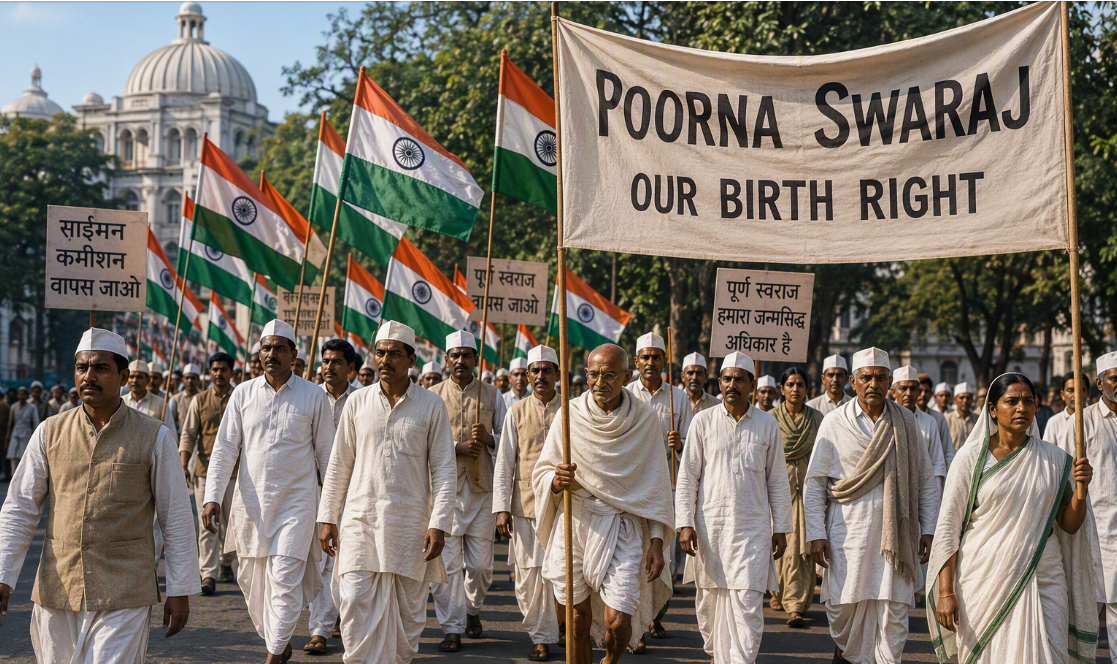
A big change took place at the Lahore Session. There, purna swaraj was made the main goal. This gave the freedom struggle a clear way forward. It helped people get ready to act. When you look at how people felt at that time, the protests before this, and how Congress got more support from the people, you can see why purna swaraj became the main goal.
Political climate before 1930
Before 1930, life in India was hard and things were not clear. The british government talked often about constitutional reform. But each time they did, people in India did not feel better. Instead, they saw that the british government made promises that were not real. People began to feel that this talk was just a way to put off any real change.
The Nehru Report of 1928 was made by Motilal Nehru. It called for dominion status and gave a simple plan for the constitution. Indian leaders wanted their report to be seen in a fair way, but that did not happen. Because of this, trust was lost. Lord Irwin spoke about reforms for the future, and while this sounded important, it did not bring the quick change that was needed.
Gandhi saw the people begin to feel different. Before this, he thought that the country was not ready for a big push from all the people together. But as the decade came to an end, he saw more people come together and feel angry. Changes that didn’t work, stronger love for the country, and people wanting to do something all mixed together at that time. This mix set everything up for the civil disobedience movement.
The civil disobedience movement grew from these feelings and actions.
Influence of previous movements on Civil Disobedience
The civil disobedience movement did not happen out of nowhere. It grew from what people learned in the freedom struggle. The non-cooperation movement showed that people like you and me could stand with Gandhi. They could act together to fight colonial rule in a non-violent way.
The memory of the jallianwala bagh massacre stayed with people for a long time. It showed everyone just how harsh british rule could get. After this, people started to trust the british even less. That memory gave people moral strength during later protests. It showed that standing up to british rule was needed, not just something people could do if they wanted.
The new movement was different from what came earlier. It did more than just ask people not to work together. It told people to break unfair laws on purpose, like the salt laws. This made the protest feel real and easier to understand for everyone. Salt became a symbol of resistance. Every home had salt, so this movement got more people involved and became a bigger part of daily life.
The rise of the Indian National Congress as a mass platform
Over the years, the indian national congress changed from being a small group of top leaders. It grew to be open for more people. This change was important. A campaign that covers the whole country needed more than just talks from a few people in power. It had to get people to come together, work for the same goals, and bring in mass participation from all.
Motilal Nehru gave Congress a simple and clear plan for the constitution. This showed Congress the way to move forward. Jawaharlal Nehru then led the Lahore Session. With his help, Congress asked for complete independence at that time. Gandhi was the one who brought together the parts of the nationalist movement. This also brought in the left group led by Subhas Chandra Bose.
Congress became strong. Now, the party could unite people from many places and many groups. It was not just for the people with a lot of education in the cities anymore. Congress became the main national platform in the country. A lot of people could join the fight against british colonial rule because of this group. This made it easier for all to stand together against colonial rule.
Causes of the Civil Disobedience Movement
Many things made India begin the civil disobedience movement. The british government did not give people what they needed when it came to politics. A lot of people felt bad because they did not get dominion status. There was even more anger as the changes the british government made did not go far enough. Indians were not allowed to help with big choices, and they also faced a lot of racial exclusion. These reasons brought about the civil disobedience movement.
At the same time, the salt tax and big money needs, along with many money issues, made colonial rule feel even more unfair for normal people. These problems were not just about rules or leaders. They were also about money and what is right or wrong. The next parts will show these reasons in a clearer way.
British government policies and Indian discontent
Many people in the movement felt angry because of what they saw and faced under colonial rule. Indians lived with laws that were made to help the British. These rules did not let the people have many choices. Their rights and their pride were taken from them. This is why speaking out was often a daily thing for many people.
The salt laws showed this well. The British kept a hold on salt, but it was something everyone needed. They put a big tax on it. People were upset when they saw British goods getting help. Local industry did not get any support. Because of all these things, the empire did not feel like a real government. It felt more like there to take from people.
People in the country were very worried about their civil liberties. When people got involved in politics, they were watched closely. Many were stopped or even picked up by the police. A lot of people felt that even when you do something peaceful, it could still be seen as dangerous by the ones in power. When unfair laws take away people’s rights, more and more feel angry. In India, this anger led to organized groups fighting back.
Impact of economic factors and rural crisis
Hard times with money helped the movement grow stronger. The Great Depression caused big money problems in India. Prices dropped, and it hurt peasants a lot. Many people living in villages already had many problems and a lot to carry. Even small money losses were tough for them.
This problem in the villages made people feel more angry about land revenue and the rules set by the colony. Farmers did not get much help. Even then, the state kept asking for payments from them. In many places, farmers’ incomes went down, so the British rules felt harsh and not in touch with real life.
The british monopoly in salt production made a lot of people feel upset. This was not just for the poor, but for the rich as well. Gandhi saw that the talk about salt could get people to stand together more than talks about rules or laws. When people made their own salt, this joined the fight for the country with daily life, like in the kitchen, the village, and the market. This fight turned people’s problems about money into a time where they all stood together for the country.
Role of the Simon Commission and its rejection
The Simon Commission made many people angry. It was set up to talk about India’s constitutional future, but it did not have any Indian as a member. People thought this was not fair. A lot of them felt the British did not respect Indian political skills.
Indian leaders from all sides did not agree with the commission. The group had only British members in it. This showed how people were left out during colonial rule. Their rejection was not just about how things were done. It showed there was anger from many people. Changes were made by others, not by Indian leaders or with their say.
People in India were still angry, even though there were talks about the government of india and separate electorates. These talks made the gap between what the British wanted and what the Indian people wanted even wider. Later, people talked more about how to run the country and about the government of india act. But by 1930, many saw that just sending petitions would not help anymore.
Mahatma Gandhi’s Leadership and Vision
Mahatma Gandhi led the civil disobedience movement. He gave it a voice, made it strong, and showed people the words to use. He said that if there are laws that are not fair, people have to stand up against them in the open. But he asked that this stand should be in peace. He wanted people to practice satyagraha and not use violence or fight.
That idea made the protests more clear and organized. Gandhi did not tell people to just feel upset with the empire. He showed them how to use that anger to start something big for the whole country. People saw symbols they could understand, goals they could reach, and a strong message that was about doing what is right. The way Gandhi thought, the things he wanted, and the way he gave a final warning all tell us how the movement started.
Gandhi’s philosophy of satyagraha and non-violence
Gandhi used satyagraha, which is about showing the power of truth through strong but peaceful protest. He believed that people could stand up to unfair treatment without hate. They could go against those in power without using violence like them. This idea was at the very heart of what they did during the campaign.
In practice, this was about nonviolent civil disobedience. People had to break unfair laws where everyone could see. They did not fight back or try to avoid punishment. This gave the movement strong moral ground. It also helped people join in collective action and follow the same code together.
Gandhi believed that how you do things matters as much as what you say. He wanted people to see that the British kept power with force, but Indians were using self-control to fight for their rights. Even making salt was a symbol of resistance. This movement got its strength from doing what is right, being brave, and the way people came together.
Formation of Gandhi’s 11 demands to the British
Before starting the plan, Gandhi gave the british government a list of 11 things that he wanted. He did not want to fight first. He asked for a calm way to fix things and showed that the movement wanted clear goals.
These demands spoke about money and issues with the government. For example, they asked to end the salt tax and to lower the land taxes people pay. They wanted to reduce how much the military spends. They also hoped that big officials would not get too much pay. They asked for Indian textiles to be protected. They wanted people to get some relief from strict rules.
Gandhi asked that people should have civil liberties. He also wanted political prisoners to be set free. He asked for the harsh systems to have less power.
This was important because it showed how colonial rule made life hard for people every day. Gandhi told the Viceroy that the things happening under colonial rule were not only wrong on paper, but also wrong in real life. When the government did not give a good answer, more people started to feel they should take part in an act of civil disobedience. This made the idea of civil disobedience grow stronger.
Response to Gandhi’s ultimatum and the call for action
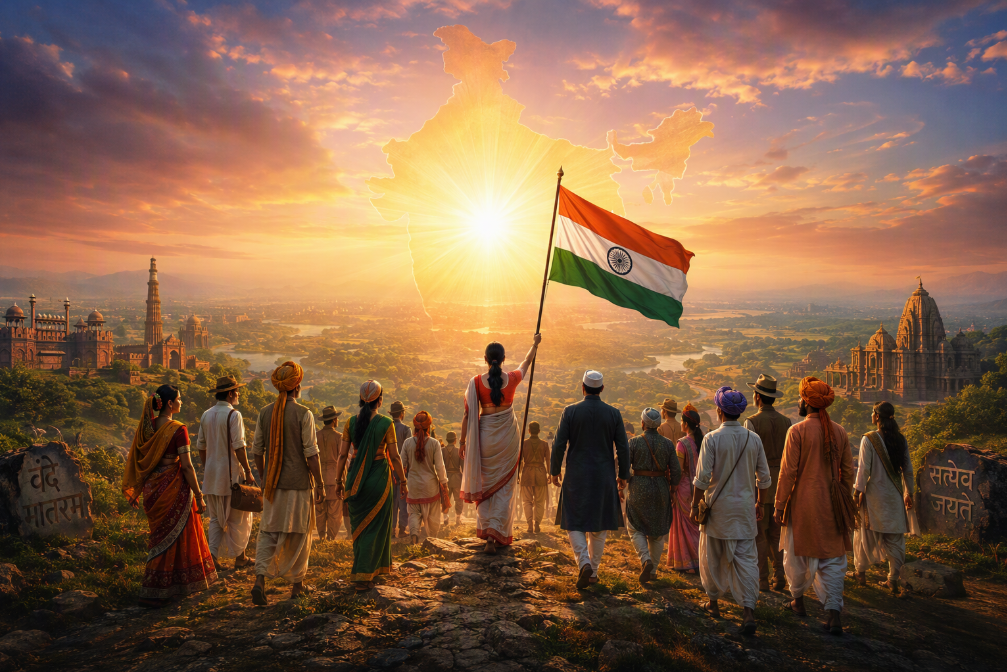
The Congress helped get the country ready for change in a political way. After the Lahore Session, people marked January 26, 1930, as independence day. On this day, many took a promise for purna swaraj. This step made the dream for purna swaraj feel real for all the people. It got everyone to care about it and do what they could for it.
Gandhi sent his ultimatum to the Viceroy on January 31, 1930. He wanted everyone to know that if the demands were not met, the country would turn to direct action. When the British did not give a real answer, many people in India saw what they already thought. The British would not give justice unless people stood up and there was public resistance.
So, the next step was chosen with care. Gandhi saw that the first act of civil disobedience should focus on salt. This was an easy and fair choice. Everyone in the country could understand it. That act of civil disobedience changed political anger into a clear call. It asked all people of the country to stand up together but not use force.
Beginning of the Civil Disobedience Movement
The launch of the civil disobedience movement began when Gandhi decided to put the salt issue in the main spot. He made plans for this protest while at the Sabarmati Ashram. This protest was strong for people near the ashram, but it also became important in all parts of the country. People everywhere felt it was meaningful and close to them.
The first step in this was the salt satyagraha. People made a plan to start. They walked together as a group. After some time, more places joined in. This made the movement strong and helped more people see it.
Planning and announcement in early 1930
In early 1930, Gandhi began to turn Congress power into real work. He was at Sabarmati Ashram and helped people get ready for a fight against the British government. The main issue was still up in the air, but what he wanted to do was clear.
He wanted the protest to match the main goal of the movement. The aim was to stand up to unfair rule and let common people join politics. Salt was the right thing for this because it touched every home. Salt also played a big part in money matters. Using salt, people could start a mass movement. They would not need advanced groups to get started.
Gandhi told the Viceroy he would break the Salt Law. He did not keep it a secret. He gave everyone a clear warning about what he would do. He wanted people to see this as a moral test. When the government did not agree, he announced the salt satyagraha. This showed the nation where to start standing up to the government.
Launching the Salt Satyagraha on 12th March 1930
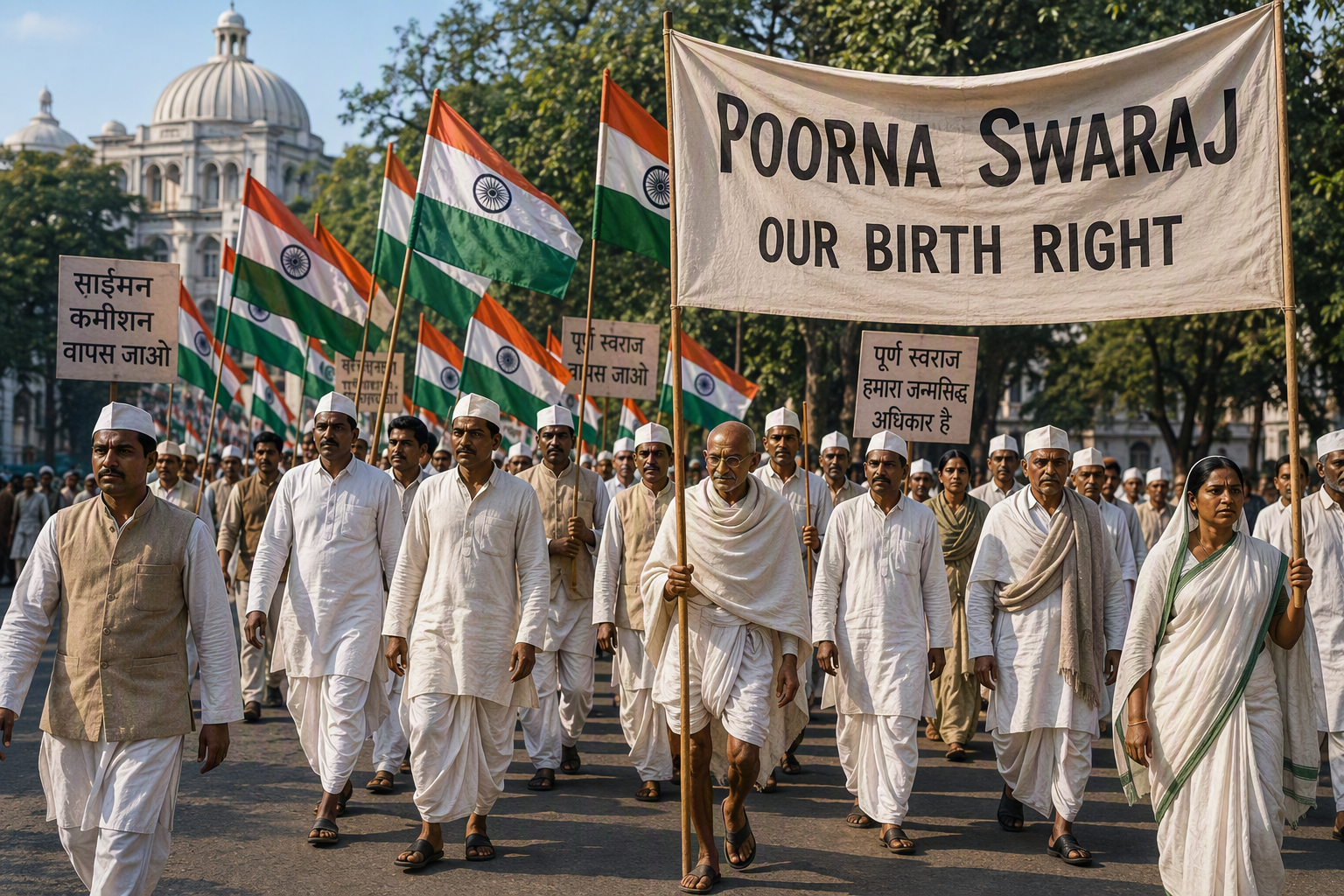
On 12th March 1930, mahatma gandhi started the salt satyagraha with 78 people. They left sabarmati ashram and set out on the salt march to Dandi. Dandi is on the gujarat coast. The journey was about 240 miles long. It took several weeks for them to finish this.
This was more than just a walk. Every time they moved, the salt laws got more attention in the country. Villagers came out to take part. Supporters also joined with them. People across the nation watched the march. Gandhi turned this protest about the salt laws into a bigger fight against british rule.
The march was the start of the movement, and it was strong. It was clear and easy for people to see what it stood for. You did not need to know about laws or politics to get what was going on. A small thing that people use every day was now used to stand up to the people who were in charge from outside the country.
The symbolic march to Dandi and its national reaction
When Gandhi reached Dandi on April 6, 1930, he broke the Salt Law. He did this by taking some salt that came from the ground, made through natural evaporation. That small act made the dandi march important in history. It shows that a calm action can still face big power.
The reaction was quick. People in India started to make salt on their own. Many others bought illegal salt and took part in protests nearby. In coastal areas, salt production became a way for people to go against the british monopoly. In some other places, people said no by not buying british goods, standing outside shops, and not paying the revenue.
This was the time when the salt satyagraha stood as a big symbol of resistance for the whole country. People from different places came together and joined the movement. It was easy to know what it was about, and anyone could do it. Because of this, millions got to take part in their own way. That is why the salt satyagraha was truly the start of a movement that spread out to everyone.
Spread and Major Events of the Movement (1930–1932)
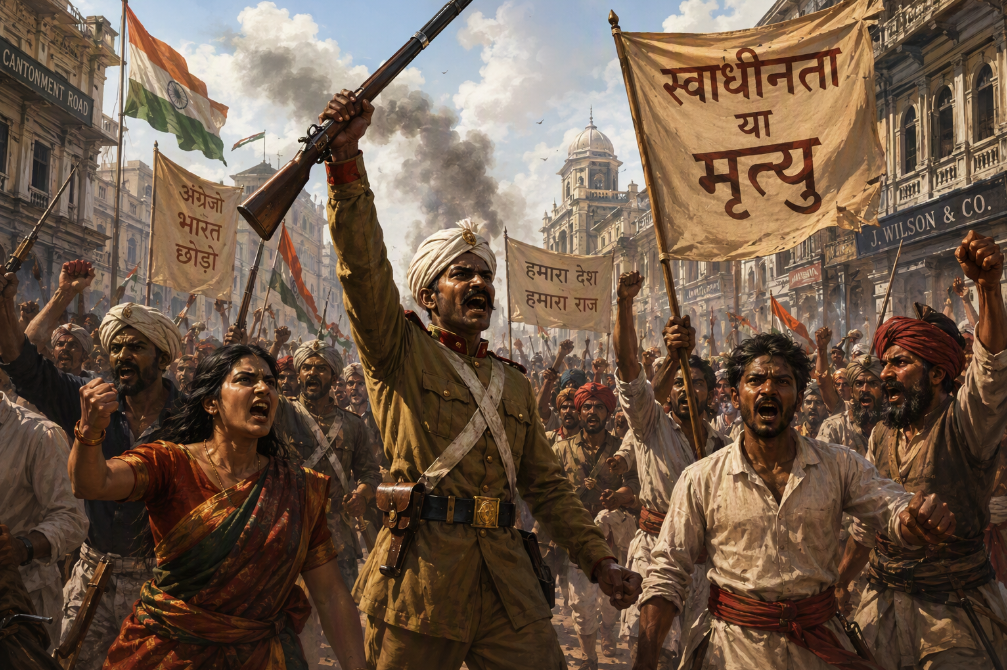
After what happened at Dandi, the movement started to grow fast across India. It was not just about salt anymore. People now wanted more. They joined boycotts and stopped paying taxes. They broke forest laws and met in public places. The fight moved into both villages and urban areas, so more people got involved. This let people from cities join the movement too.
The British used harsh methods and mass arrests to stop the protests. But the protests did not end right away. To see how big this campaign was, you have to look at the local protests, how people joined, and what the state did to stop them. All these things came together during this time.
Regional expansion and local protests across India
One great thing about the movement was how it went to new places. The movement began in Gujarat. Soon, it could be seen in many other parts of the country. Each place changed the campaign to work for their own people. This made the movement easy to change, so the movement could reach more people.
In coastal regions, the salt protests were the main focus. In other places, people joined in other local protests. Some did not pay taxes. Others broke forest rules or protested in front of liquor shops and shops that sold foreign cloth. In urban areas, there were many student strikes and marches. Villages took part by refusing to pay revenue. They came together to stand up against the government.
The problems in villages led people to do something. Many people living in farming areas did not have much money. Their lives were hard. They joined the group because the group spoke about the things they feel every day. This mix of local problems and a bigger dream helped the campaign grow beyond just one place. It spread all over the country.
Participation of women, students, and communities
The movement was special. So many people came together for it. It was not only one small group in the government. There were women in it. There were students too. People who farm joined in as well. Traders and workers took part. This mass participation made the fight stronger. It got people from many areas of society to join.
Women were easy to see in this movement. Leaders like Sarojini Naidu took charge when Gandhi got taken by the police. A lot of women went out and joined the marches. They helped with picketing and spoke out in salt protests. This brought a big change. It made new voices heard in politics. It also broke old barriers that were in society.
Students stopped going to schools and colleges. Many people in different groups helped with the boycott campaigns and protests. The value of this collective action is really big. It showed the freedom struggle was for all Indian people. It was not only to help the top leaders or city folks. It was for people from every place and background.
British repression and mass arrests
As more people started to join the movement, the colonial government used force. The British wanted to stop it, so they arrested many people. There was a lot of police violence. They made strict rules for the press. They also made new emergency laws. All these moves were to try and break the groups leading the fight. At first, the government did not give the campaign much thought. But later, they took strong action against it.
Mass arrests were a big part of this time. Gandhi was put in jail in May 1930. A lot of other leaders and volunteers were also arrested. There are reports that say tens of thousands of people went to jail in just a few months. This made more political prisoners. It also showed that the state felt very threatened by what was going on.
This crackdown was a big problem. The loss of leaders and broken plans made it hard for people to keep up the protest. Still, it showed the force used by those in colonial rule. Many saw peaceful protesters being hurt or taken away. This made people feel more for the movement, even when they found it tough to join in.
Key Phases and Turning Points (1930–1934)
The movement did not move in a straight line from 1930 to 1934. There were many phases during this time. At one part, things stopped and then there were talks. Later, things got moving again, but it stopped for good after some time. Each of these was a turning point in the way the fight grew.
Talks with the British, the round table, and new rules made by them all helped shape the campaign. The plan also got changed later. These changes helped the movement to grow and change with time. The steps below show how the round table conference and other big moments helped move and change the movement before it finished.
First suspension after Gandhi-Irwin Pact
The first main turning point came with the Gandhi-Irwin Pact in March 1931. At this time, the British did not have the power to stop the campaign all the way. So, talks had to take place. Gandhi was freed, and Congress agreed to stop the movement for a while.
Under this deal, political prisoners who did not have violent charges would go free. People living by the coast could also make salt for themselves. In return, Congress said they would join more talks about new laws. This gave the movement a small break. After this, the focus changed from street protests to sitting down for talks.
The pact was a turning point. It showed that a mass movement could make the British speak with people and work out deals. The civil disobedience campaign became part of the larger talk about rules for the country. This also led to the first round table conference. It was part of bigger talks later about India’s political future.
Revival and intensified agitation
The pause did not last for long. Gandhi went to London in 1931. He was the only Congress leader at the second round table conference. The round table talks did not give Congress what they wanted. When he came back, the fight started again.
Gandhi was arrested again in January 1932. The movement started once more, but it was harder this time. The government made things strict. They stopped much news from getting out and arrested many people. Because of this, Congress could not bring back the high spirit from 1930. But people in many places still fought back.
Leaders like Subhas Chandra Bose were still very important in the big nationalist movement, even when times were hard. This was a time under colonial rule, and there was a lot of pressure on people. It was not easy to talk openly or keep civil liberties safe. Still, these challenges got people ready for big steps later on, like the quit india movement.
Final withdrawal and end in April 1934
By 1933, the civil disobedience movement was not as strong as before. Many members got arrested. The group had more rules to follow. The people did not support the movement as much. Gandhi then stopped big group actions for a while. He asked single people to do small civil disobedience acts. This new way showed how hard it can be to keep a big civil disobedience movement going when there is so much trouble.
The civil disobedience movement ended in April 1934. At that time, the leaders stopped the last action. Many people thought there would be a result after the negotiation and the second round table talks. But those hopes did not happen. British India was still controlled by the British. Because of this, Congress had to think again about what to do next.
The Salt March began on March 12, 1930. A big public event happened at Dandi on April 6, 1930. The movement came to an end in April 1934. Even after it was over, the salt march kept its value in politics.
Outcomes and Impact of the Civil Disobedience Movement
The movement did not give freedom at once, but it changed politics in the country. The british government had to sit down with leaders and talk because of it. More people started to back purna swaraj. The call for self-rule became something no one could ignore. The freedom struggle was not just for rich or powerful people. Now, ordinary people got their chance to join in the national action.
Here is a simple text table showing key outcomes:
| Area | Impact |
|---|---|
| National politics | Congress emerged stronger as a mass platform |
| British response | Negotiation through pact and conference became necessary |
| Public role | Peasants, women, students, and traders entered active politics |
| Constitutional effect | Later debates fed into reform discussions and the government of india act |
| Long-term result | The movement strengthened the road toward india’s independence |
Effects on British policies and governance
It was clear that british rule could not keep ignoring what the people in India wanted. The movement was so strong that the british had to change the way they did things. Even though the british did not really change what they wanted at the end, they still had to act different. The british tried to stop the protests at some times and tried to talk at other times. Since so many people stood up against them, the old way just was not going to work.
The round table conference was a step in this answer. These talks did not give Congress what it wanted. But, the talks proved the British had to deal with India’s future soon. The empire had to talk in a clear way about power and rule.
Over time, civil disobedience put new pressure on the government of india. It also pushed talks about the government of india act. The civil disobedience movement did not control all these changes. Still, it helped shape when and why changes came. Because of this, civil disobedience changed the way the government of india was run. It made the colonial authority feel less safe and more open to new ideas. The call for constitutional reform also grew stronger because of this movement.
Influence on India’s road to independence
The civil disobedience movement gave the fight for freedom a wider reach among people. It made it clear that complete independence was not just talk at a Congress meeting. It was something the people could come together for. You saw this in towns, villages, and markets, where many came out to act on this big idea of civil disobedience and complete independence.
Mass participation was key for that change. The freedom struggle became stronger when people from different backgrounds joined in. After the main campaign, people did not forget what they learned there. Many who were part of 1930 used their experience to help in other parts of the freedom struggle.
You can see how civil disobedience changed the path to quit india. Even though quit india took place at a different time, it got much of its ideas, messages, and moves from civil disobedience. This way, the campaign turned saying no and fighting back into something that has lasted with people in the country for years.
Limitations, challenges faced, and lessons learned
The movement was strong. A lot of people were a part of it. But there were things that held it back from being even better. Not all groups or places took part in the same way. Some groups had their own problems. They did not feel the Congress spoke for them.
Mass arrests made it hard for the movement to be strong. A lot of leaders were arrested when they were needed. The British also made it hard for people to talk and make plans. The movement wanted to use nonviolence, but there was some violence in a few places. This violence brought more problems and made the message less clear.
There were some big lessons to take from this. The campaign showed the power of people joining and using collective action. This can make the government feel nervous, and all this can happen without any fighting. It showed that when something in life means a lot, many people can come together to stand for a cause. Congress saw that to work with so many people in politics, you need time, you have to bring in everyone, and you must be ready to face hard times from the state for a long while.
Conclusion
To sum up, the civil disobedience movement was an important time in India’s fight to be free. It showed the people had a strong will, and that they really followed Mahatma Gandhi. He led everyone with his idea of non-violence during the civil disobedience movement. This went on from 1930 to 1934. A lot of people got involved, and their actions showed they did not like British rule. The movement helped change some rules and made it easier for new steps towards freedom to happen in the country. When we learn more about this part of history, we know what people gave up so India could be free. If you want to know more about the civil disobedience movement, Mahatma Gandhi, or if you have any questions, feel free to ask!
Frequently Asked Questions
When did the Civil Disobedience Movement start and end?
The civil disobedience movement began with the salt march on March 12, 1930. The dandi march and the salt satyagraha at Dandi on April 6, 1930, made this a big thing all over the country. The civil disobedience movement went on until April 1934. It ended then, but by that time, the civil disobedience movement had already helped a lot to move the country closer to independence.
How was the Civil Disobedience Movement different from the Non-Cooperation Movement?
The civil disobedience movement did more than the non-cooperation movement. People did not just stop helping the british rule. They broke unfair laws on purpose, like the Salt Law. The civil disobedience movement saw many people from all over India join in—people from the villages and the cities. People worked together and took action against the british rule. This led to mass participation and collective action. It was a big and strong way for people to stand up to the colonial leaders.
Who were the important leaders involved besides Gandhi?
Besides Gandhi, there were other key people at this time. Jawaharlal Nehru led the Lahore Session. Motilal Nehru worked on the plans for the constitution. After Gandhi was taken away by the police, sarojini naidu stepped in to lead some actions. subhas chandra bose also became a strong voice for the country. tej bahadur sapru joined the wider talks about the rules for the nation during this time.