Key Highlights
- Indian secularism gives equal respect to different religions. This means a lot in a country with so much religious diversity.
- Western secularism often works to keep religion and the state apart.
- The Constitution of India has a model of secularism that fits a place where you have many religions.
- In India, the state can look into religious matters by using public policies and making changes.
- In most western places, religious institutions do not get involved in state actions. They come in only when a law is at stake.
- This difference matters. Both indian secularism and western secularism want religious freedom. But, they choose different ways to reach it.
Table of Contents
Introduction
If you want to get ready for the UPSC, you need to understand how a secular nation can work in different ways. The indian model of secularism and the western model of secularism both try to keep religious freedom safe. But, these two models do not work the same way. The indian model of secularism comes from India’s own story and its social background. The western model is shaped by a different past. In india, religious beliefs are part of public life in many ways. In the West, the state and religion are mostly kept apart from each other. When you know more about each model of secularism, you can understand the Constitution, our rules, and the important debates in indian polity. So, it is good to know the indian model, the western model, and how each one looks at religious freedom in a secular nation.
Understanding Secularism in the Indian and Western Contexts
The concept of secularism is not always the same everywhere. In the western model, there is a strict separation of church and the state. This means that the church and public leaders do not mix. Because of this, religion is often seen as something people practice only in their private lives.
In the indian model, the state and religion are not far from each other. The state works with many religious communities. India is known for religious pluralism, and it tries to keep things steady for all. The state does not go away. It stays balanced with every group. It treats all groups the same. The state steps in only if there is a need.
Defining Secularism: Principles and Core Ideas
The principle of secularism means the state does not pick any particular religion as its favorite. The concept of secularism is to make things fair for everyone. It is about freedom and about letting people with different beliefs live together in peace. It also helps people who do not follow any religion.
Secularism lets people practice and share their own beliefs. They do not have to worry about unfair treatment. The state also needs to treat all people the same way in religious matters. Religious freedom is a big part of this idea.
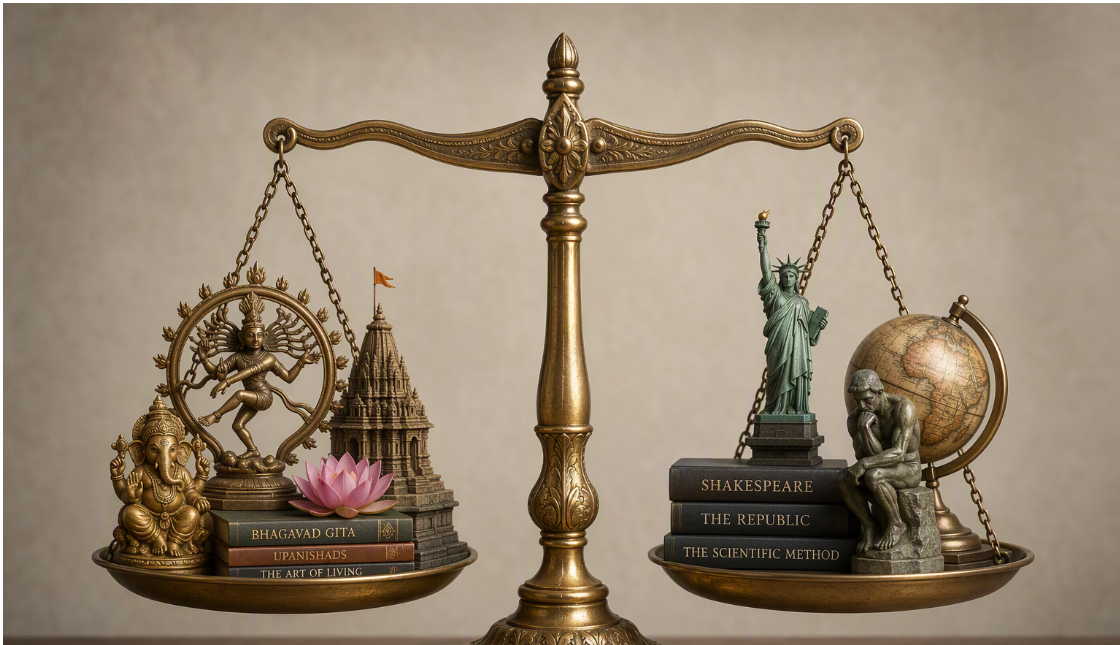
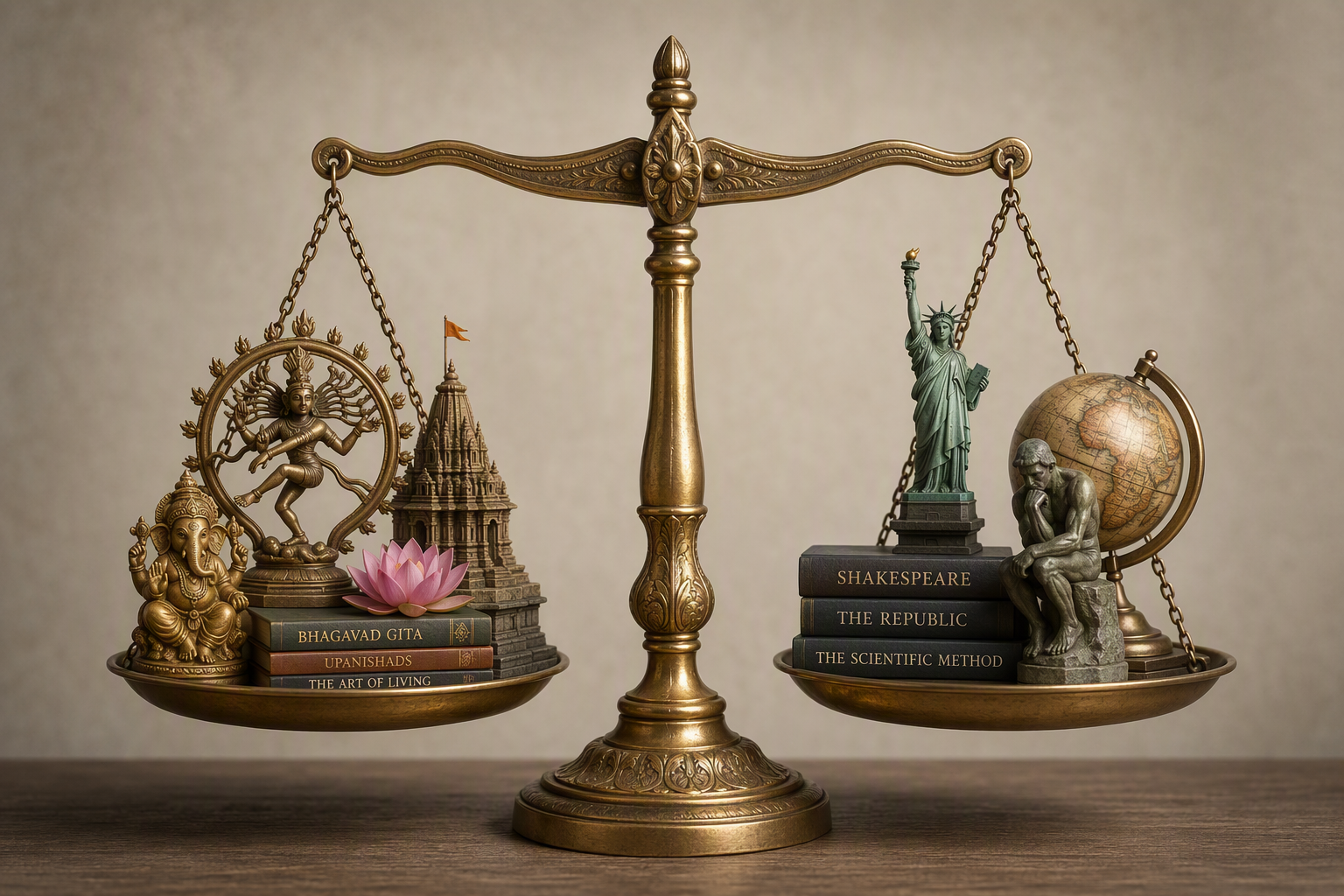
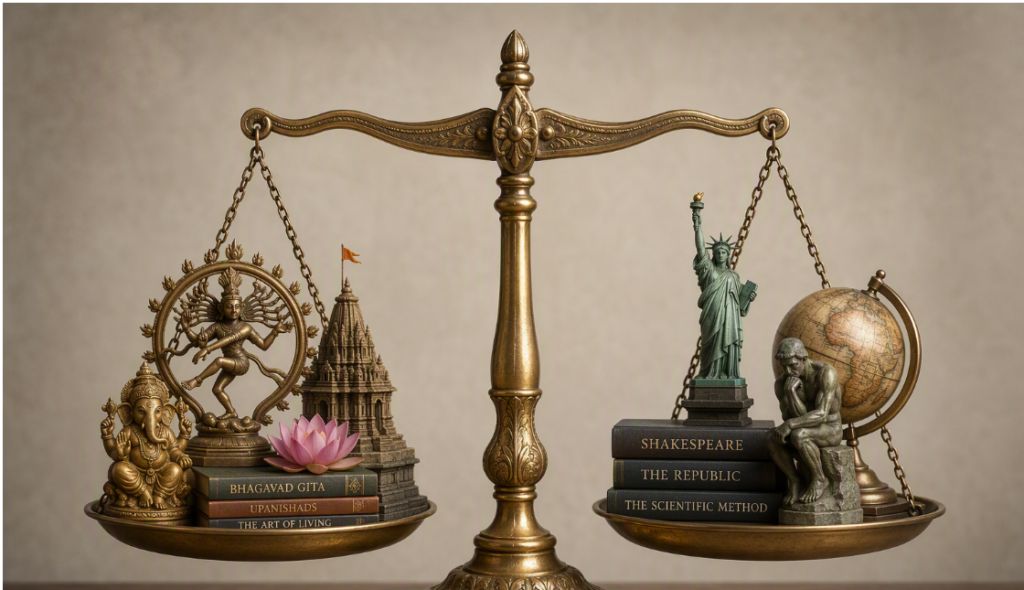
Here is the main difference. In western countries, secularism means the separation of state and religion. In India, secularism is about equal respect for all faiths. The state can step in to solve problems or to keep balance between the communities.
The Indian Approach to Secularism
The Indian model of secularism started in a country where you see a lot of religious diversity. This model does not ask for a strong line between the state and religion. In the Indian model, religion is allowed to be part of public life. The state may step in when needed, but it has to follow the law when dealing with religious affairs.
A good way to understand this idea is by using the term sarva dharma sambhava. This means you should give the same respect to all religions. The constitution of india does this by not picking any state religion. It keeps all faiths safe and gives them the same respect.
- The state can act to stop bad things that are linked to religion.
- Different groups can have their own personal laws about some things.
- Smaller groups can start their own educational institutions. They can also get help.
The Indian way does not go against religion. It is a way that brings together fairness, change, and living with each other.
The Western Model of Secularism
The western model of secularism is based on keeping the state and religion apart. In this model of secularism, the state does not try to support or control faith or secularism life. The state may step in only when there is some legal problem. Laws are made without using any religious reasons in the western model of secularism.
People often keep religion more in their private lives because of this way of thinking. Questions about religious symbols in public spaces show how society feels about this. In some places in the West, there are many rules for how people can wear or show their religion in public. For example, people talk a lot about french secularism and if people should be allowed to wear or display religious symbols openly.
The idea of being neutral is different in India and the western countries. In the western countries, people think being neutral means not getting involved or staying away. But in India, being neutral mostly means treating everyone the same. The state and religion do mix together, but the way to handle it is to be good to all groups. Because of this, in the western countries, you see the state and religion staying more apart from each other.
Historical Roots of Secularism: India vs the West
To really know about these models, you need to look at their historical context. In the West, the separation of religion started after many problems between the church and the state. These events made people not want to mix religion with politics.
India’s way has been different from the start. People in India lived in many religious communities. They followed many different religious practices. Over time, their religious beliefs mixed with each other. People had to learn to live together. They did not put all their effort into keeping others out. They worked more on getting along with people. This history leads to the next point of comparison.
Evolution of Secularism in India
Secularism in Indian society did not come from one event. It happened over time in a historical context. There were many faiths, castes, and groups that had to live next to each other. Religion was a big part of life and cultural practices. Because of this, the state saw that it could not ignore religion.
This is why Indian secularism is linked to the need for social harmony. It is also there to keep religious minorities safe. Indian secularism tries to make sure that one group does not get too much power over another. It also wants to stop any unfair things that happen inside each group.
This brings some good things and some problems too. The model needs to keep equality, freedom, change, and what is important for people in a group all at the same time. Talks about personal laws, ways to protect small groups, and what the state does in places for faith show us how indian secularism is having hard times now.
Shaping Factors of Western Secularism
Western secularism started because of a different past. One main reason was that people did not want the church to have too much power over the government. This led to the separation of church and state. It also helped make sure religious institutions have less control over how the government runs.
Its philosophical foundations are about each person having the right to choose what they want to believe. There was a push to be free from state religion and to stop the government from making people follow a certain faith. In the past, state religion was strong in many places. Secularism became a way to keep those in power and lawmakers from being under the control of religion. This helped make sure that making laws would not be mixed with religious rules.
| Shaping factor | Effect on western secularism |
|---|---|
| Conflict between church and rulers | Encouraged clearer boundaries between religion and political power |
| Presence of state religion in parts of Europe | Led to demand for neutral public authority |
| Stress on individual freedom | Strengthened protection of personal belief and non-belief |
| Limited role for religious institutions | Reduced direct state support for organized religion |
The Role of the Constitution and State Policies
The Constitution of India helps shape Indian secularism. It does not say that there should be an official religion for the country. The rights of citizens to follow, practice, and manage their faith are kept safe by the constitution, but these rights must follow the rules given there. This is why Indian secularism is an important part of the country’s democratic way of life.
In India, there are public policies that look at religious diversity. The state can step in and control some religious activities. It can also help institutions for minorities. The state may get involved to make some changes. To understand this better, you can look at what the constitution says and what the state does.
Indian Constitution’s Perspective on Religion and Secularism
The indian constitution says that everyone should be given equal citizenship. Secularism in the indian constitution does not mean being against religion. It gives people religious freedom through its fundamental rights. People have the right to follow, practice, and look after their religion. But they need to do this within the law, with good morals, and in a way that keeps the public order safe.
It understands that in India, people cannot always leave religion out of daily life. So, the state intervention is sometimes needed. This can happen when there are problems to do with inequality. It can also be used to control groups or take out bad things linked with religion.
Another key idea in the Constitution is that it lets different groups have their own specific personal laws. This means there is not only one rule for everyone. The Constitution has ideas of freedom, change, and looking after minority groups. For UPSC, you need to know this when you read about how indian secularism works with personal laws.
State and Religion Relationship: Comparing India and the West
The link between the state and religion is not the same everywhere. Many western countries want the separation of state to be clear. People who work in public jobs often stay away from religious institutions. They often only go near them if there is some legal issue.
India likes to be flexible. The state can step in when it needs to. This can be to bring change, make things fair, or to keep order. Sometimes, the state works with people in new ways. It is not as strict as many Western systems.
- India does not have an official religion, but the state can be part of things that deal with faith.
- In western secularism, religious institutions get much less financial help.
- In India, minority educational institutions can get help from the state.
- Western secularism wants religion to stay private, but India lets people be part of religion in public more often.
Conclusion
To sum up, when you know the small differences between indian secularism and western secularism, you can see how these two ideas shape daily life and how each country is run. Both try to keep religion and government apart. But they do not come from the same history and they do not work in the same way. In india, secularism lets many religious practices be a part of the main rules. Western secularism, on the other hand, mostly keeps religion and government very far apart. When you see these differences, you can better understand how secularism changes things for people in each place. If you want to know more or if you have questions about indian secularism, western secularism, or religious practices, feel free to ask!
What is one key difference between Western secularism and Indian secularism?
One main difference is the way the state and religion connect. Western secularism is about keeping religion and the state apart. In indian secularism, there is equal respect for all religions. This comes from india’s long history of religious diversity. Because of this, there is more contact between the state and religion in india than in most places that follow western secularism.
How does India’s concept of neutrality differ from Western secularism?
The Indian model of secularism does not always mean staying fully away from religion. In this model of secularism, the main idea is to give fair treatment to all religious communities in the country. Because of this, state intervention in religious matters can happen sometimes in the Indian model. Many Western countries feel strict neutrality is better. They stay more away from religious acts. But this is not always how it is in India.
What are some real-world examples of secularism in practice in India?
Examples of Indian secularism show how the country handles people from different faiths. Some groups have personal laws for their community. The state gives support to minority educational institutions. When a religious practice is harmful, there is legal action against it. The Supreme Court has checked cases about religious symbols. It also tries to keep a balance between religious freedom and the values in the constitution.